2025 Crypto and Blockchain Trends: Airdrops, Exchanges, and Regulations
When looking at the crypto airdrops, free token distributions designed to grow user bases and reward early adopters. Also known as crypto giveaways, they became a major driver of participation in 2025, especially around DeFi platforms and new blockchain ecosystems. In October 2025, users saw a wave of targeted airdrops—like Anypad’s APAD bot drop and LaunchZone’s LZ Farm NFT rewards—that rewarded specific actions, not just wallet holds. These weren’t random giveaways; they were carefully designed to attract traders who actually used the platforms. Meanwhile, other airdrops, like Bit2Me’s B2M and Mettalex’s MTLX, had already played out earlier in the year, leaving behind clear patterns: those who followed community rules got tokens, while passive holders often got nothing.
At the same time, crypto exchanges, platforms where users buy, sell, and trade digital assets. Also known as crypto trading platforms, they faced intense scrutiny in 2025 as regulators cracked down and user trust eroded. GCOX vanished without a trace, Almeedex raised red flags, and MorCrypto struggled to prove its security. Even Upbit Indonesia, once seen as a regional contender, had to defend its fees and support against bigger rivals. Meanwhile, Sologenic DEX and Coinmetro offered clearer paths for traders looking for licensed, transparent options. The message was simple: if an exchange didn’t have real volume, clear rules, or verified security, it was dead or dying.
blockchain regulations, government rules that define how digital assets can be used, taxed, or restricted. Also known as crypto laws, they varied wildly by country in 2025. Nepal started seizing crypto assets under its criminal code. Cyprus tightened banking rules for crypto firms. Australia introduced strict licensing for platforms handling user funds. And in China, $86 billion in underground trading kept going—despite the ban. These weren’t theoretical debates; they were real rules that could mean losing your coins or facing legal trouble. If you held crypto in 2025, knowing your local laws wasn’t optional—it was survival.
Behind the scenes, DeFi and NFTs kept evolving. Cross-chain NFT marketplaces made it easier to trade tokens across blockchains. Silver-backed stablecoins like XAGX offered a new kind of stability. And consensus mechanisms were quietly shifting toward hybrid models that combined Proof-of-Stake with zero-knowledge proofs to cut energy use and boost speed. None of this mattered if you didn’t know where to look—or who to trust.
This archive pulls together the real stories from October 2025: the airdrops that paid off, the exchanges that collapsed, the laws that changed everything, and the tech that kept moving forward. No fluff. No hype. Just what happened, who got hurt, who won, and what you need to know before you act next.
Play-to-earn gaming lets players earn real cryptocurrency by playing blockchain-based games. Learn how tokenomics, NFTs, and player economies create income - and who’s actually making money from it.
Read More
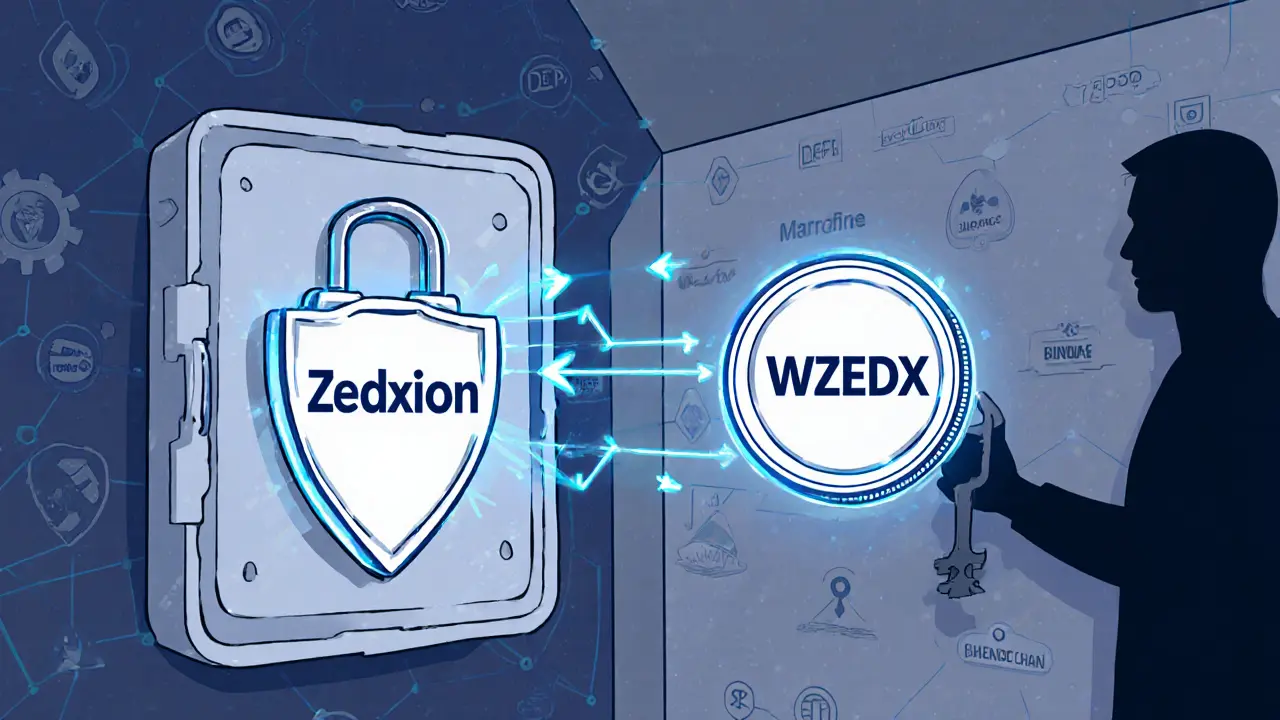
Wrapped Zedxion (WZEDX) lets Zedxion be used on Ethereum and BSC, but its price is inconsistent, supply is centralized, and there's no audit. Learn what it really is - and why it's risky to hold.
Read More
Mettalex ran three MTLX airdrops in 2021 targeting FET holders on Binance, CoinMarketCap users, and community members. Learn how they worked, who qualified, and why they mattered for DeFi commodities trading.
Read More
The future of blockchain consensus is shifting from energy-heavy Proof-of-Work to efficient, hybrid, and AI-enhanced models like Proof-of-Stake and zero-knowledge proofs-driven by sustainability, regulation, and enterprise needs.
Read More
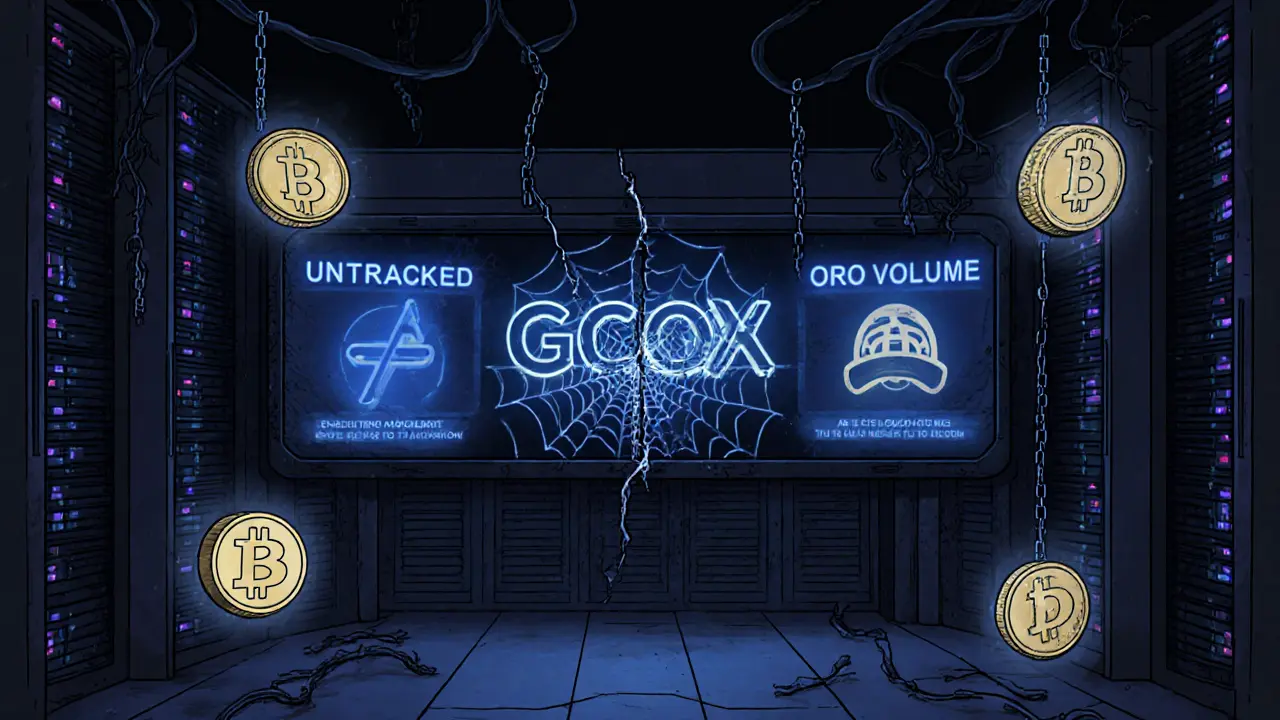
GCOX crypto exchange is defunct as of 2025, with zero trading volume, closed deposits, and no customer support. Once promoted for celebrity tokens like PAC Coin, it failed due to lack of real users and regulatory pressure.
Read More
A thorough Almeedex crypto exchange review highlighting missing data, red flags, verification steps, and safer alternatives for traders.
Read More
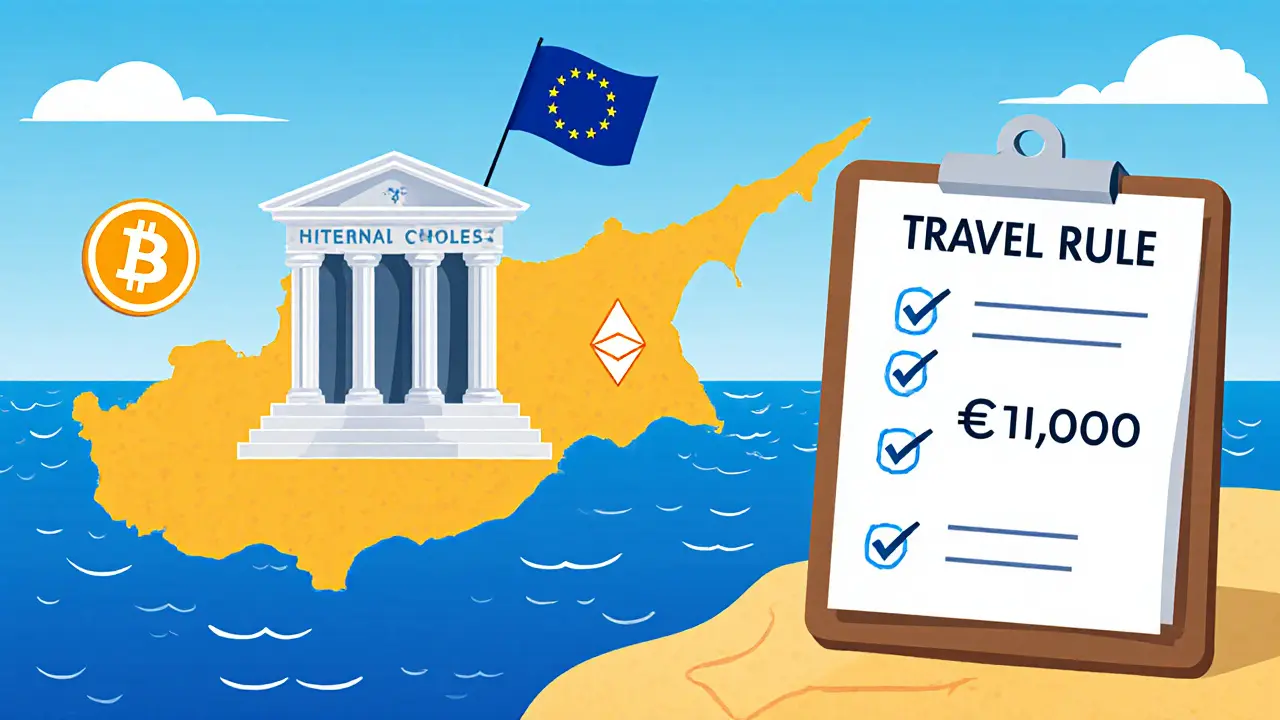
Explore Cyprus' crypto banking restrictions: key regulations, compliance steps, and future outlook for banks and crypto firms in 2025.
Read More
A clear guide on Nepal's crypto asset forfeiture rules, covering legal basis, seizure steps, penalties and practical advice for anyone facing crypto charges.
Read More
Learn how cross-chain NFT marketplaces work, compare top platforms, and get a step‑by‑step guide to trading NFTs across multiple blockchains in 2025.
Read More
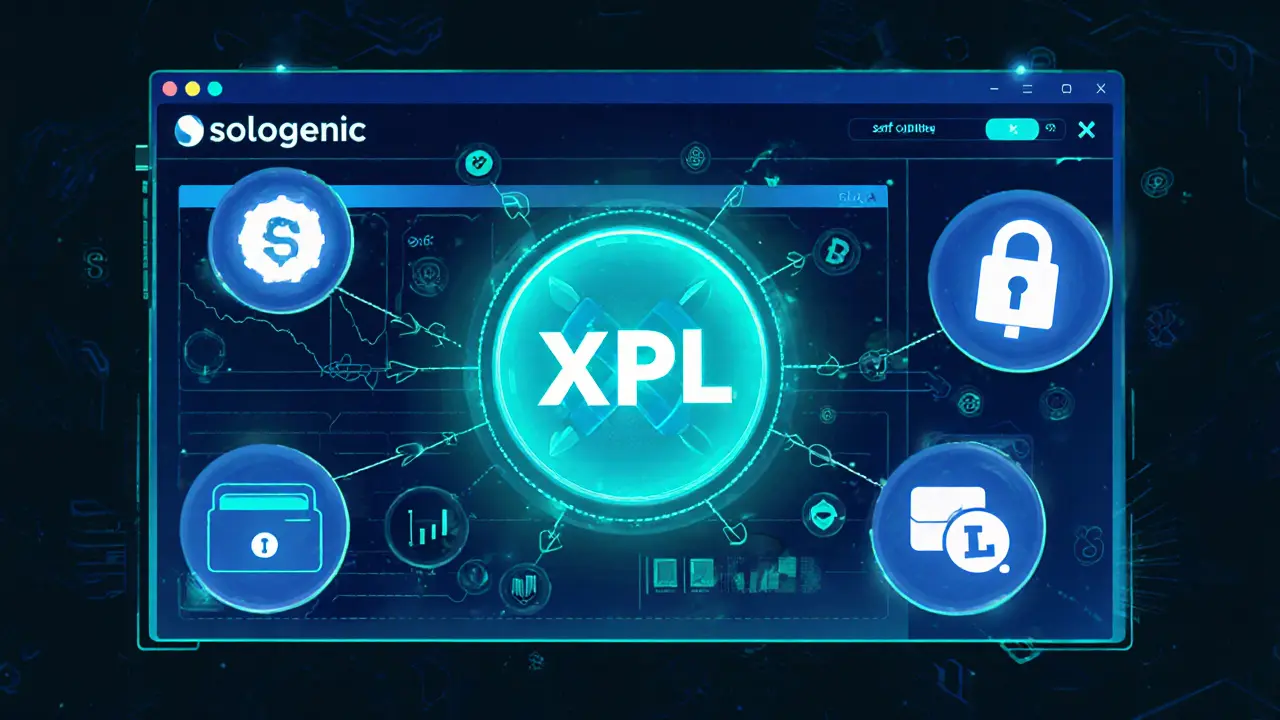
A detailed, unbiased review of Sologenic DEX covering features, fees, wallet support, tokenized stocks, NFT marketplace, mobile app performance, and how it stacks up against rivals.
Read More
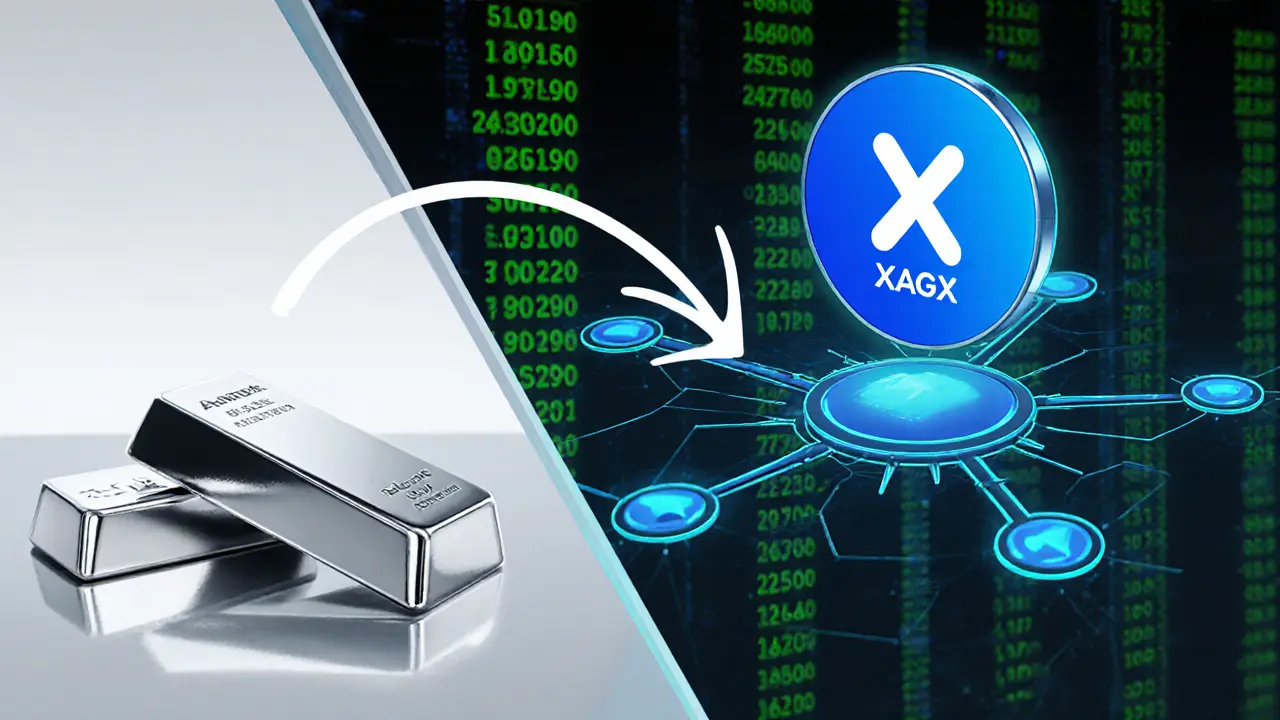
Silver Token (XAGX) is a silver‑backed stablecoin on Avalanche. Learn how it works, market data, buying options, risks, and future outlook in this concise guide.
Read More
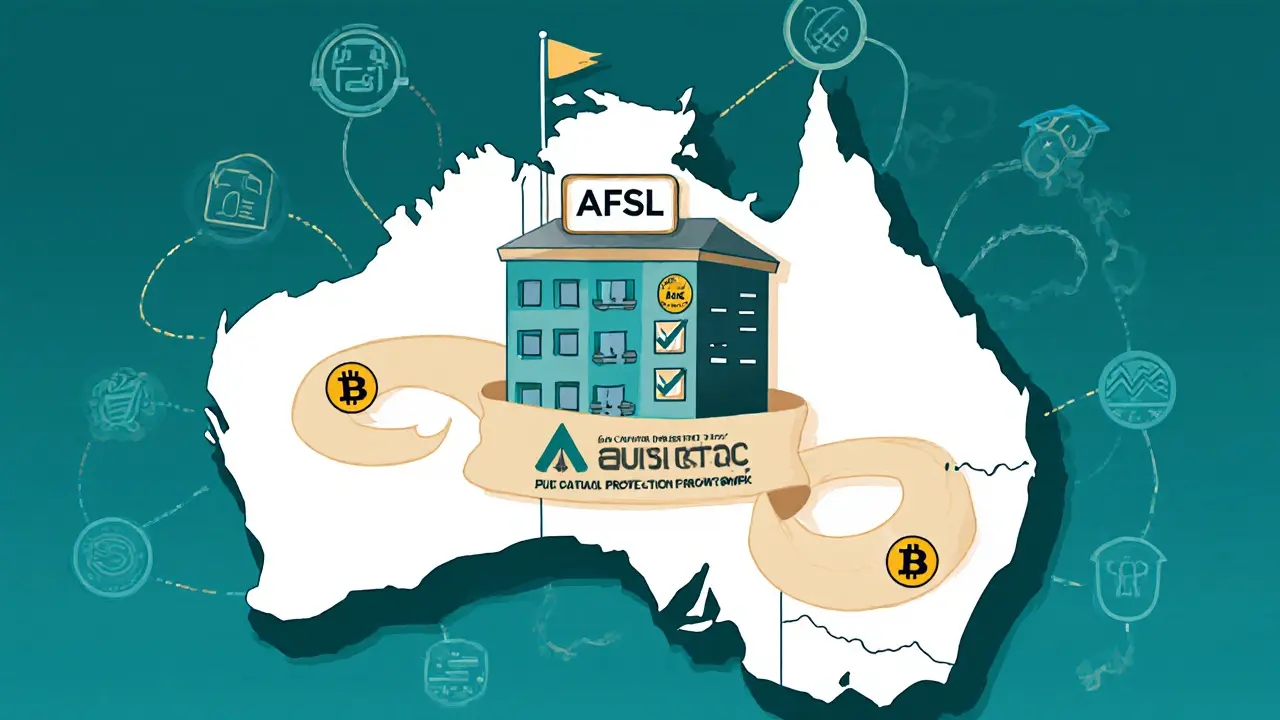
A clear guide to Australia's new 2025 crypto consumer protection rules, licensing requirements, exemptions, and practical steps for traders.
Read More