Self-Sovereign Identity: Control Your Digital Identity Without Middlemen
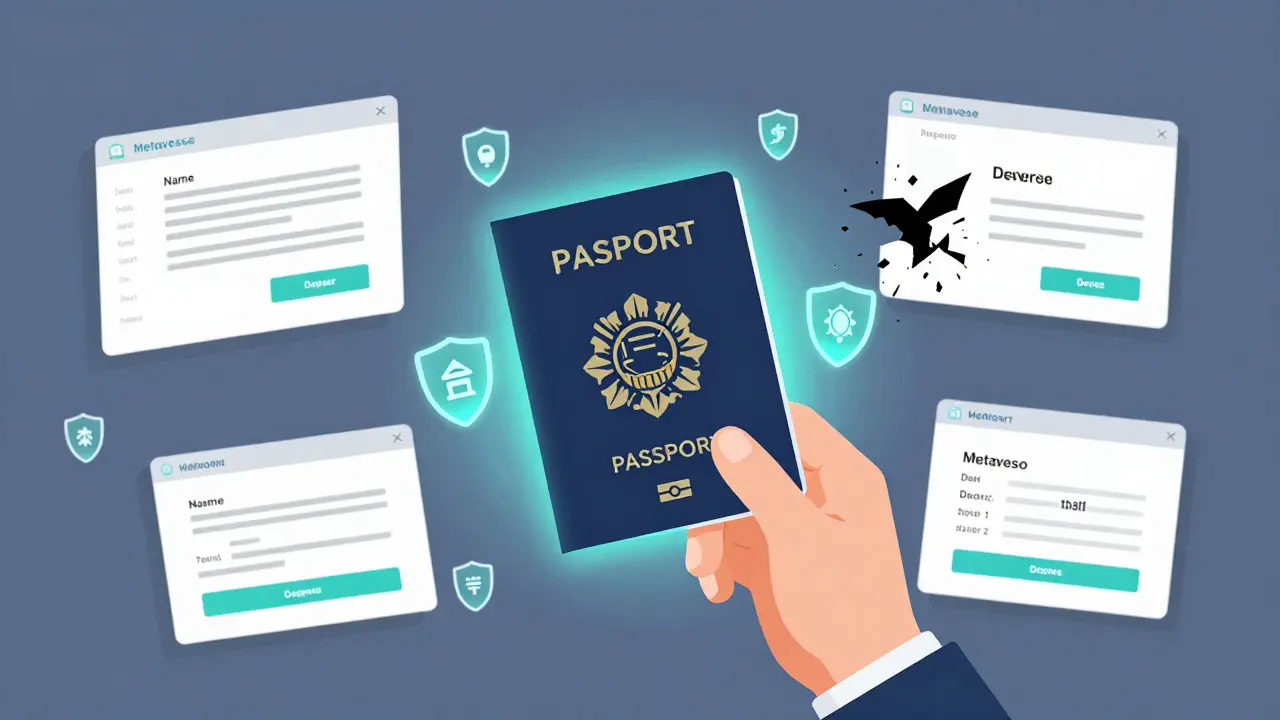
When you log into a website, sign up for a crypto exchange, or apply for a loan online, you’re giving away pieces of your identity to strangers. Self-sovereign identity, a system where you alone control your personal data without relying on companies or governments. Also known as decentralized identity, it flips the script: instead of letting Facebook, Google, or your bank hold your data, you keep it in your own digital wallet and share only what you need, when you need it. This isn’t theory—it’s already being tested in real-world systems like the EU’s digital wallet and pilot programs in Canada and Estonia.
Self-sovereign identity works by tying your personal details—like your name, passport number, or degree—to cryptographically signed credentials. These aren’t stored on a central server. They live on your phone or hardware wallet, encrypted and verifiable. When a service asks for proof of age, you don’t send your birth certificate. You send a signed digital token that says, "This person is over 18," without revealing anything else. It’s like showing a bartender a QR code that proves you’re legal to drink, but doesn’t show your full ID, address, or social security number. This cuts down on data leaks, identity theft, and surveillance. Companies like Microsoft and Sovrin have built open frameworks for this, and governments are starting to adopt it because it’s cheaper, faster, and safer than old paper-based systems.
But here’s the catch: most people still don’t use it. Why? Because it’s not yet seamless. You can’t just click "Login with SSI" on Amazon yet. Right now, it’s mostly used in niche areas—like verifying academic credentials for blockchain-based job platforms or proving residency for crypto-friendly countries like the UAE. The posts below show you exactly where this tech is being tested, where it’s failing, and which projects are actually delivering real control over your identity. You’ll see how some crypto exchanges are using it to comply with regulations without storing your data, how fake airdrops pretend to offer "identity rewards," and why platforms like Kyrrex and BitBegin are quietly building SSI into their verification flows. This isn’t about futuristic dreams. It’s about who owns your data today—and how you can take it back.
Digital identity NFTs are blockchain-based credentials that let you control your online identity without relying on passwords or central companies. They offer privacy, security, and cross-platform access - but come with key management risks.
Read More
Blockchain-based identity verification lets you control your personal data with cryptographic keys instead of relying on centralized databases. Faster, safer, and private - it’s already used by banks, hospitals, and governments.
Read More