
How Decentralized Identifiers (DIDs) Work on Blockchain
DIDs let you own your digital identity on blockchain - no passwords, no middlemen. Learn how they work, where they’re used, and why they’re the future of online identity.
Read MoreWhen you log into a crypto exchange, sign an NFT sale, or claim an airdrop, you’re not just entering a password—you’re proving your digital identity, a verifiable online persona that links your actions, assets, and reputation across digital systems. Also known as decentralized identity, it’s the foundation of trust in Web3—without it, you’re just a ghost in the blockchain. Unlike old-school logins that rely on banks or tech giants to vouch for you, modern digital identity lets you control who sees what, when, and why. No more sharing your full name, address, and SSN just to trade Bitcoin.
This shift matters because blockchain identity, a self-sovereign system where users hold their own credentials on a tamper-proof ledger is replacing centralized databases that get hacked, sold, or misused. Look at the posts below—sites like BitBegin and Kyrrex require KYC because they’re tied to real-world regulations, while scams like Bitcoin.me and 99Ex thrive by pretending to be legitimate without ever verifying who you are. Your digital identity is the line between getting paid and getting scammed.
And it’s not just about security. crypto identity, a unique, portable profile tied to your wallet and transaction history lets you earn rewards, access exclusive airdrops, and even build reputation in DeFi. The ASK airdrop from Permission.io doesn’t just give you tokens—it rewards your browsing behavior, turning your online activity into verifiable value. Meanwhile, countries like the UAE and Cyprus are building legal frameworks that recognize digital identity as a legal asset, not just a tech feature.
But here’s the catch: if your identity is tied to a centralized exchange that gets shut down or blocked—like Kraken’s jurisdiction restrictions—you lose access. That’s why decentralized identity is the real future. It’s not about having more accounts. It’s about owning your proof of who you are, no matter where you trade, what coin you hold, or which country you’re in.
Below, you’ll find real-world examples of how digital identity plays out—sometimes safely, often dangerously. From airdrops that ask for too much to exchanges that demand too little, these posts show you what works, what fails, and what you should never trust. This isn’t theory. It’s your wallet on the line.
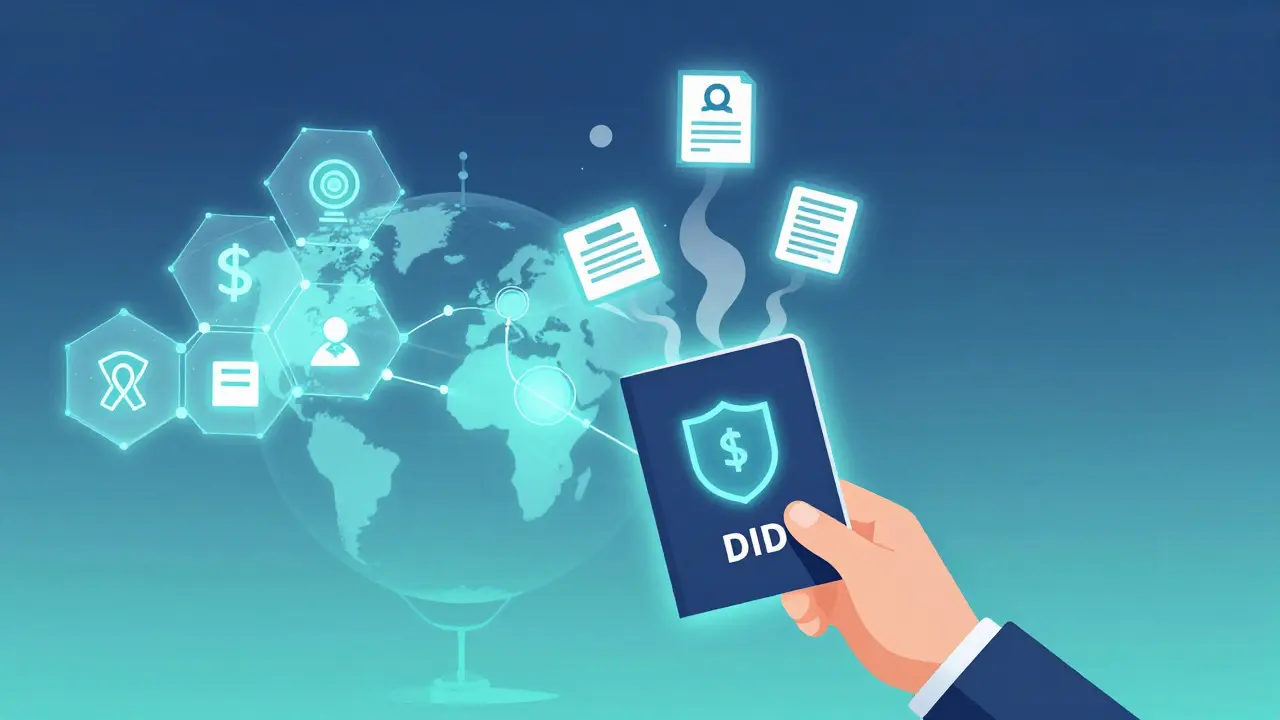
DIDs let you own your digital identity on blockchain - no passwords, no middlemen. Learn how they work, where they’re used, and why they’re the future of online identity.
Read More
Blockchain-based identity verification lets you control your personal data with cryptographic keys instead of relying on centralized databases. Faster, safer, and private - it’s already used by banks, hospitals, and governments.
Read More