Crypto Sanctions: How They Shape the Crypto World
When dealing with crypto sanctions, governmental measures that block or limit crypto transactions for specific countries, entities, or individuals. Also known as crypto restrictions, they are enforced by bodies like OFAC, the Office of Foreign Assets Control, which issues licenses and lists of prohibited parties. Crypto sanctions influence everything from where you can trade to which tokens you can hold, making compliance a daily concern for traders and platforms alike.
One major layer of geographic restrictions, rules that block users from certain nations from accessing crypto services comes from the need to obey local laws. For example, decentralized exchanges like dYdX still enforce country blocks, showing that even “decentralized” platforms must obey national regulations. These geographic limits drive exchange compliance, the set of policies, KYC/AML procedures, and licensing requirements exchanges adopt to stay legal. An exchange that ignores a sanction can lose its license, face huge fines, or be shut down overnight, which is why compliance teams constantly scan sanction lists and update user access controls.
The landscape isn’t static. Recent sanctions relief moves, like the 2025 OFAC General License for Syrian crypto users, opened doors for previously blocked miners and traders. This shift sparked new licensing applications, changed how mining equipment can be shipped, and forced exchanges to revise their onboarding flows. While relief can boost market activity, it also creates a gray area: operators must verify that users truly qualify for the exemption, or risk slipping back into violation. Keeping an eye on these policy changes is essential for anyone who wants to trade safely and avoid costly mistakes.
Below you’ll find a curated set of articles that dive deeper into each of these topics – from exchange reviews that highlight how platforms handle sanctions, to case studies on underground trading in restricted regions. Whether you’re a seasoned trader looking to tighten your compliance checklist or a curious newcomer wanting to understand why certain tokens disappear from your dashboard, the posts ahead give practical insights and real‑world examples you can act on right now.
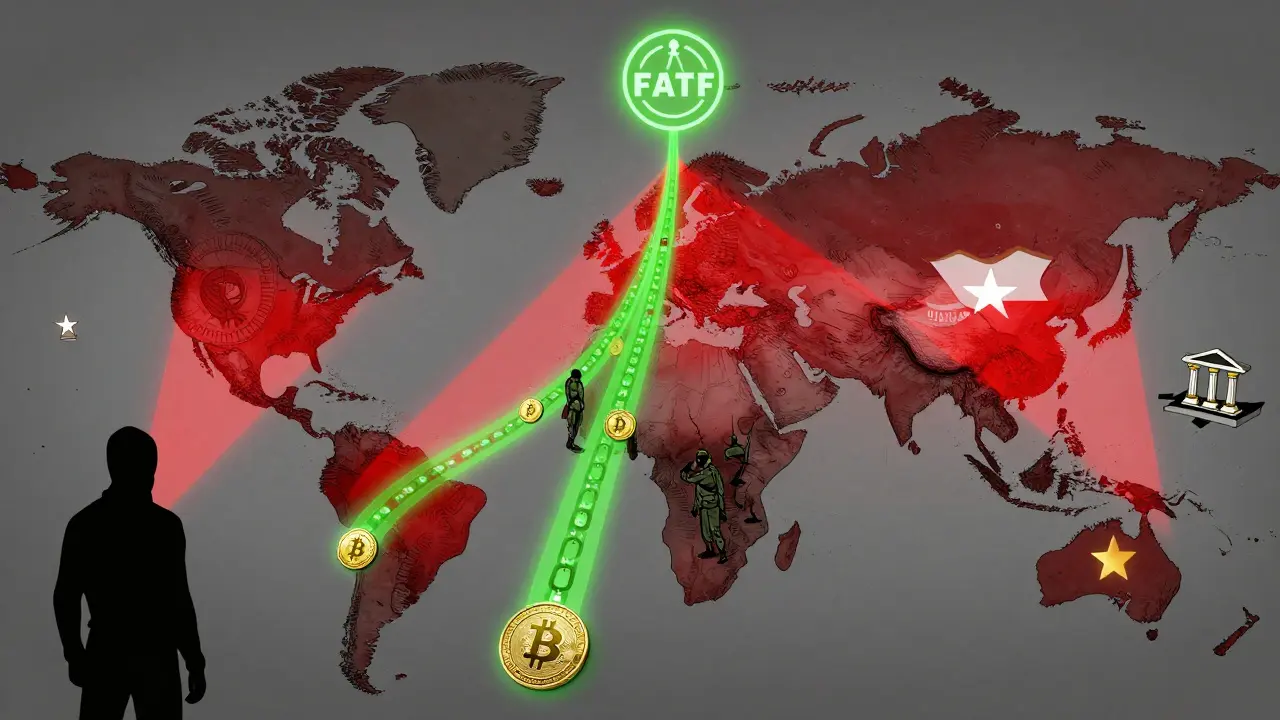
Iran, North Korea, and Myanmar are the only three countries on the FATF blacklist for crypto-related financial crimes. Learn how they use cryptocurrency to evade sanctions, steal billions, and bypass global financial controls.
Read More
OFAC has intensified sanctions against North Korean crypto networks in 2025, targeting state-backed hackers who steal billions through fake remote IT jobs. These operations fund Pyongyang’s weapons programs-and every crypto company is a potential target.
Read More
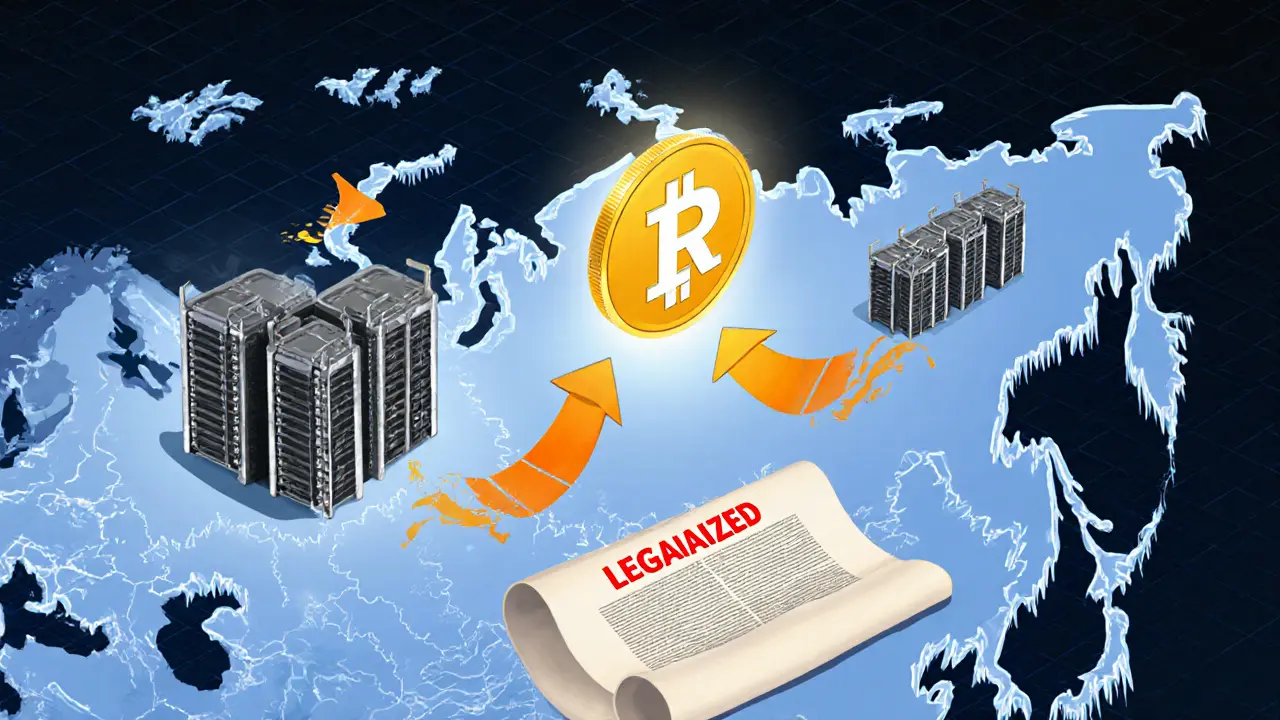
Russia's new crypto mining law lets the state generate digital currency revenue, supporting sanctions evasion via the A7A5 stablecoin and a network of sanctioned exchanges. Western sanctions target miners, exchanges, and the financial bridges enabling the scheme.
Read More