
Australia's 2025 Crypto Consumer Protection Rules Explained
A clear guide to Australia's new 2025 crypto consumer protection rules, licensing requirements, exemptions, and practical steps for traders.
Read MoreWhen talking about crypto consumer protection Australia, the framework of laws, agencies, and safeguards that keep Australian crypto users safe from fraud and loss. Also known as Australian crypto consumer rights, it sits at the crossroads of financial regulation, technology and everyday investing. Crypto consumer protection Australia isn’t just a buzzword – it’s the safety net that lets you trade, hold and earn crypto without living in constant fear of scams.
One of the main pillars of this safety net is the Australian Securities and Investments Commission (ASIC, Australia's market watchdog that enforces financial laws and oversees crypto licensing). ASIC sets licensing requirements, audits exchanges, and can ban services that break the rules. When ASIC steps in, it usually means better transparency, lower fees and stronger security for users. Another key player is the crypto scams, fraud schemes targeting crypto investors, from phishing to fake airdrops. Knowing how scams operate helps you spot red flags before you click, sign or send money.
Consumer protection encompasses three core ideas: clear information, fair treatment, and recourse when things go wrong. Clear information means exchanges must disclose fees, risks and the legal status of tokens. Fair treatment requires that platforms treat retail users the same as institutions, without hidden charges. Recourse means you can lodge complaints, get refunds or even pursue legal action if an exchange disappears. These ideas influence how you choose a platform, whether you trust a new token, or decide to join an airdrop.
The reality is that many of the articles on our site focus on exchange reviews, token deep‑dives, and airdrop guides. All of them tie back to protection because every review highlights fees, security measures, and regulatory status. For example, a review of the Sologenic DEX points out how it operates on the XRP Ledger and why that matters for Australian users concerned about licensing. A look at the Upbit Indonesia review shows how fee structures differ across borders, reminding readers that a deal that looks cheap abroad might violate local laws.
Understanding consumer rights crypto, the legal entitlements Australian crypto users have, including dispute resolution and compensation mechanisms helps you act confidently. If an exchange fails to honor withdrawals, you can approach ASIC’s consumer protection team, who often coordinate with the Financial Ombudsman Service. This chain of responsibility is a vital semantic triple: crypto consumer protection Australia requires ASIC enforcement, and ASIC enforcement protects consumer rights crypto.
Another related entity is crypto exchange safety, the set of security practices, insurance policies and compliance measures that keep user funds secure. When an exchange implements cold storage, two‑factor authentication and regular audits, it directly boosts the protection framework. Our reviews of MorCrypto, Coinmetro and other platforms break down these safety features, letting you compare real‑world implementations against the standards set by ASIC.
Finally, the global landscape influences Australian protection too. International sanctions, such as OFAC measures on Syrian crypto users, or the dYdX country restrictions, illustrate how cross‑border compliance can affect local traders. Even if you never trade on a platform outside Australia, understanding these external pressures helps you gauge the stability of a token’s ecosystem.
All this context sets the stage for the collection below. Whether you’re hunting the next airdrop, weighing the fees of a new DEX, or just want to know your rights when something goes wrong, the articles listed after this intro give you the practical details you need to stay safe and confident in the Australian crypto market.
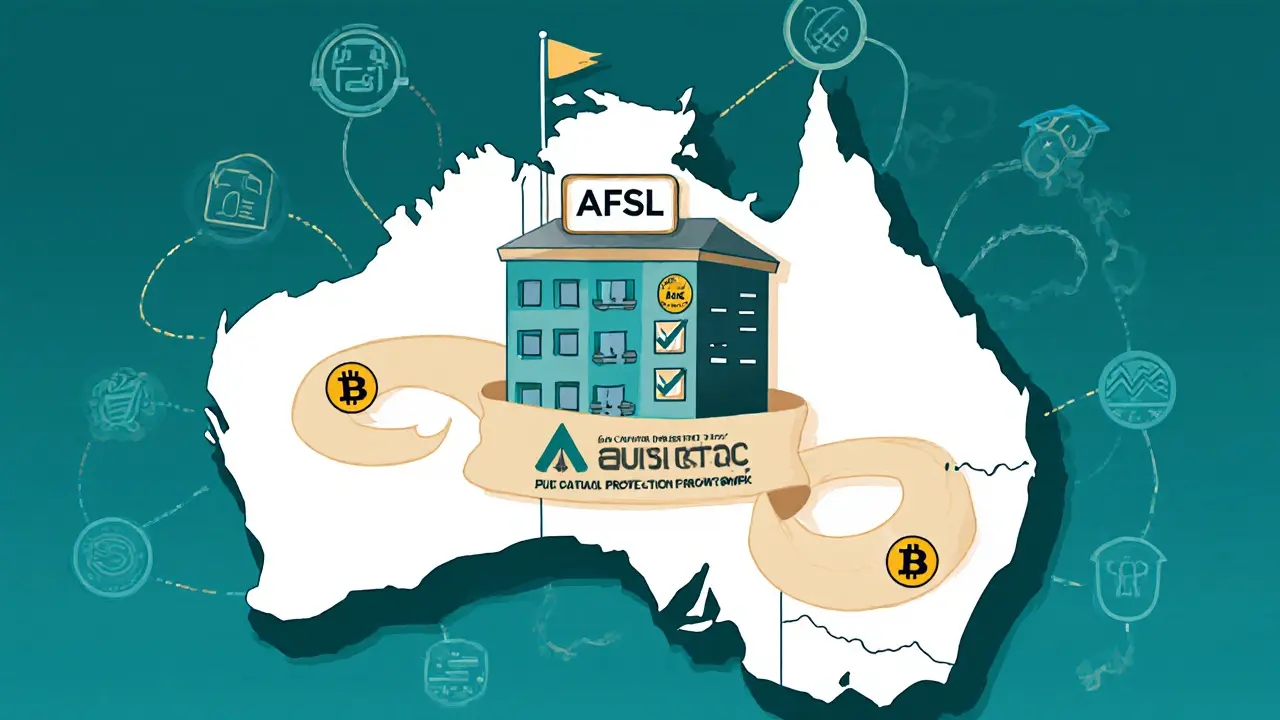
A clear guide to Australia's new 2025 crypto consumer protection rules, licensing requirements, exemptions, and practical steps for traders.
Read More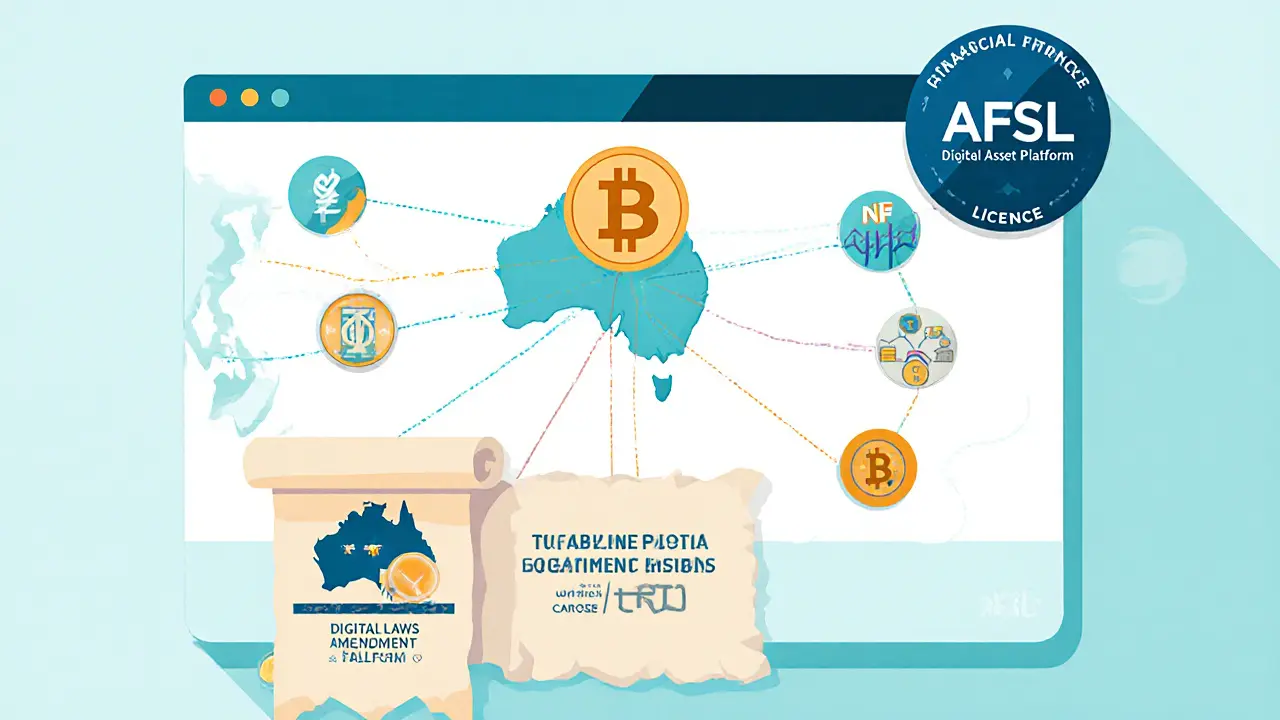
A clear guide to Australia's new crypto consumer protection rules, covering licensing, asset scope, compliance duties, and what investors should watch for.
Read More