Crypto Regulations and Exchanges in November 2025: Legal Trends, Scams, and Trading Insights
When navigating crypto regulations, the legal rules governing cryptocurrency use, trading, and taxation in different countries. Also known as cryptocurrency laws, it determines whether you can buy Bitcoin in Nigeria, stake tokens in the UAE, or face arrest in Bangladesh. In November 2025, these rules became sharper, clearer, and more enforced than ever. Countries like Nigeria and the UAE built structured frameworks that let users trade legally—while others, like Bangladesh, doubled down on bans that pushed activity underground. The difference wasn’t just policy—it was survival.
crypto exchanges, platforms where users buy, sell, and store digital assets. Also known as cryptocurrency trading platforms, it is where most people interact with the market. This month, the line between real exchanges and scams got even clearer. Platforms like Kyrrex and BitBegin earned trust by following regulations like MiCA and FinCEN rules. Meanwhile, sites like Bitcoin.me, 99Ex, and Coinviva vanished from the conversation—not because they were quiet, but because users stopped sending money to them. Binance.US stayed relevant with low fees and high staking yields, while TradeOgre’s shutdown became a warning: privacy doesn’t mean protection if regulators come knocking. You couldn’t just pick an exchange based on features anymore—you had to ask: Is this licensed? Is it audited? Or is it just a digital ghost?
crypto airdrops, free token distributions meant to reward users or build community. Also known as token giveaways, they’re often the gateway for new investors. But in November 2025, most airdrops weren’t gifts—they were traps. Claims about PNDR, CSHIP, IMM, and even fake CoinMarketCap drops flooded forums and Telegram groups. Each one looked real: polished websites, fake testimonials, countdown timers. But none had a working token, a real team, or a blockchain. Meanwhile, the ASK airdrop from Permission.io stood out—not because it was big, but because it had actual utility in Web3 advertising. The lesson? If it sounds too easy, it’s probably a phishing site pretending to be a giveaway.
Blockchain identity, hybrid networks, and NFT standards also shaped the month. Decentralized identity gave users control over their data instead of handing it to banks or apps. Hybrid blockchains let companies run private systems with public transparency—perfect for supply chains and healthcare. And NFT standards like ERC-721 and ERC-1155 became the backbone of digital ownership, not just for art, but for tickets, licenses, and even real estate deeds. These weren’t side notes—they were the quiet infrastructure behind the headlines.
What you’ll find below isn’t a random list of articles. It’s a snapshot of November 2025’s real crypto world: the countries where trading is legal, the exchanges you can trust, the airdrops that are scams, and the hidden costs like MEV and front-running that eat into your profits. No fluff. No hype. Just what happened, who got burned, and who still has a chance to win.
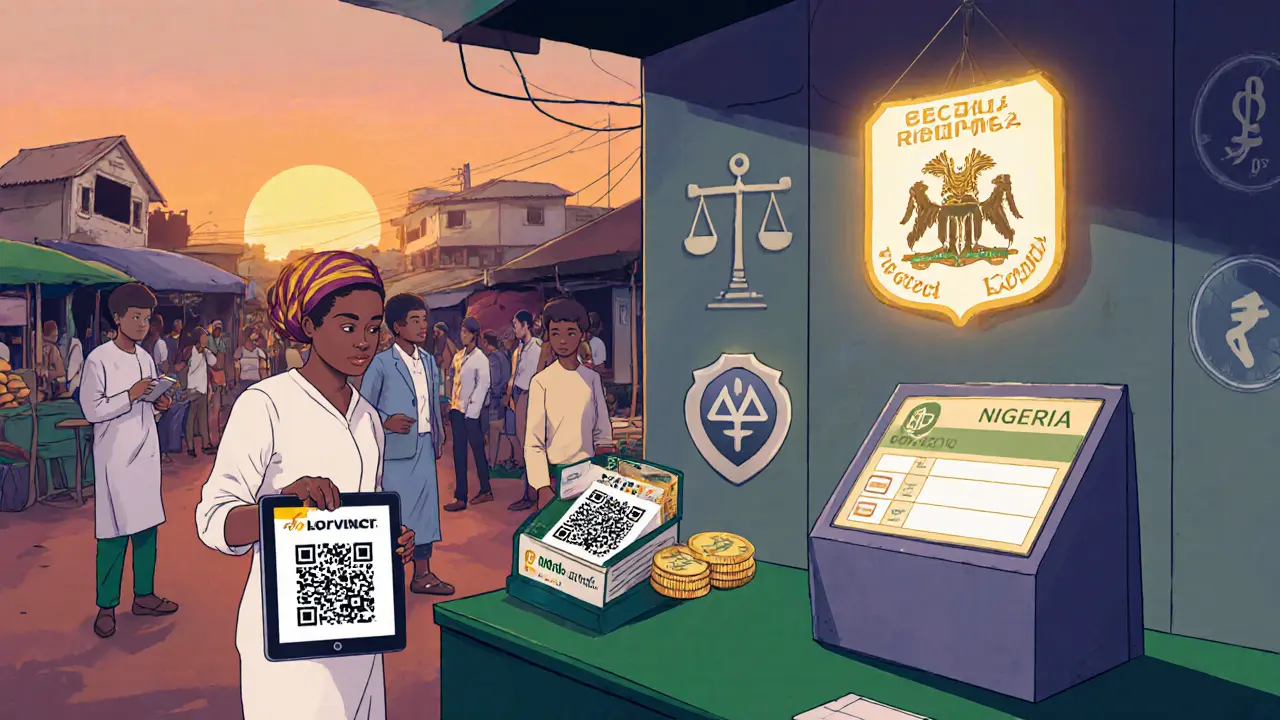
As of 2025, crypto payments are legal in Nigeria under strict SEC regulations. While not legal tender, crypto is recognized as a security, taxed on profits, and supported by licensed exchanges and banks.
Read More
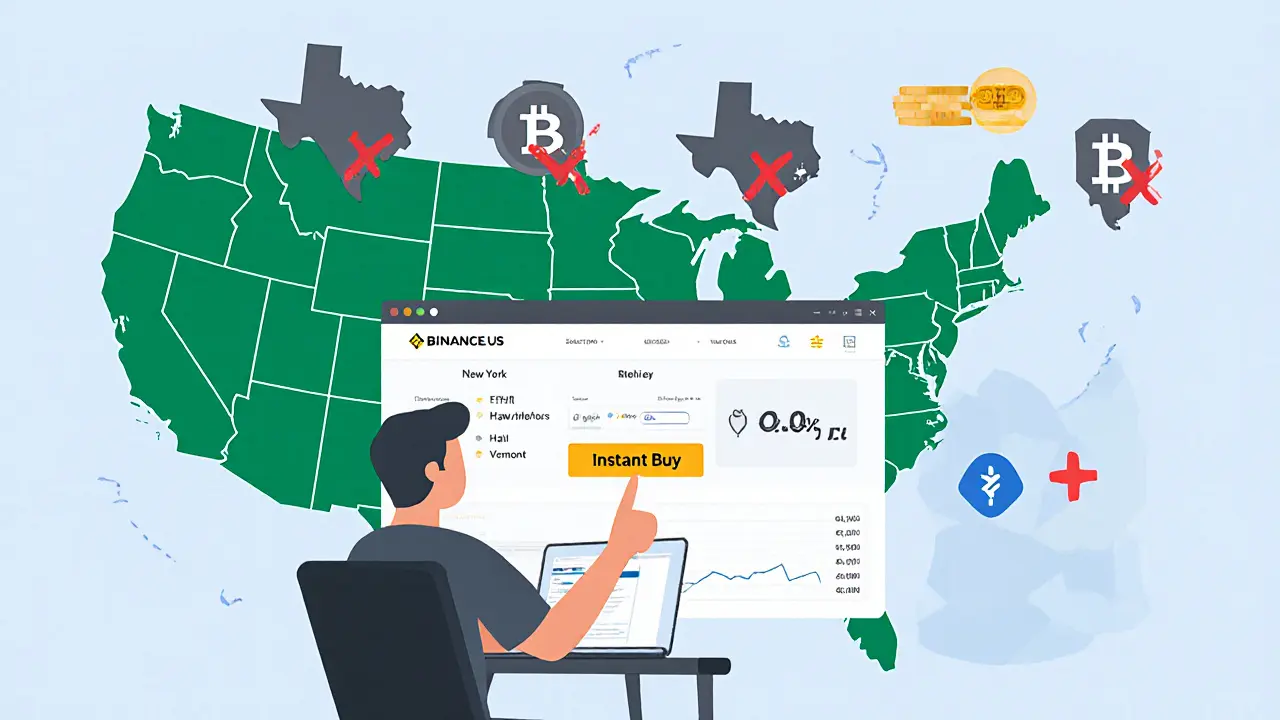
Binance.US offers low fees, high staking yields, and 180+ cryptocurrencies for U.S. traders. Learn how it compares to Coinbase and Kraken, its pros and cons, and whether it's right for you in 2025.
Read More
Setting up a crypto mining operation in 2025 requires serious investment in ASIC hardware, cheap electricity, and smart cooling. Profitability isn't guaranteed-only careful planning and ongoing management make it viable.
Read More
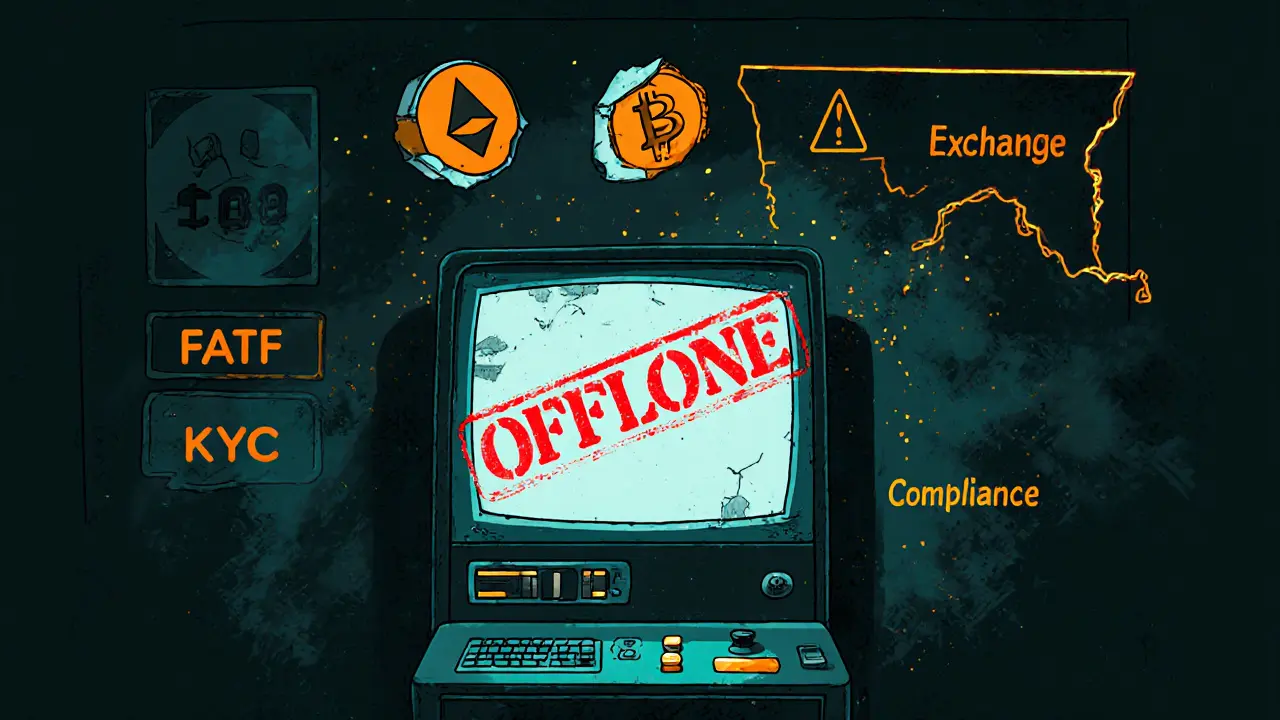
TradeOgre was a no-KYC crypto exchange popular for privacy coins like Monero. It shut down in July 2025 after Canadian authorities seized $40 million in assets. Here's why it failed and what it means for crypto privacy.
Read More
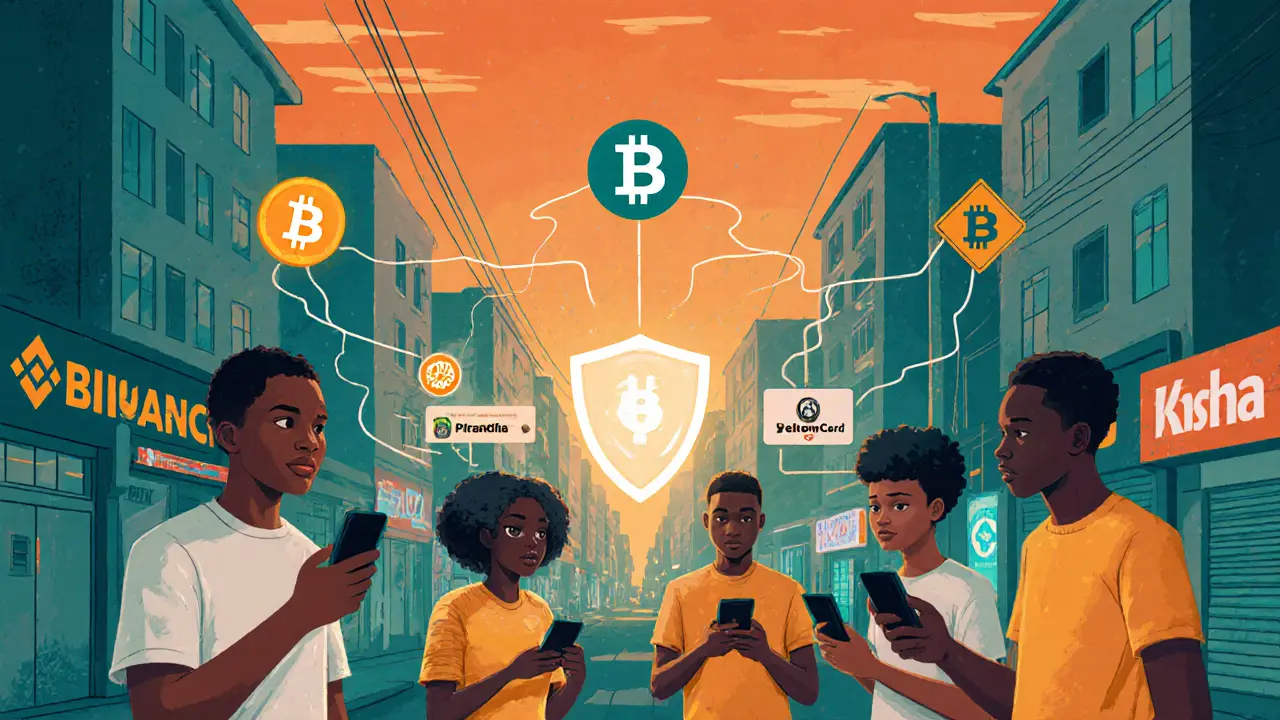
Nigeria's P2P crypto trading boom is driven by inflation, unbanked populations, and new regulations. In 2025, platforms like Binance, Bybit, and YellowCard let Nigerians trade crypto directly with Naira. Here's how they work, who's using them, and how to stay safe.
Read More
Front-running and MEV exploitation are hidden costs on blockchains like Ethereum, where bots profit from your trades before they even confirm. Learn how it works, who benefits, and how to protect yourself.
Read More
The future of leveraged crypto trading is no longer about high multipliers-it's about risk management, regulation, and survival. After a $19B liquidation event in October 2025, platforms are shifting toward safety, education, and transparency.
Read More
Crypto trading is illegal in Bangladesh, with severe legal, financial, and personal risks for citizens. Despite bans, underground markets thrive - but without protection, users face fraud, arrest, and bank freezes.
Read More
There is no official PNDR airdrop from CoinMarketCap. Learn the truth about Pandora Finance's dead token, how real crypto airdrops work in 2025, and how to avoid scams that target unsuspecting investors.
Read More
Invest Club Global (ICG) is a cryptocurrency with zero trading volume, no community, and no real purpose. Despite its name, it's not an investment - it's a digital ghost with a market cap under $1 million.
Read More
No verified CSHIP airdrop exists as of 2025. This article breaks down why CryptoShips is a scam, how fake crypto airdrops work, and how to avoid losing money to phishing sites pretending to offer free tokens.
Read More
NFT standards like ERC-721 and ERC-1155 define how digital assets are created, transferred, and displayed on blockchains. They determine cost, compatibility, and usability-making them critical for collectors, creators, and developers.
Read More