
Understanding the Kimchi Premium and Its Role in the Korean Crypto Market
Explore why cryptocurrencies trade at higher prices in South Korea, how the Kimchi premium is calculated, and what it means for traders and regulators in 2025.
Read MoreWhen exploring South Korean exchanges, crypto platforms regulated by the Financial Services Commission in South Korea. Also known as Korean crypto exchanges, they offer KRW trading pairs, strict KYC, and localized customer support. One of the biggest players is Upbit, a Seoul‑based exchange noted for low fees and a wide coin selection, while Bithumb, another major platform famous for high liquidity and strong security measures. South Korean exchanges operate under local regulations that require two‑factor authentication and regular audits, which directly boosts exchange security. These rules also shape fee structures, making it easier for traders to compare costs across platforms.
First, check the cryptocurrency exchange, service that matches buyers and sellers for digital assets’s licensing status; a proper license means the operator follows anti‑money‑laundering (AML) guidelines, reducing illegal activity risk. Second, evaluate exchange fees – trading, withdrawal, and deposit charges – because lower fees improve trader profitability, especially for high‑volume users. Third, security protocols matter: look for cold‑storage percentages, insurance coverage, and incident response plans. Finally, consider the range of supported assets; platforms that list both major coins and emerging tokens give you more opportunities without needing multiple accounts.
Regulation influences exchange security, and in South Korea that means mandatory security audits and real‑name verification. These measures protect users from phishing and hacks, while also ensuring that the exchange can quickly freeze suspicious accounts. On the fee side, most Korean platforms charge a maker‑taker model, where makers enjoy lower rates – a detail that can shave off a few percent over time. By understanding how local rules shape both security and fee policies, you can pick a platform that fits your risk tolerance and trading style. Below you’ll find in‑depth reviews, fee breakdowns, and safety analyses for the most popular South Korean exchanges, so you can make an informed decision without digging through scattered sources.
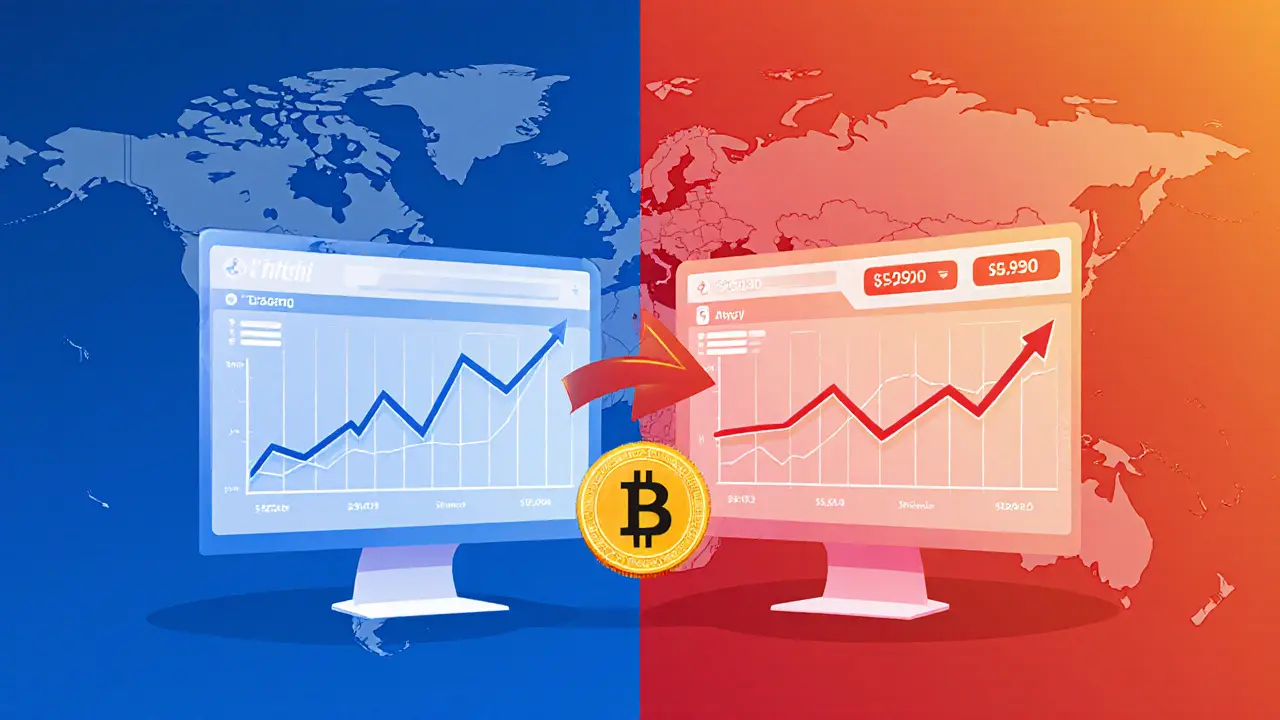
Explore why cryptocurrencies trade at higher prices in South Korea, how the Kimchi premium is calculated, and what it means for traders and regulators in 2025.
Read More