Smart Contracts
When working with Smart Contracts, self‑executing agreements stored on a blockchain that automatically enforce terms when predefined conditions are met. Also known as self‑executing contracts, they remove the need for intermediaries, cut costs, and provide transparent execution. Smart contracts enable decentralized applications, require blockchain platforms to run, and let tokens be created and transferred without manual oversight.
Related concepts you should know
Another core piece is Blockchain, a distributed ledger that records transactions in an immutable, cryptographically secured chain. It supplies the trust layer that makes smart contracts possible. Token, a digital asset issued on a blockchain, often representing utility, security, or governance rights, is typically minted and moved through smart contracts. Together, blockchain, smart contracts, and tokens form the backbone of decentralized finance (DeFi), allowing anyone to lend, borrow, or trade without a central authority. The synergy means that when a token’s rules are coded into a smart contract, the contract can enforce compliance, automate payouts, and trigger actions across multiple platforms.
In practice, crypto exchanges increasingly rely on smart contracts for decentralized trading, liquidity provisioning, and automated market making. Airdrop programs use them to verify eligibility and distribute tokens instantly, while NFTs leverage contracts to embed ownership and royalty logic. Our collection below dives into exchange reviews, airdrop walkthroughs, and real‑world token use cases, giving you a hands‑on view of how smart contracts shape the crypto landscape today. Explore the articles to see examples, spot risks, and pick up actionable tips you can apply right away.
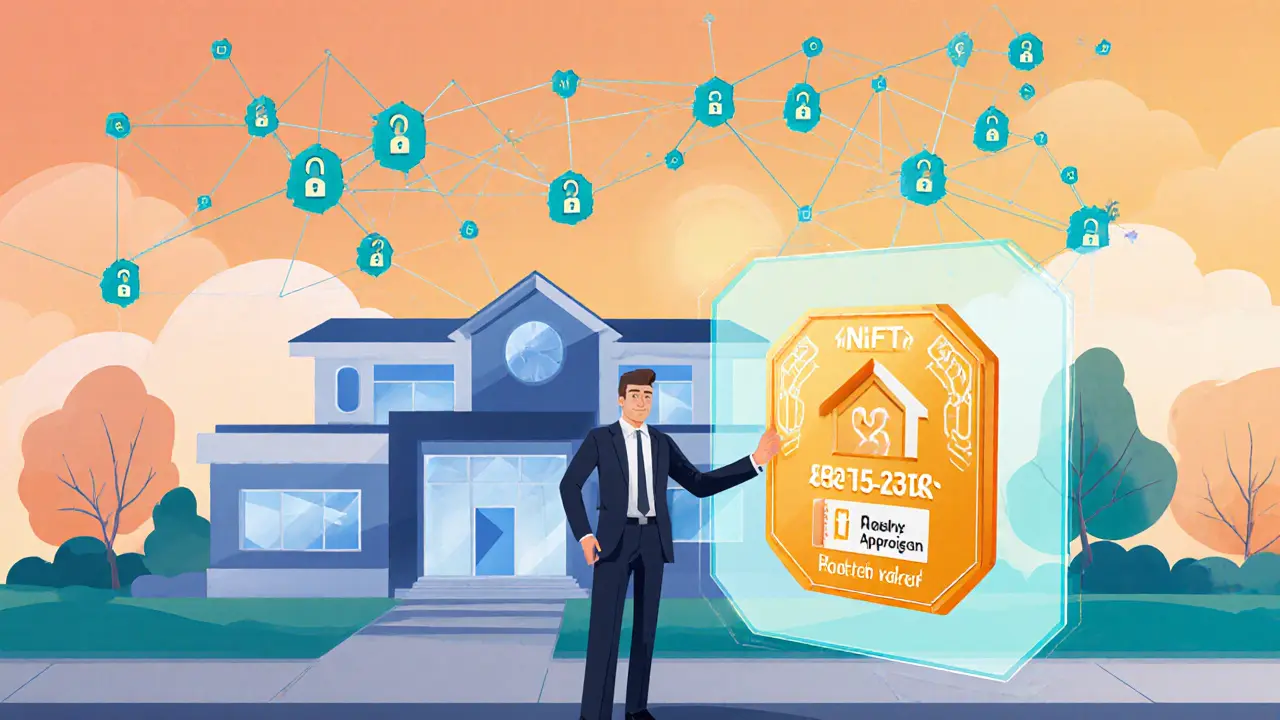
Learn how NFTs turn real estate into digital tokens, enabling fractional ownership, instant transfers, and new investment opportunities while navigating regulatory and technical challenges.
Read More