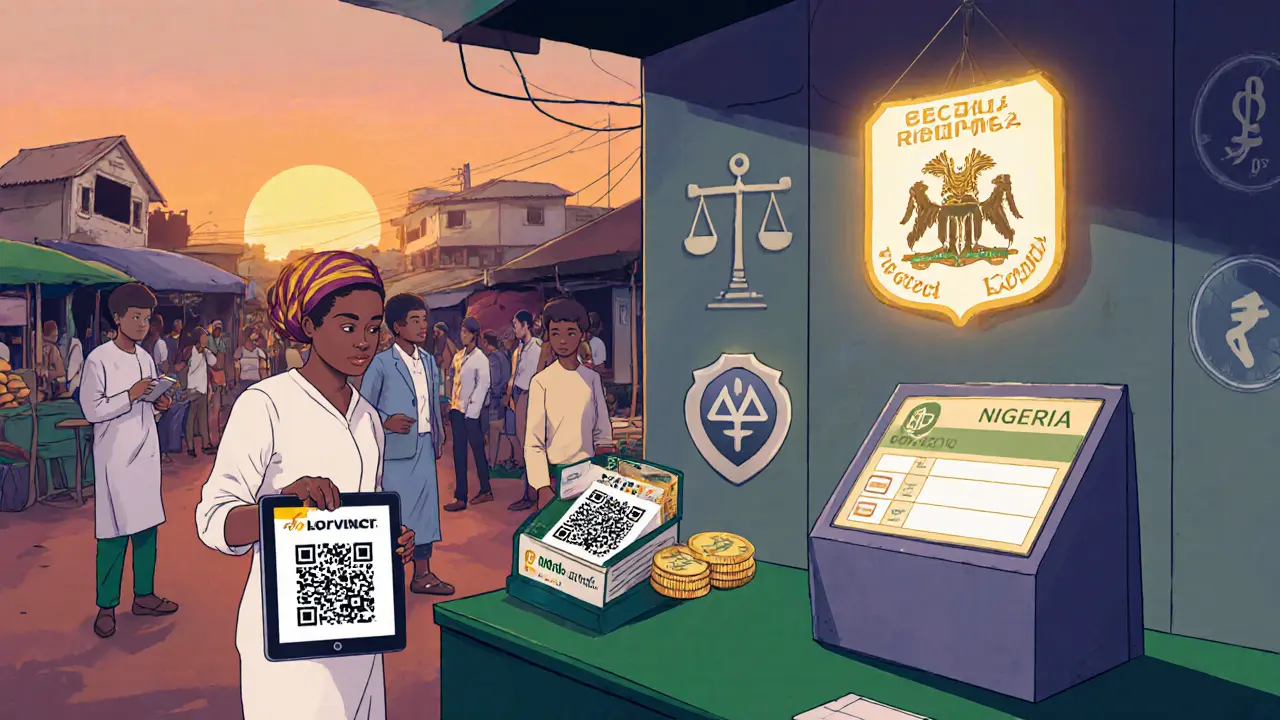
SEC Nigeria Crypto: Regulations, Risks, and What It Means for Nigerian Traders
When you hear SEC Nigeria crypto, the regulatory body overseeing cryptocurrency activities in Nigeria. Also known as Nigerian Securities and Exchange Commission, it is the government agency that sets rules for trading, listing, and promoting digital assets in the country. Since 2021, this agency has been at the center of Nigeria’s crypto chaos—sometimes banning, sometimes warning, always watching. While it never outright banned crypto, it forced banks to cut off crypto exchanges, shut down platforms like TradeOgre, and cracked down on unregistered token sales. The message was clear: if you’re trading crypto in Nigeria, you’re doing it outside the system—and that’s risky.
That’s why P2P crypto Nigeria, peer-to-peer trading platforms where users exchange crypto directly with Naira exploded. With over 4 million Nigerians now using crypto for daily payments, remittances, and savings, the people didn’t wait for permission. Platforms like Binance P2P and YellowCard became lifelines, letting users bypass blocked bank accounts and hyperinflation. But the SEC Nigeria enforcement, the agency’s actions against unlicensed crypto services and fraudulent tokens didn’t stop. In 2024, it fined firms for unregistered token sales and demanded KYC compliance from all platforms operating in the country. The result? A growing gap between what’s legal and what’s practical. You can’t buy crypto through a Nigerian bank, but you can buy it from a stranger in Lagos using WhatsApp.
What does this mean for you? If you’re trading crypto in Nigeria, you’re not just managing price risk—you’re managing legal risk. The cryptocurrency law Nigeria, the evolving legal framework governing digital asset use is still unclear. There’s no formal license for retail traders, no clear tax rules, and no protection if a P2P seller vanishes. That’s why so many posts here focus on scams, fake airdrops, and sketchy exchanges. You’ll find guides on how to spot a fake FAN8 token, why TradeOgre vanished overnight, and how to avoid losing money to phishing sites pretending to be SEC-approved. The truth? The SEC isn’t stopping crypto—it’s forcing it underground. And underground markets don’t have customer service, chargebacks, or insurance.
What you’ll find below isn’t theory. It’s real stories from Nigerian traders who’ve lost money, found workarounds, and learned the hard way. You’ll see how Bitcoin became a survival tool during inflation, why software wallets are dangerous if you’re not careful, and how leveraged trading turned into a disaster for many after a $19B wipeout. This isn’t about whether crypto is good or bad. It’s about how to stay safe when the rules are written in fog. The SEC Nigeria crypto policy may change tomorrow. But the risks? They’re real today. And the posts here are your map through them.
As of 2025, crypto payments are legal in Nigeria under strict SEC regulations. While not legal tender, crypto is recognized as a security, taxed on profits, and supported by licensed exchanges and banks.
Read More