
99Ex Crypto Exchange Review: Is It Legit or a Scam?
99Ex is not a real crypto exchange - it's a scam. No audits, no reviews, no legitimacy. Learn how these fake platforms work and which exchanges are actually safe to use in 2025.
Read MoreWhen you trade crypto, safe crypto trading, the practice of buying, selling, and holding digital assets without falling for fraud or losing funds to insecure platforms. Also known as secure cryptocurrency trading, it’s not about luck—it’s about knowing which exchanges are real, which tokens are dead, and how to protect your data before you click "Confirm". Too many people lose money because they trust a flashy website or a Telegram group promising free tokens. The truth? Most of those are scams. Bitcoin.me, Coinviva, GCOX, and Almeedex aren’t exchanges—they’re digital traps. They look real, but they have no customer support, no licensing, and no history of actual trades. If it sounds too good to be true, it is.
Real regulated crypto exchange, a platform that follows government rules, registers with financial authorities, and protects users with clear security standards. Also known as licensed crypto platform, it like Kyrrex or BitBegin (for Georgia users) shows you where it’s registered, what fees it charges, and how it handles withdrawals. These platforms don’t hide behind vague terms—they publish compliance documents. And they don’t list zombie coins like UniWorld (UNW) or Caduceus CMP, which vanished after their airdrops. If an exchange lets you trade a token with zero volume and no blockchain, walk away. Safe crypto trading means avoiding platforms that don’t care if you lose money.
Then there’s your identity. blockchain identity, a way to prove who you are online using encrypted keys instead of handing your personal info to a company’s database. Also known as self-sovereign identity, it lets you control your data. No more giving your passport photo to a sketchy exchange just to verify your account. With blockchain-based verification, you share only what’s needed—like proof you’re over 18—without exposing your full name, address, or ID number. This isn’t sci-fi. Banks and governments are already using it. If an exchange asks for too much personal info, it’s not protecting you—it’s collecting it.
And don’t get fooled by airdrops. IMM? Dead. CMP? Gone. ASK? Real—but only if you claim it through Permission.io’s official site. Fake airdrops use your wallet address to drain your funds later. Safe crypto trading means checking every airdrop against trusted sources like CoinMarketCap or the project’s official Twitter—not some random blog or Discord channel.
What you’ll find here aren’t theories. These are real reviews of platforms that shut down, scams that stole thousands, and exchanges that actually follow the rules. You’ll see how jurisdiction matters—some countries ban crypto, others tax it at 30%, and a few like the UAE built clear frameworks. You’ll learn why Kraken blocks users in 14 countries, why Cyprus has strict banking limits, and how Nepal seizes crypto assets. This isn’t about guessing. It’s about knowing what’s real, what’s risky, and what to avoid at all costs.
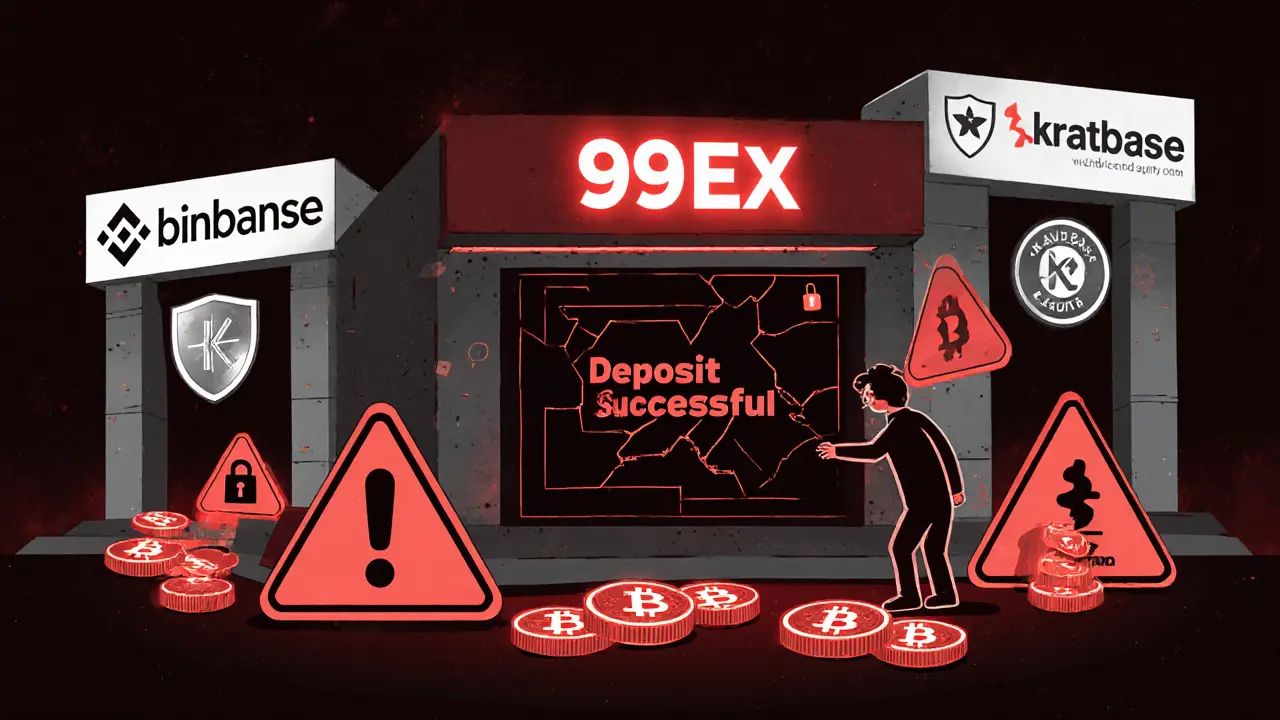
99Ex is not a real crypto exchange - it's a scam. No audits, no reviews, no legitimacy. Learn how these fake platforms work and which exchanges are actually safe to use in 2025.
Read More