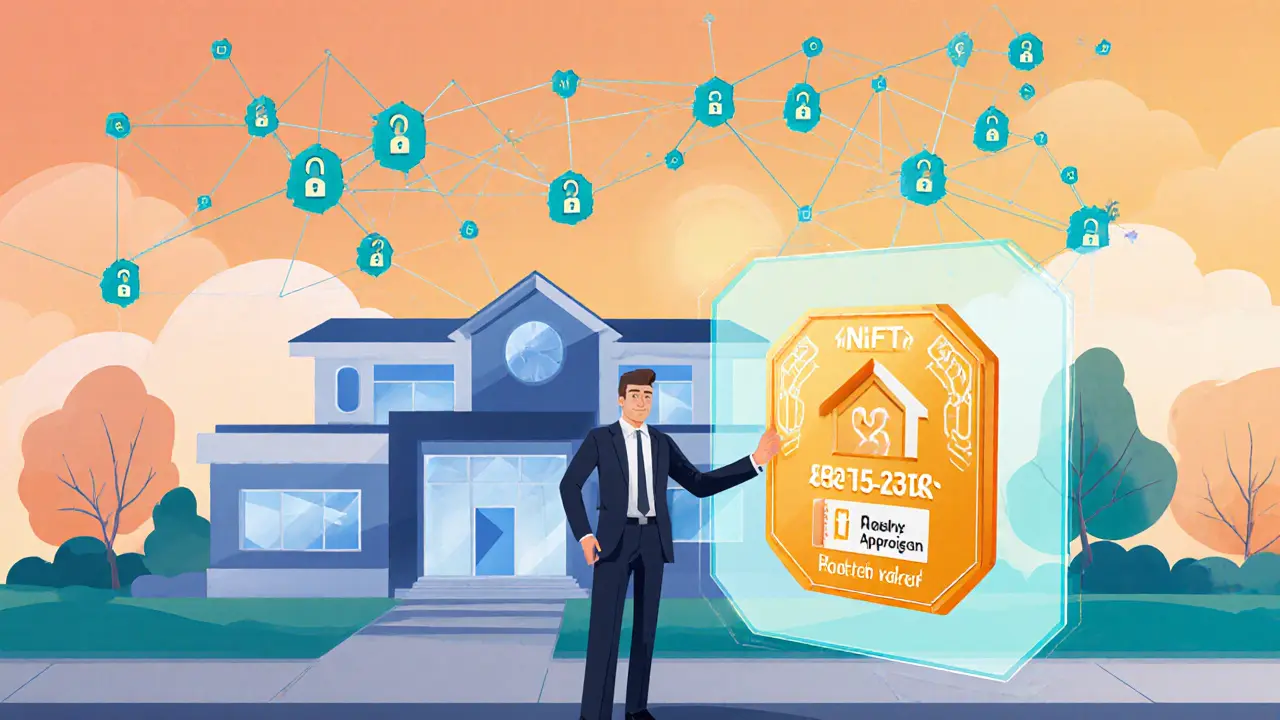
Real Estate Tokenization Explained
When you hear real estate tokenization, the process of converting physical property into digital tokens on a blockchain. Also known as property tokenization, it lets investors buy and sell tiny slices of a building the way you trade a stock. Real estate tokenization brings three core attributes: digitization (property data is recorded on a ledger), compliance (tokens follow securities law), and liquidity (tokens can move 24/7). The result is a new asset class that blends the stability of bricks with the speed of crypto.
Key Concepts Behind the Trend
The first building block is tokenized assets, digital representations of real‑world value that can be transferred instantly. These assets sit on blockchain, a tamper‑proof, decentralized database that records every token transaction. Because blockchain enables tokenized assets, it also supports security tokens, regulated tokens that grant investors rights similar to traditional securities. Security tokens are the legal glue that lets token holders claim rent, dividends, or voting power.
Real estate tokenization encompasses fractional ownership, the ability for many people to own a small percentage of a property. Fractional ownership reduces the barrier to entry: instead of needing $100,000 to buy a condo, you can purchase a $100 token. This model also spreads risk across a broader investor base, which can make projects more attractive to lenders. Platforms such as tokenized REITs, crowdfunded office towers, and vacation‑home syndicates illustrate how the concept moves from theory to practice.
Regulators are watching closely because the same securities rules that apply to stocks now affect token sales. Compliance tools built into smart contracts automate KYC/AML checks, enforce holding periods, and trigger profit‑sharing events. Meanwhile, DeFi protocols are experimenting with lending against tokenized real‑estate collateral, creating a feedback loop where liquidity fuels more token launches.
All these pieces—blockchain, security tokens, fractional ownership, and compliance—form a tightly linked ecosystem. As the ecosystem matures, investors can expect lower fees, faster settlement, and broader access to high‑value assets that were once locked away in private markets.
Below you’ll find a curated collection of articles that dig deeper into each of these topics. From exchange reviews that matter for token traders to detailed guides on how a tokenized Alibaba share works, the posts give you the practical steps and insights you need to navigate the world of real estate tokenization.
Learn how NFTs turn real estate into digital tokens, enabling fractional ownership, instant transfers, and new investment opportunities while navigating regulatory and technical challenges.
Read More