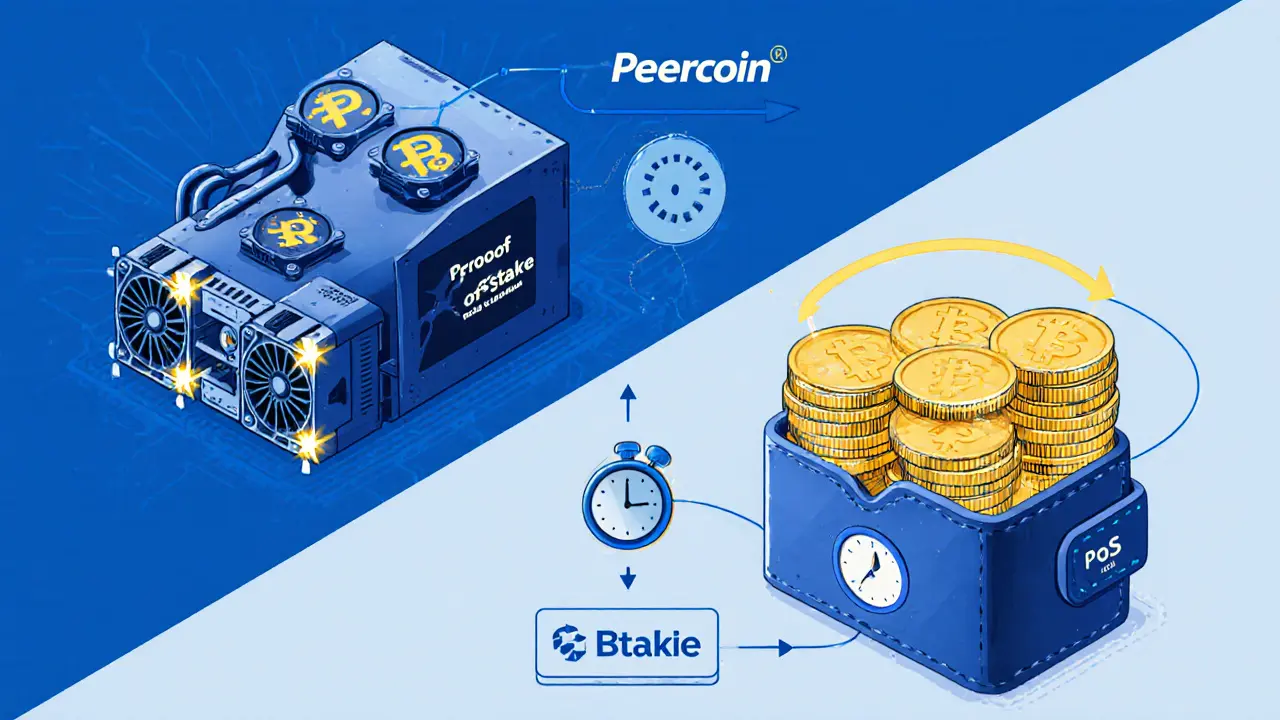
Proof‑of‑Stake Cryptocurrency: A Practical Overview
When you hear Proof‑of‑Stake Cryptocurrency, a digital asset that secures its ledger by letting holders lock up (or stake) coins instead of using power‑hungry mining. It’s also called PoS coin.
At its core, proof‑of‑stake cryptocurrency relies on Staking, the process where users delegate their tokens to help validate transactions and earn rewards. Staking isn’t just a passive income trick; it creates a financial incentive for participants to act honestly. When you stake, you lock up value, and the network uses that locked stake as a security bond. This bond makes attacks expensive because a malicious actor would need to acquire a massive share of the total stake.
Who Runs the Network? Validators and Their Roles
The people (or entities) that actually confirm blocks are called Validators, nodes selected based on the amount of stake they control and their reliability. Validators must stay online, follow protocol rules, and risk losing part of their stake if they cheat. This “skin‑in‑the‑game” model reduces the chance of a 51 % attack compared to proof‑of‑work systems, where attackers only need hash power.
Major blockchain platforms have built their own PoS implementations. Ethereum 2.0, the upgraded version of the original Ethereum network that switched from mining to staking in 2020 introduced the Beacon Chain, which coordinates thousands of validators and promises lower energy use. Cardano, a PoS‑only network that uses the Ouroboros protocol to select slot leaders and reward stakeholders focuses on academic research and formal verification, giving it a reputation for security and scalability.
Because PoS removes the need for massive ASIC farms, it’s often hailed as the eco‑friendly alternative. Energy efficiency directly influences investor interest, regulatory outlook, and mainstream adoption. Countries looking to promote green tech are more likely to welcome PoS projects, which in turn drives higher token liquidity and broader market participation.
Below you’ll find articles that dig into real‑world PoS use cases – from exchange reviews that support staking to airdrops that reward stakers, and deep dives into the technical nuances of validators on Ethereum 2.0 and Cardano. Whether you’re just starting to stake or already running a validator node, the collection offers actionable insights to help you navigate the fast‑moving PoS landscape.
Peercoin (PPC) is the first proof‑of‑stake crypto, combining Bitcoin’s hash with low‑energy staking. Learn how it works, its economics, staking steps, and current market outlook.
Read More