PPC: Mastering Pay‑Per‑Click Advertising
When working with PPC, pay‑per‑click advertising where you pay each time a user clicks your ad. Also known as pay‑per‑click marketing, it lets businesses control budgets and target audiences precisely.
Google Ads, Google’s platform for creating search and display ads and Facebook Ads, Meta’s network for social‑media advertising are the two powerhouses driving most PPC traffic today. PPC encompasses ad campaigns on these networks, requires keyword research to match user intent, and depends on the cost‑per‑click metric to measure efficiency. In practice, a well‑structured campaign on Google Ads can lower your average CPC while a finely tuned audience on Facebook Ads boosts conversion rates.
Effective PPC also leans on cost per click, the amount you pay for each click on your ad as a core KPI. Lowering CPC without sacrificing click‑through quality means you’re optimizing bid strategies, ad relevance, and landing‑page experience. Keyword bidding, ad extensions, and audience segmentation are tools that directly influence CPC and overall ROI. Many advertisers find that regular A/B testing of ad copy and creative assets accelerates performance gains.
The landscape doesn’t stop at Google and Facebook. Emerging platforms like TikTok Ads and LinkedIn Ads add new dimensions, but the underlying principles stay the same: define clear goals, choose the right audience, and continually refine based on data. Below you’ll find a curated set of articles that walk through exchange reviews, airdrop alerts, and deep‑dive analyses—all linked by the common thread of PPC‑related decisions, from budgeting to platform selection. Dive in to sharpen your paid‑traffic skill set and start driving measurable results.
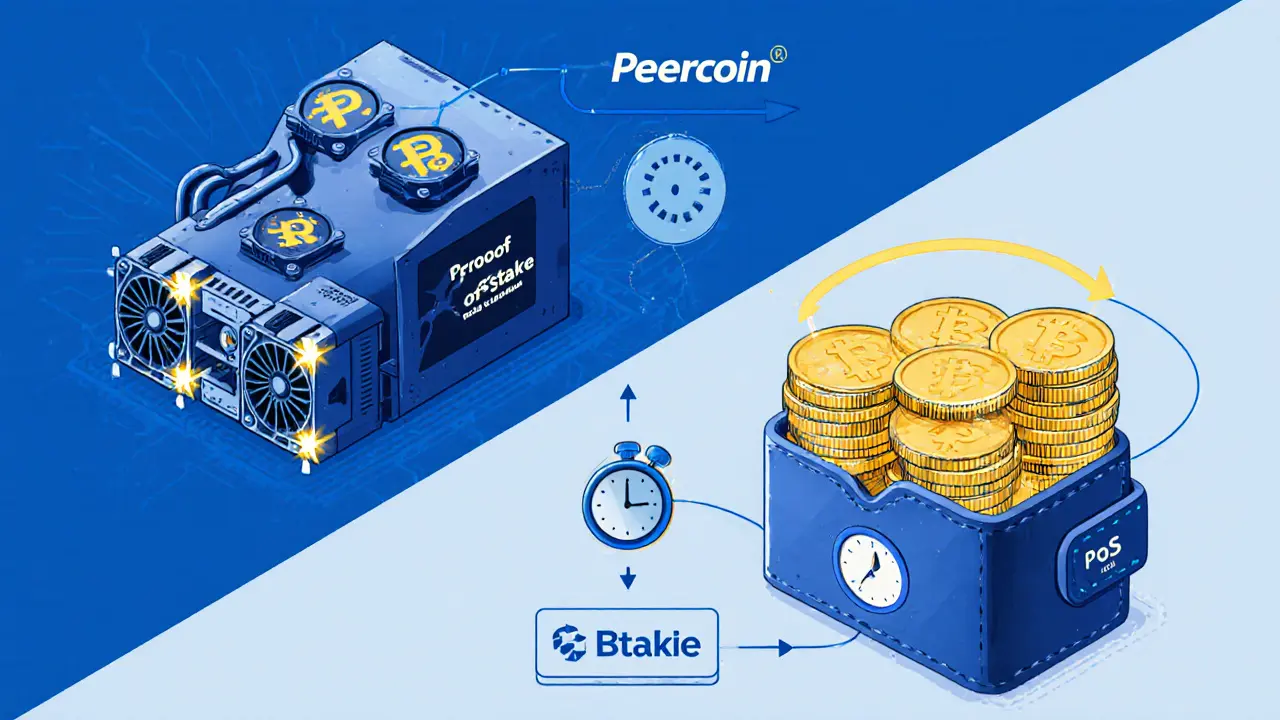
Peercoin (PPC) is the first proof‑of‑stake crypto, combining Bitcoin’s hash with low‑energy staking. Learn how it works, its economics, staking steps, and current market outlook.
Read More