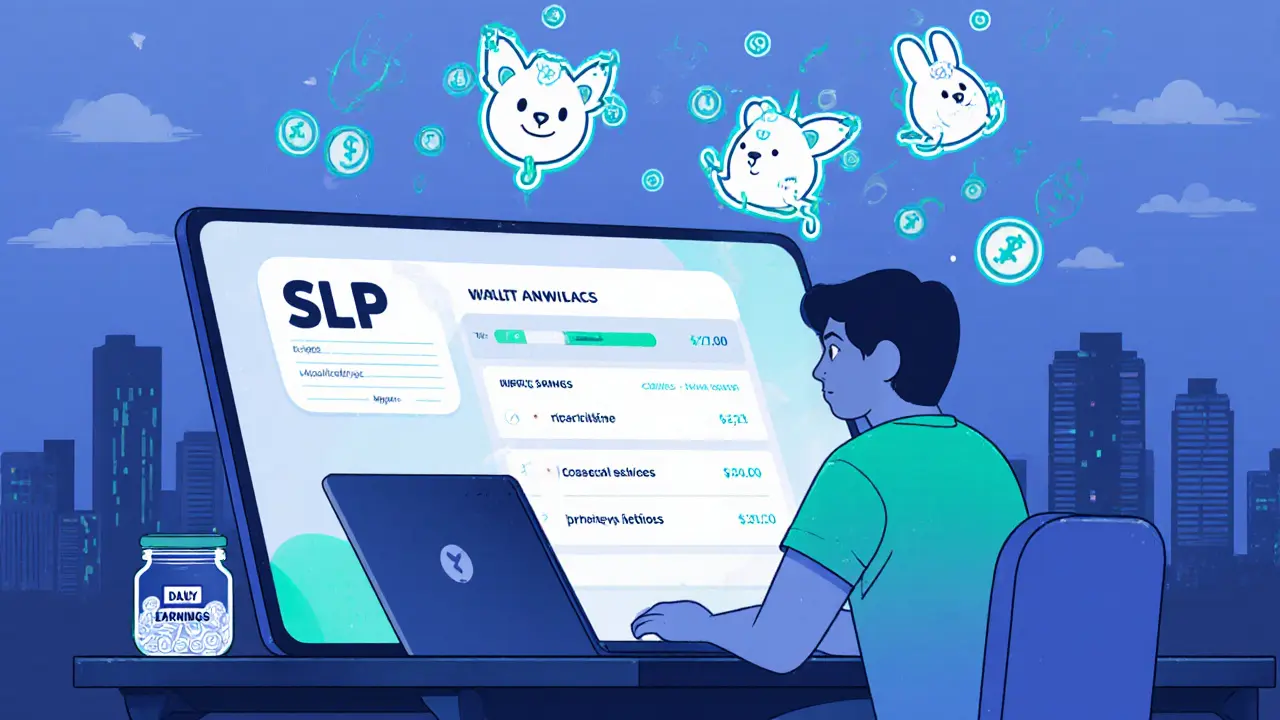
Play-to-Earn Gaming: The Rise of Earnable Game Worlds
When you hear the term Play-to-Earn Gaming, a model that lets players earn blockchain‑based tokens or NFTs by playing, merging gaming with finance. Also known as GameFi, it flips the old “pay‑to‑play” idea on its head and gives gamers a real stake in the games they love.
At its core, GameFi, the intersection of gaming and decentralized finance relies on tokenomics, the design of in‑game token supply, distribution and utility to keep economies healthy. NFTs, unique digital assets that can represent characters, items or land act as scarce rewards and tradable assets, driving player engagement and real‑world value. In short, play-to-earn gaming encompasses token‑based rewards, requires blockchain integration, and is influenced by NFT market dynamics.
Tokenomics isn’t just about creating a shiny coin. It defines how many tokens enter circulation, how they’re earned, and what they can buy inside the game. A well‑balanced model rewards daily activity, battle success, or community contributions without flooding the market. Smart contracts enforce these rules automatically, so players can see exactly how their actions translate into earnings. This transparency builds trust and encourages long‑term participation, turning casual players into vested stakeholders.
Non‑fungible tokens give players true ownership of in‑game items. Unlike traditional games where the developer can revoke a sword or skin at any time, an NFT lives on a public ledger, meaning the player can sell, trade, or lend it on decentralized marketplaces. This ownership layer fuels secondary markets, where rare collectibles can fetch significant crypto, and it also powers cross‑game interoperability—your avatar’s cape could appear in a completely different title if both games support the same token standards.
Real‑world projects illustrate how the pieces fit together. The ARCA token on Legend of Arcadia combines a play‑to‑earn economy with land‑based NFTs, letting players farm resources and sell them for crypto. Miniature Woolly Mammoth (WOOLLY) follows a similar pattern on Ethereum and Solana, rewarding users for breeding and battling digital mammals. Both games use tokenomics dashboards, NFT marketplaces, and regular airdrops to keep incentives fresh, showing how theory becomes playable reality.
Challenges remain. Regulatory bodies scrutinize token sales and in‑game earnings, especially where they blur the line between gaming and securities. Energy costs, especially on proof‑of‑work chains, can make large‑scale play‑to‑earn projects expensive to run. Developers are therefore migrating to proof‑of‑stake networks and exploring layer‑2 solutions to cut fees. Community governance mechanisms also evolve, giving players a say in future updates, which helps align developer decisions with player interests.
Below you’ll find in‑depth guides, reviews, and analyses that break down each of these components, from token design to NFT marketplaces, and show how today’s play‑to‑earn games are reshaping the gaming landscape.
Play-to-earn gaming lets players earn real cryptocurrency by playing blockchain-based games. Learn how tokenomics, NFTs, and player economies create income - and who’s actually making money from it.
Read More
A detailed guide to the Age of Tanks (AOT) CoinMarketCap airdrop, covering the $60k prize pool, 700 guaranteed NFTs, claim steps, game mechanics, and how to maximize the reward.
Read More