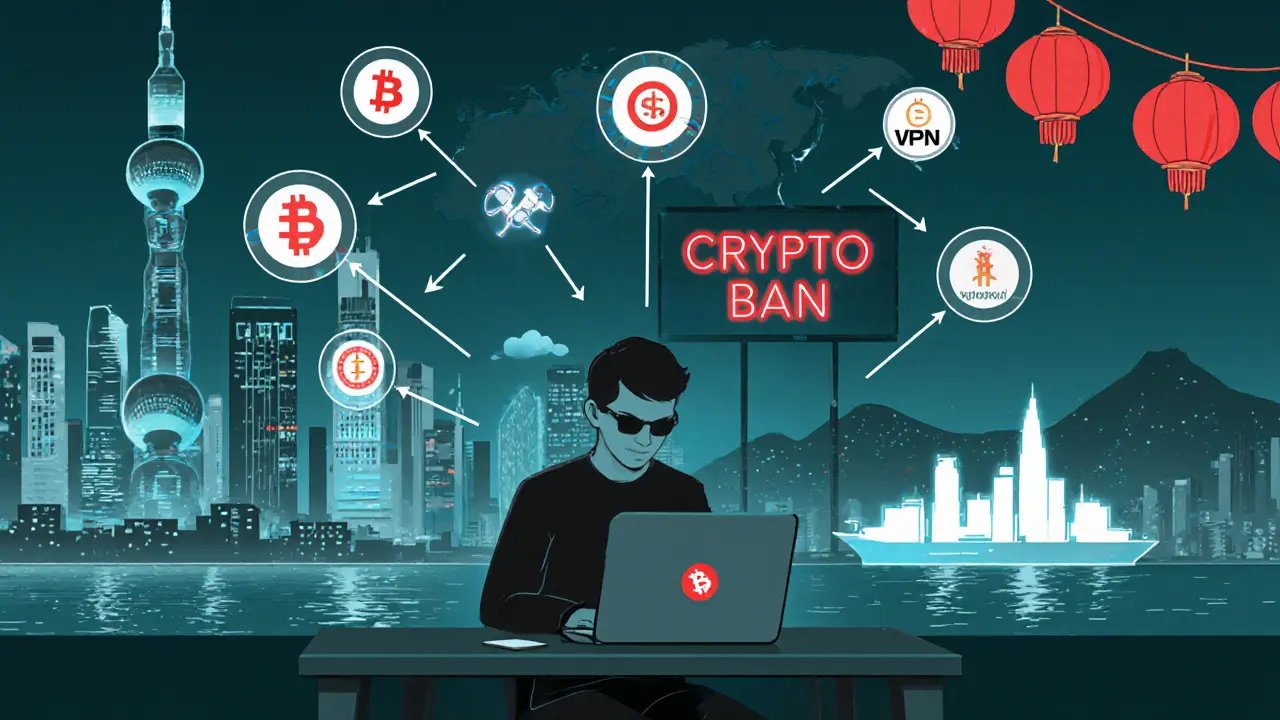
P2P Crypto China
When navigating P2P crypto China, the ecosystem of peer‑to‑peer cryptocurrency trading within the Chinese market. Also known as P2P crypto in China, it blends local demand, strict regulations, and creative work‑arounds to keep cash flowing. The landscape encompasses peer‑to‑peer platforms, online services where users match directly to buy or sell digital assets, while regulatory restrictions, rules imposed by Chinese authorities that limit fiat‑crypto conversions and block many foreign exchanges shape how those platforms operate. Because of those rules, decentralized exchanges, protocol‑based trading venues that don’t rely on a central custodian have become popular alternatives, offering a way around traditional bottlenecks. Together, these entities create a dynamic where users must balance convenience, compliance, and security.
Why the Rules Matter and How Traders Adapt
Chinese authorities view crypto as a financial risk, so they enforce capital‑control policies that affect every P2P transaction. This means regulatory restrictions influence the speed of trades, the choice of payment methods, and the need for verification. Many traders turn to trusted local escrow services to meet compliance while still moving value quickly. Meanwhile, cross‑border flows are often routed through offshore partners or stablecoins to sidestep fiat limits. The result is a hybrid model: on‑chain assets move freely, but the fiat leg still feels the squeeze of government oversight. Understanding this tug‑of‑war helps you pick platforms that prioritize user protection and stay ahead of policy shifts.
Another key piece of the puzzle is the rise of decentralized exchanges as contingency routes. Unlike centralized services that can be blocked with a single IP ban, DEXs run on smart‑contract logic and are harder for regulators to shut down completely. Users connect their wallets directly, trade through automated market makers, and keep custody of their coins. This model reduces reliance on third‑party custodians, which is appealing when trust in traditional exchanges wanes. However, DEXs bring their own challenges: higher gas fees, less liquidity for niche pairs, and the need for self‑custody discipline. Knowing when to swap between a P2P platform and a DEX can save you both time and money.
Beyond the tech, cultural habits shape how Chinese traders behave. Many still prefer cash‑on‑delivery or bank transfers because those methods align with long‑standing payment norms. Peer‑to‑peer matching apps often embed social trust scores, allowing users to gauge counterpart credibility before committing. This social layer compensates for the lack of formal consumer protection and creates a community‑driven risk management system. When you combine these habits with the regulatory backdrop, you see why certain platforms dominate while others quickly fade.
In the collection below you’ll find deep dives into specific exchanges, step‑by‑step guides for navigating Chinese P2P markets, and analysis of how recent policy changes affect everyday traders. Whether you’re looking for a safe escrow service, want to understand the latest dYdX restrictions, or need tips on using decentralized solutions, the articles ahead cover the full spectrum of P2P crypto China. Let’s get into the details.
Despite China's 2021 crypto ban, peer-to-peer trading continues through underground networks using USDT, VPNs, and encrypted apps. Learn how it works, the risks involved, and why it's still growing.
Read More
Explore the hidden world of crypto trading in China, its massive $86B volume, how traders bypass bans, and the legal, financial and operational risks they face.
Read More