NFTs: What They Are and Why They Matter
When talking about NFTs, non‑fungible tokens that represent unique digital assets on a blockchain. Also known as digital collectibles, they let creators prove ownership and scarcity. ERC‑721, the token standard that defines how NFTs are built provides the technical rules, while crypto airdrop, a free distribution of tokens or NFTs to eligible wallets has become a popular way to launch new projects. Finally, blockchain, the decentralized ledger that records every NFT transaction ensures transparency and tamper‑proof ownership.
How NFTs Fit Into the Wider Crypto Landscape
In practice, NFTs sit at the intersection of art, gaming, and finance. They require a blockchain to exist, which means the choice of platform (Ethereum, Polygon, Solana, etc.) influences gas fees, speed, and community support. Tokenomics comes into play when projects decide how many NFTs to mint, what royalties to embed, and how to reward early adopters. A typical airdrop will target existing holders of a project's token, handing out a limited‑edition NFT that can later be sold or used in a game. This creates a feedback loop: more NFTs boost a token’s utility, and a strong token ecosystem fuels demand for new NFTs.
Because NFTs are unique, they also enable new business models. Artists can earn royalties automatically on secondary sales, gamers can own in‑game items that travel across titles, and brands can launch limited‑edition collectibles that double as marketing tools. All of these use cases rely on the same core principles: a non‑fungible identifier, a smart contract that enforces rules, and a blockchain that records provenance.
When evaluating an NFT project, look at three core attributes: the underlying token standard (most use ERC‑721 or ERC‑1155), the supply mechanics (fixed vs. dynamic), and the distribution method (direct sale, mint, or airdrop). Projects that combine a clear tokenomics model with a trusted airdrop strategy often see faster community growth. Conversely, unclear supply rules or questionable airdrop eligibility can raise red flags.
Our collection below reflects the breadth of the NFT space. You’ll find deep dives into specific airdrops, detailed breakdowns of token standards, and practical guides on how to assess the security of NFT marketplaces. Whether you’re a collector hunting the next blue‑chip piece or a developer planning your own token launch, the articles ahead give you the context you need.
Ready to explore real‑world examples and actionable tips? Scroll down to see the full list of NFT‑focused posts, each chosen to help you navigate ownership, value, and risk in the ever‑changing world of digital collectibles.
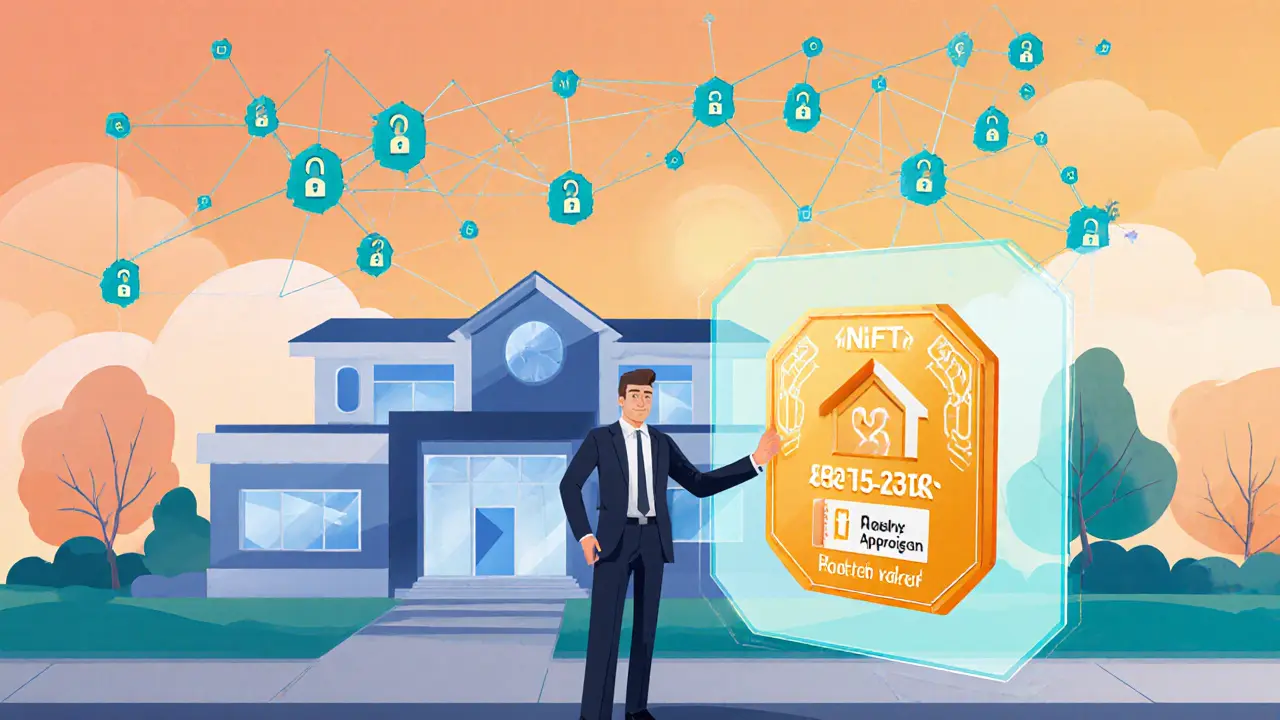
Learn how NFTs turn real estate into digital tokens, enabling fractional ownership, instant transfers, and new investment opportunities while navigating regulatory and technical challenges.
Read More