
Crypto Asset Forfeiture in Nepal: Laws, Penalties & Enforcement
A clear guide on Nepal's crypto asset forfeiture rules, covering legal basis, seizure steps, penalties and practical advice for anyone facing crypto charges.
Read MoreWhen working with Muluki Criminal Code, the comprehensive legal framework governing criminal conduct in Nepal. Also known as the Nepal Penal Code, it sets out definitions, classifications, and punishments for a wide range of offenses. The code Muluki Criminal Code encompasses the core principles of criminal law, requiring interpretation by courts and enforcement by police. It is the backbone of Nepal’s legal system, shaping how crimes are prosecuted and penalties are applied.
The Criminal Procedure Act, the statutory rules that guide investigations, arrests, and trial processes works hand‑in‑hand with the Muluki Criminal Code. While the code defines what constitutes a crime, the Procedure Act tells investigators how to collect evidence and judges how to conduct a fair trial. Together they form a cause‑effect relationship: the code requires procedural safeguards, and the Procedure Act enables those safeguards to be applied in practice. Judicial System, the network of courts interpreting and enforcing the law acts as the final arbiter, turning statutory language into real‑world outcomes. Law enforcement agencies, such as the Nepal Police, rely on both the code’s definitions and the procedural rules to arrest suspects, file charges, and present cases in court.
Understanding the Muluki Criminal Code also means looking at its broader impact on society. The code influences policy debates on sentencing reform, drug regulation, and cybercrime. It shapes public perception of justice because its punishments, from fines to imprisonment, affect everyday citizens. When you read the articles below, you’ll see how the code’s provisions intersect with current topics like cryptocurrency regulations, cross‑border financial crimes, and emerging technology offenses. This collection offers practical examples, from recent case studies to expert analysis, helping you see the code in action. Dive in to discover how Nepal’s criminal law adapts to modern challenges and what that means for legal professionals, policymakers, and anyone navigating the Nepali justice system.
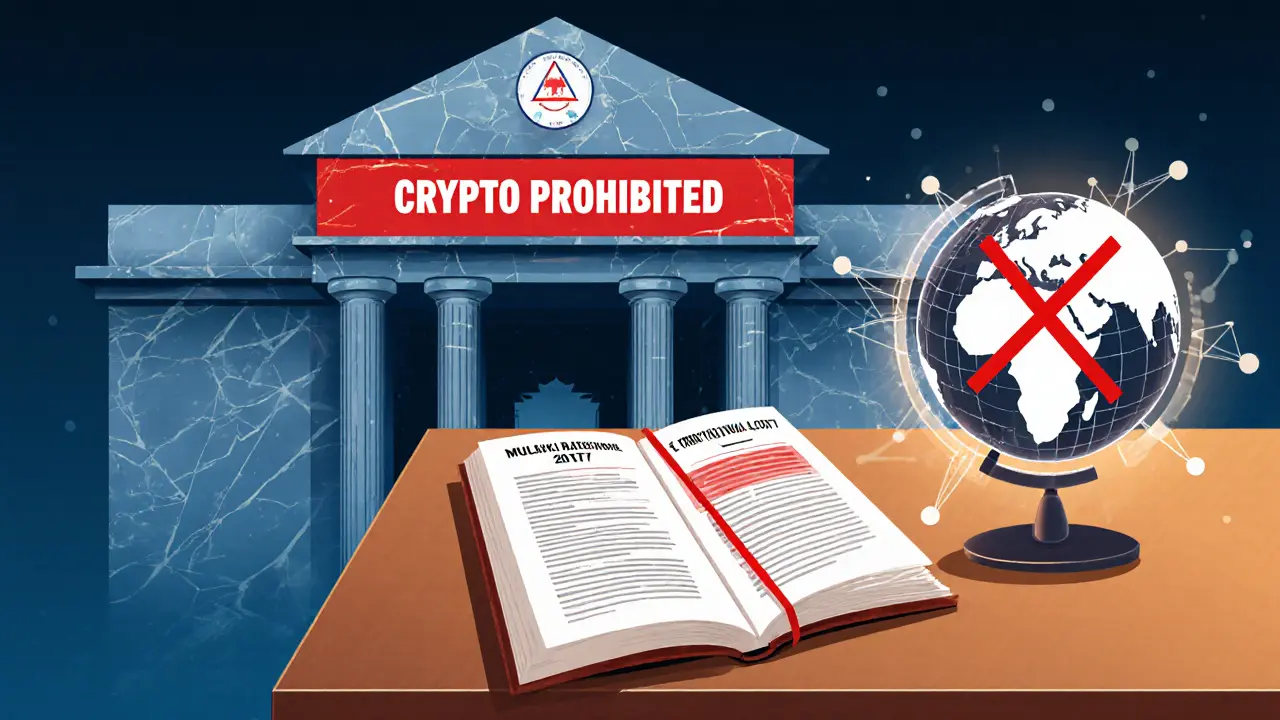
A clear guide on Nepal's crypto asset forfeiture rules, covering legal basis, seizure steps, penalties and practical advice for anyone facing crypto charges.
Read More