Kraken Geographic Restrictions: Where You Can and Can't Trade
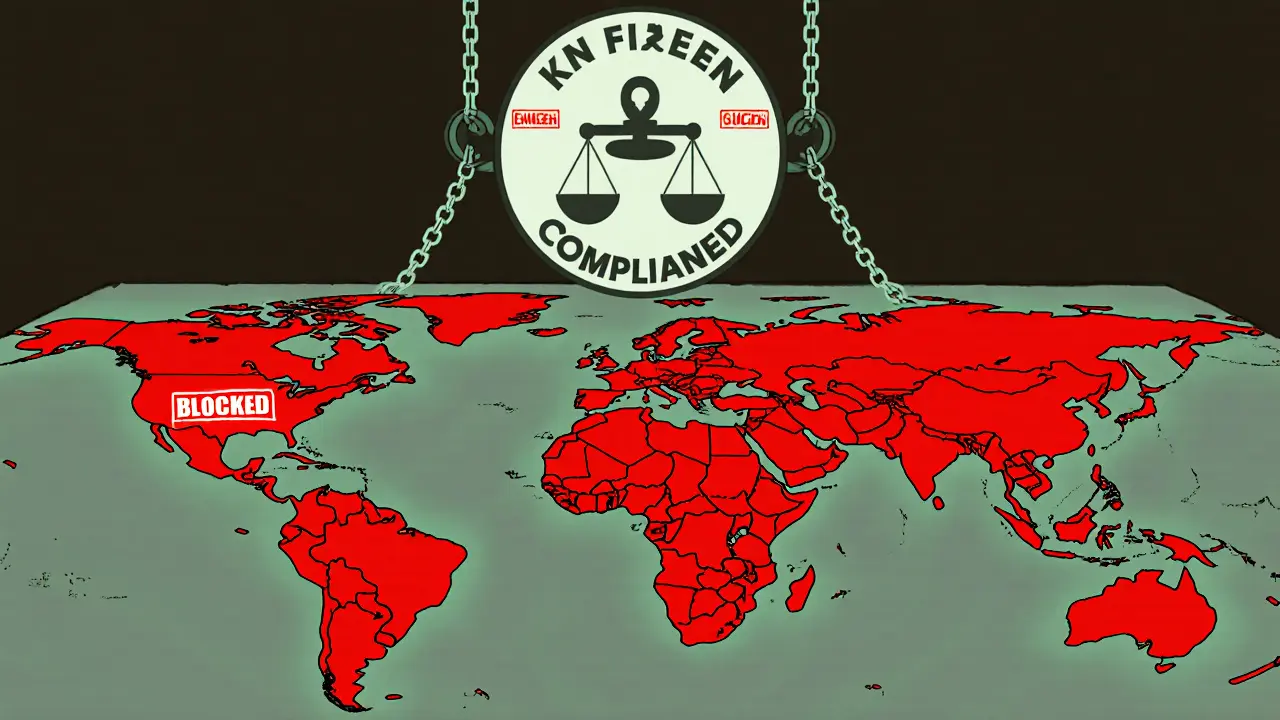
When you sign up for Kraken, a major cryptocurrency exchange known for low fees and strong security. Also known as Kraken Exchange, it's one of the most trusted platforms for trading Bitcoin, Ethereum, and altcoins. But here's the catch: Kraken doesn't let everyone in. Kraken geographic restrictions block users from over 60 countries and regions, including the U.S. states like New York and Hawaii, parts of Asia, and several countries in Africa and the Middle East. These aren't random rules—they're tied to local crypto laws, licensing requirements, and regulatory pressure.
Why does this matter? If you're in a restricted area, you won't be able to deposit funds, trade, or even create an account. Kraken checks your IP, ID, and sometimes your bank details to enforce these limits. It's not just about compliance—it's about survival. In places like China, crypto trading is outright banned. In others, like Canada or Germany, Kraken operates under strict rules that limit which coins you can trade or how fast you can withdraw. Even within the U.S., Kraken had to pull back from certain states because they didn't meet state-specific money transmitter licenses. This isn't unique to Kraken—Coinbase, another top crypto exchange. Also known as Coinbase Pro, it faces similar geographic limits, but Kraken's restrictions are often stricter, especially for derivatives and margin trading.
These rules don't just affect your access—they shape your entire crypto experience. If you're blocked from Kraken, you might be forced onto lesser-known exchanges with higher fees, worse security, or no customer support. Some users try to bypass restrictions with VPNs, but that’s risky. Kraken can freeze your account, and you could lose access to your funds permanently. The real solution? Know your jurisdiction’s rules. Countries like Cyprus, Japan, and Australia have clear crypto frameworks that let Kraken operate legally. Meanwhile, places like Nepal and Bangladesh have outright bans on crypto trading, which means Kraken simply won’t allow signups. Understanding these jurisdiction crypto rules, how different countries regulate digital assets based on local laws. Also known as crypto legal status, it's the foundation of where you can trade isn’t just smart—it’s essential.
What you’ll find below are real stories and reviews from people who ran into Kraken’s walls. Some got locked out after moving countries. Others tried to trade from places where Kraken doesn’t officially exist—and lost money trying. There are also guides on how to spot if you’re in a restricted zone before you sign up, and what to do if you’re already blocked. This isn’t theory. It’s what happens when global crypto meets local law—and why your location can make or break your trading strategy.
Kraken blocks crypto trading in 14 countries and imposes strict rules in the U.S., Europe, Australia, and Japan due to regulatory compliance. Learn which coins are banned, why stablecoins were delisted in Europe, and how Kraken tracks your location.
Read More