
Understanding the Kimchi Premium and Its Role in the Korean Crypto Market
Explore why cryptocurrencies trade at higher prices in South Korea, how the Kimchi premium is calculated, and what it means for traders and regulators in 2025.
Read MoreWhen you explore Korean crypto market, the ecosystem of digital assets, platforms, and investors operating in South Korea. Also known as South Korean crypto scene, it has become one of the world’s most liquid crypto hubs. The market Korean crypto market encompasses a dense network of crypto exchanges, online services that match buyers and sellers of crypto assets and a regulatory environment, government policies that dictate licensing, reporting, and consumer protection rules. Together they drive daily trading volumes that regularly hit several billion dollars, a figure that rivals many Western markets. This combination of high liquidity and clear oversight also fuels a vibrant airdrop culture, where projects target Korean traders with token giveaways to boost adoption. Understanding how these pieces fit helps you gauge risk, spot opportunities, and comply with local rules.
One major driver is the prevalence of trading strategies, methods like margin trading, short selling, and algorithmic bots that Korean investors use to leverage market moves. Because exchanges such as Upbit, Bithumb, and Coinone offer low‑fee margin products, traders can amplify gains but also face heightened liquidation risk. The regulatory environment mitigates some of that risk by requiring real‑name verification and imposing caps on leverage, which in turn shapes the kinds of strategies that thrive. Meanwhile, airdrop campaigns often hinge on users holding specific tokens on these platforms, linking promotional incentives directly to exchange activity. This creates a feedback loop: a successful airdrop boosts exchange traffic, which then attracts more projects seeking Korean exposure.
For investors, the practical takeaway is to align platform choice with strategy and compliance goals. If you favor high‑frequency trading, look for exchanges that support API access, robust order‑book depth, and transparent fee schedules. If you’re chasing airdrop rewards, monitor official project channels and the eligibility rules that often demand KYC‑verified accounts on Korean exchanges. Finally, stay current on regulatory updates—new licensing requirements or tax guidelines can instantly shift the profitability of a given approach. Below you’ll find a curated set of articles that dive deeper into exchange reviews, airdrop details, and advanced trading tactics tailored to the Korean crypto market.
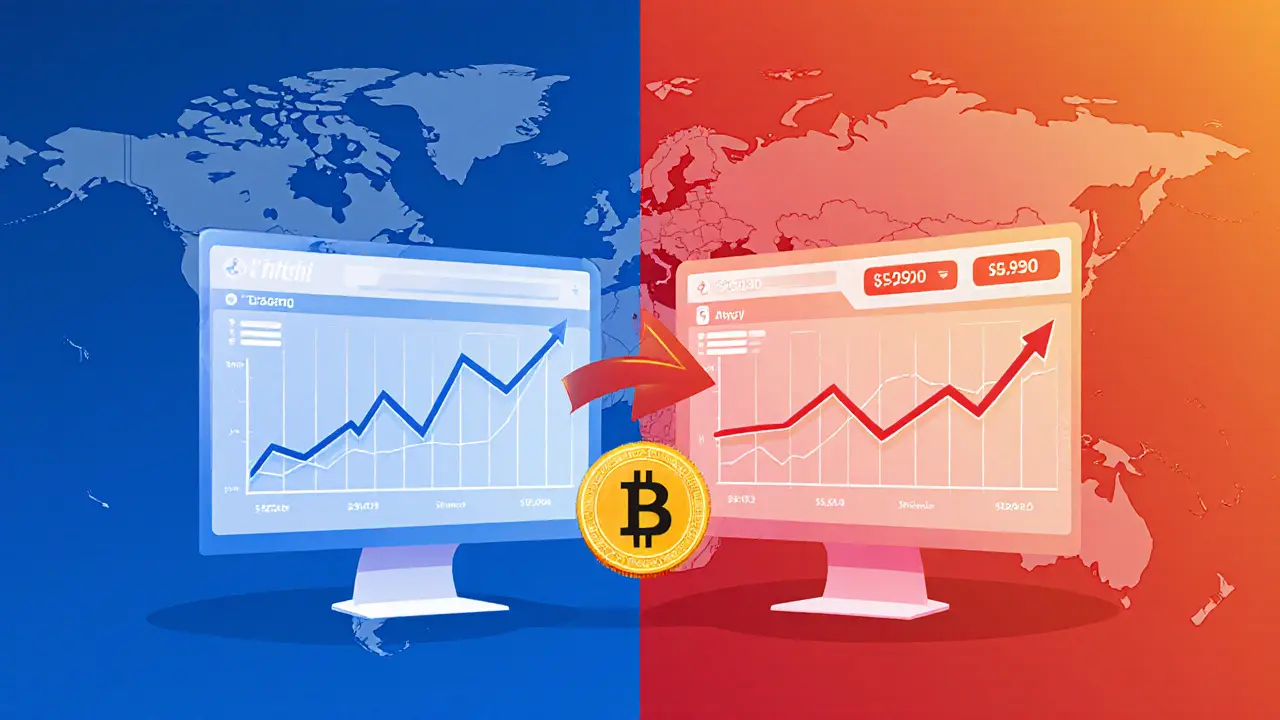
Explore why cryptocurrencies trade at higher prices in South Korea, how the Kimchi premium is calculated, and what it means for traders and regulators in 2025.
Read More