Fractional Ownership: A Practical Guide for Crypto Investors
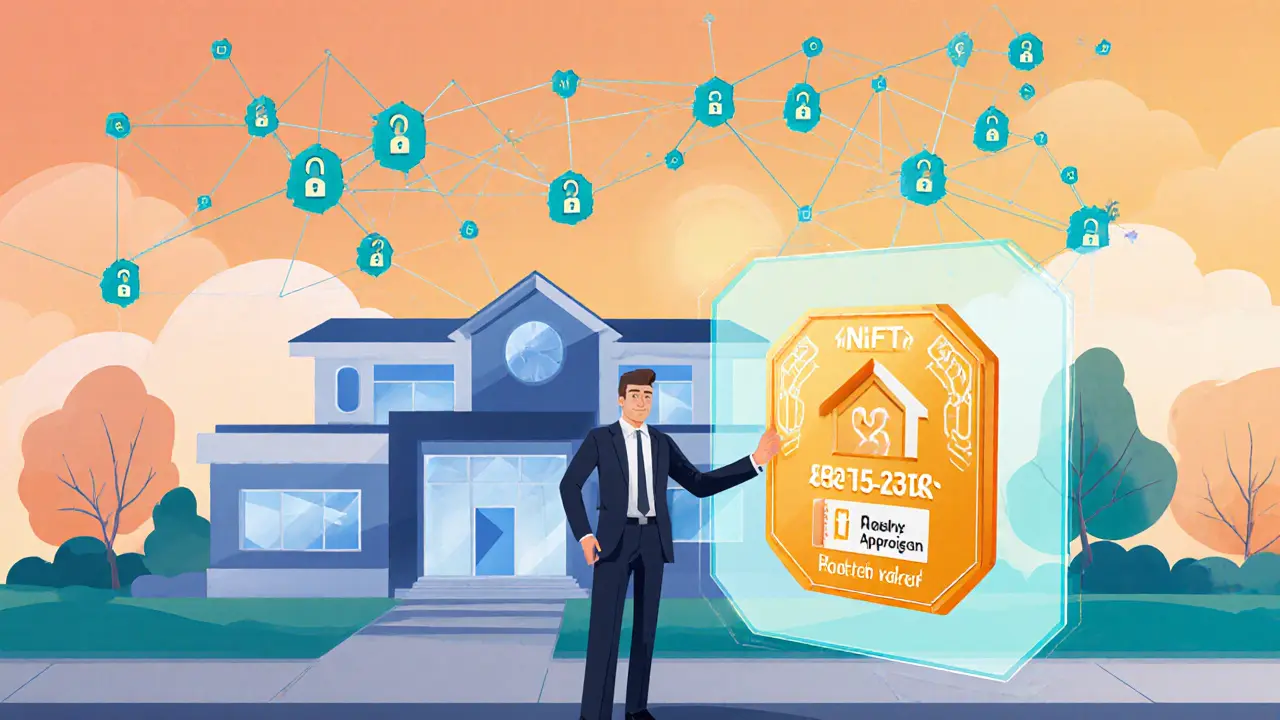
When talking about fractional ownership, the practice of buying a piece of a high‑value asset instead of the whole thing, you’re really looking at a new way to spread risk and access markets that were once out of reach. It’s also called partial ownership, and it leans on blockchain tech to record who owns what. Two other concepts make this possible: tokenized assets, real‑world items turned into digital tokens that can be divided and traded and DeFi platforms, decentralized finance services that let anyone lend, borrow or swap tokens without a bank. Together, they let you own a slice of a pricey artwork, a share of a tokenized stock, or even a piece of a luxury real‑estate project without needing a million dollars upfront.
Why Fractional Ownership Is Changing the Game
First, fractional ownership opens doors for small investors. Instead of waiting years to save enough for a full property, you can buy a 0.1% stake today and watch its value move with the market. Second, the model brings liquidity to assets that were traditionally illiquid. Tokenized assets turn a static, hard‑to‑sell item into a tradable token, and DeFi protocols provide instant markets for those tokens. Third, NFTs (non‑fungible tokens) add a layer of uniqueness. Some projects sell NFT fractions, letting dozens of people share ownership of a single digital artwork while each holder retains a provable claim on the piece.
These relationships form a clear chain: Tokenized assets provide the underlying units, DeFi platforms enable trading those units, and Crypto exchanges list the tokens so you can buy or sell them with a few clicks. In practice, you might see a tokenized share of a startup listed on a decentralized exchange, while a separate platform lets you stake that token and earn interest.
Real‑world examples are popping up fast. A tokenized gold fund lets you own a gram of gold for the price of a cup of coffee. A blockchain‑based real‑estate project sells 1% slices of a skyscraper, and investors receive rental income proportional to their share. Even classic cars are being tokenized, allowing fans to own a piece of a vintage Mustang and trade it as easily as a stock. All of these scenarios rely on the same core idea: splitting ownership into digital pieces that anyone can hold in a wallet.What ties them together is trust. Blockchain’s immutable ledger records every transaction, so you can verify your ownership at any time without a middleman. Smart contracts automate payouts, enforce rules, and prevent fraud. Because the data lives on a public network, regulatory bodies can audit tokenized securities more transparently than traditional paper certificates.
Below you’ll find a hand‑picked collection of articles that dive deeper into each aspect of fractional ownership. From exchange reviews that highlight which platforms support tokenized assets, to guides on how NFTs can be sold in pieces, the posts answer the most common questions and give you actionable steps to get started. Whether you’re a beginner curious about buying a fraction of Bitcoin, an experienced trader looking for the best DeFi yield strategies, or simply interested in the future of asset ownership, the resources here will help you move forward with confidence.
Learn how NFTs turn real estate into digital tokens, enabling fractional ownership, instant transfers, and new investment opportunities while navigating regulatory and technical challenges.
Read More