Fake Crypto Exchange: How to Spot and Avoid Scam Platforms
When you hear about a new fake crypto exchange, a platform that pretends to let you trade cryptocurrencies but is designed to steal your funds. Also known as crypto scam exchange, it often looks real—clean website, fake testimonials, even a whitepaper—but it has no licenses, no real team, and no way to withdraw your coins. These platforms aren’t just annoying—they’re dangerous. In 2024 alone, over $1.2 billion was lost to fake exchanges, according to Chainalysis. And most victims didn’t realize they were scammed until it was too late.
What makes a crypto scam, a fraudulent scheme designed to trick users into depositing funds with no intention of returning them. Also known as crypto fraud, it often uses urgency, fake celebrity endorsements, or promises of guaranteed returns. You’ll see ads for "limited-time airdrops" like the fake IMM token or Coinviva, which don’t exist. Or you’ll get emails saying your account is locked unless you send crypto to "verify" it. Real exchanges like Kyrrex or Kraken don’t do that. They never ask for your private keys. They never pressure you. They’re transparent about where they’re licensed and who runs them.
Then there’s the unregulated exchange, a crypto trading platform that operates without oversight from financial authorities like FinCEN or MiCA. Also known as offshore exchange, it often hides behind vague locations like "registered in the Caymans" with no public address or contact info. Platforms like BitBegin or Almeedex might sound legit because they mention local regulations—but if you can’t find their license number, their team names, or their physical office, walk away. GCOX and OPNX shut down because they never had real users. Coinviva? No website, no history, no trace. These aren’t startups—they’re digital ghosts.
You’ll also run into fake airdrops tied to these exchanges. The IMM airdrop? Doesn’t exist. The Caduceus CMP airdrop? Paid out pennies and vanished. Real airdrops like ASK from Permission.io come from known teams with verifiable projects. They don’t ask you to send crypto to claim free tokens. They don’t need your wallet password. They don’t disappear after the drop.
How do you protect yourself? Check if the exchange is on trusted lists like CoinMarketCap or CoinGecko. Look for clear regulatory status—Kyrrex has FinCEN registration, Kraken follows MiCA. If the site has no About page, no team photos, no support email, or only a Telegram chat? That’s a red flag. And if the trading volume looks too good to be true? It is. Real exchanges don’t fake volume. They earn it.
There’s no magic trick to spotting a fake crypto exchange. It’s about asking the right questions. Who owns this? Where are they based? Can I withdraw my money? Is there a real audit? If the answers are fuzzy, silent, or pushy, you’re already in danger. The scammers count on you being in a hurry, excited, or scared. Don’t let them win.
Below, you’ll find real reviews of platforms that turned out to be scams, and others that actually play by the rules. No fluff. No hype. Just facts about what happened, who got burned, and how to avoid the same fate.
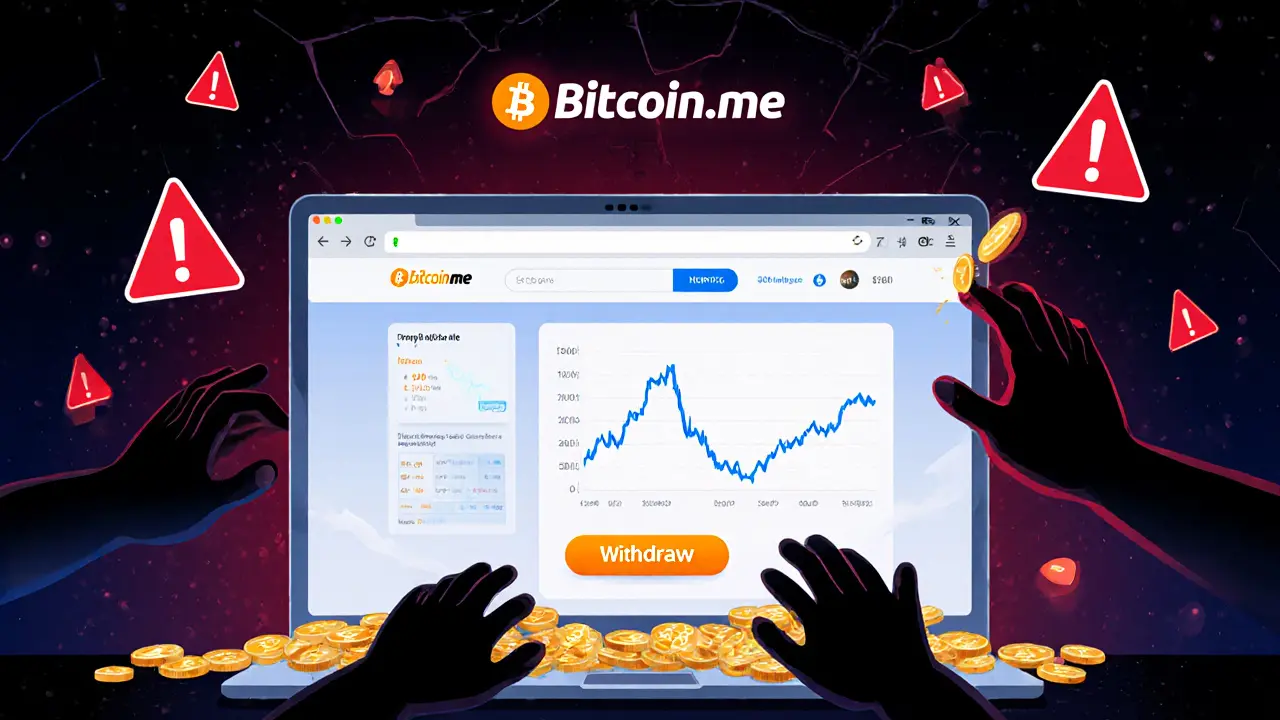
Bitcoin.me is not a legitimate crypto exchange - it's a scam site designed to steal cryptocurrency. No regulatory oversight, no security features, and users are already reporting losses. Avoid it at all costs.
Read More
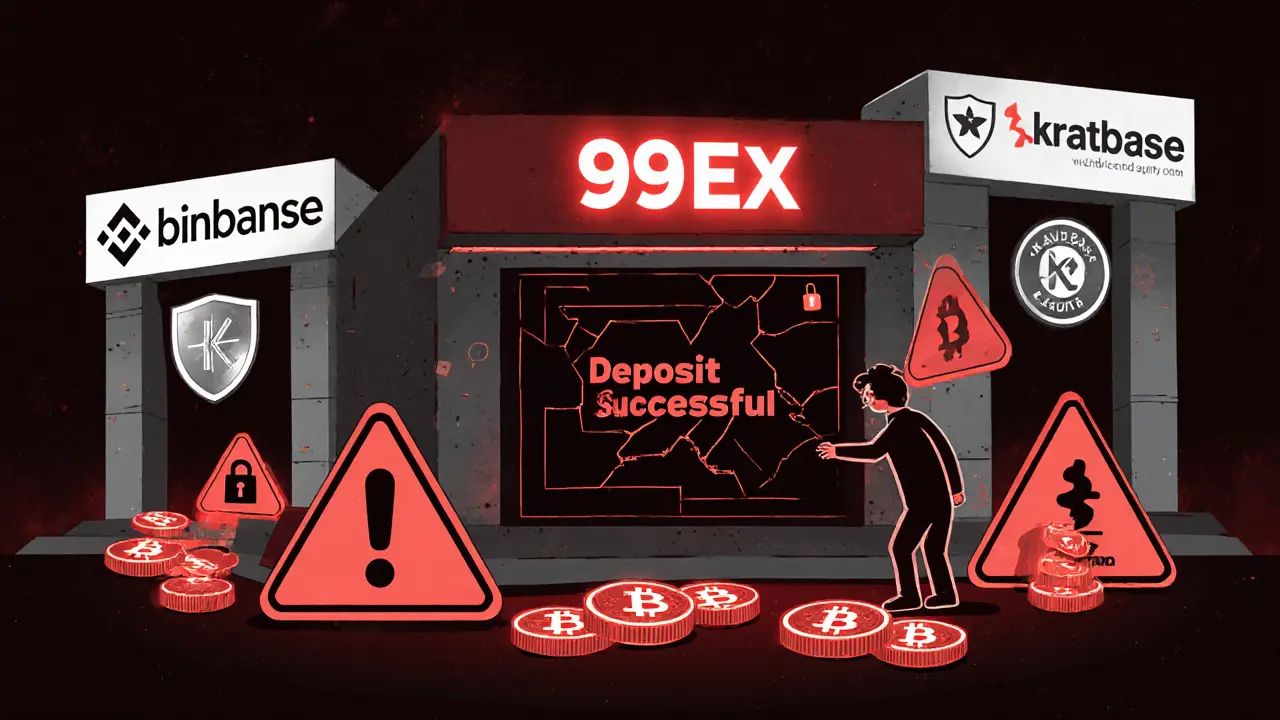
99Ex is not a real crypto exchange - it's a scam. No audits, no reviews, no legitimacy. Learn how these fake platforms work and which exchanges are actually safe to use in 2025.
Read More