
Australia's 2025 Crypto Consumer Protection Rules Explained
A clear guide to Australia's new 2025 crypto consumer protection rules, licensing requirements, exemptions, and practical steps for traders.
Read MoreWhen working with digital asset licensing, the official permission needed to issue, trade, or manage blockchain‑based tokens and cryptocurrencies. Also known as crypto licence, it sets the legal groundwork for anyone wanting to run a token sale, a crypto exchange, or a digital asset platform. Think of it like a driver’s licence for the crypto world – without it, you can’t legally hit the road.
Most licenses fall into a few buckets. crypto exchange licensing, government approval that lets a platform match buyers and sellers of digital assets is the most visible because exchanges handle the highest volume of trades. Then there are digital asset platform licences, which cover token issuers, custodians and DeFi services. Each jurisdiction writes its own rulebook – the UK leans on the FCA, the US splits oversight between the SEC and state regulators, while Australia puts the ASIC, Australia’s Securities and Investments Commission in charge of crypto‑related activities. The common thread? You must prove you have AML/KYC controls, sufficient capital, transparent governance and a plan to report suspicious activity. Skipping any of these steps can mean a heavy fine, a forced shutdown, or even criminal charges.
Why does this matter right now? Recent headlines show regulators tightening the net. Australia’s new consumer‑protection rules, for example, require every crypto service provider to hold an ASIC‑issued licence and follow strict disclosure standards – a shift that directly impacts the projects we cover, from tokenized stocks to stablecoins. Across the Pacific, the U.S. Office of OFAC, the sanctions authority whose listings can block or reshape licensing pathways has lifted some restrictions, opening new doors for Syrian crypto users but also forcing firms to re‑audit their sanction‑screening processes. All these moves reshape the cost, timeline, and strategic decisions behind getting a licence. Below you’ll find deep‑dive reviews of exchanges, guides on how Australian licensing works, and explanations of token‑specific licences like the silver‑backed XAGX stablecoin. Together they give you a practical roadmap for navigating the ever‑moving terrain of digital asset licensing.
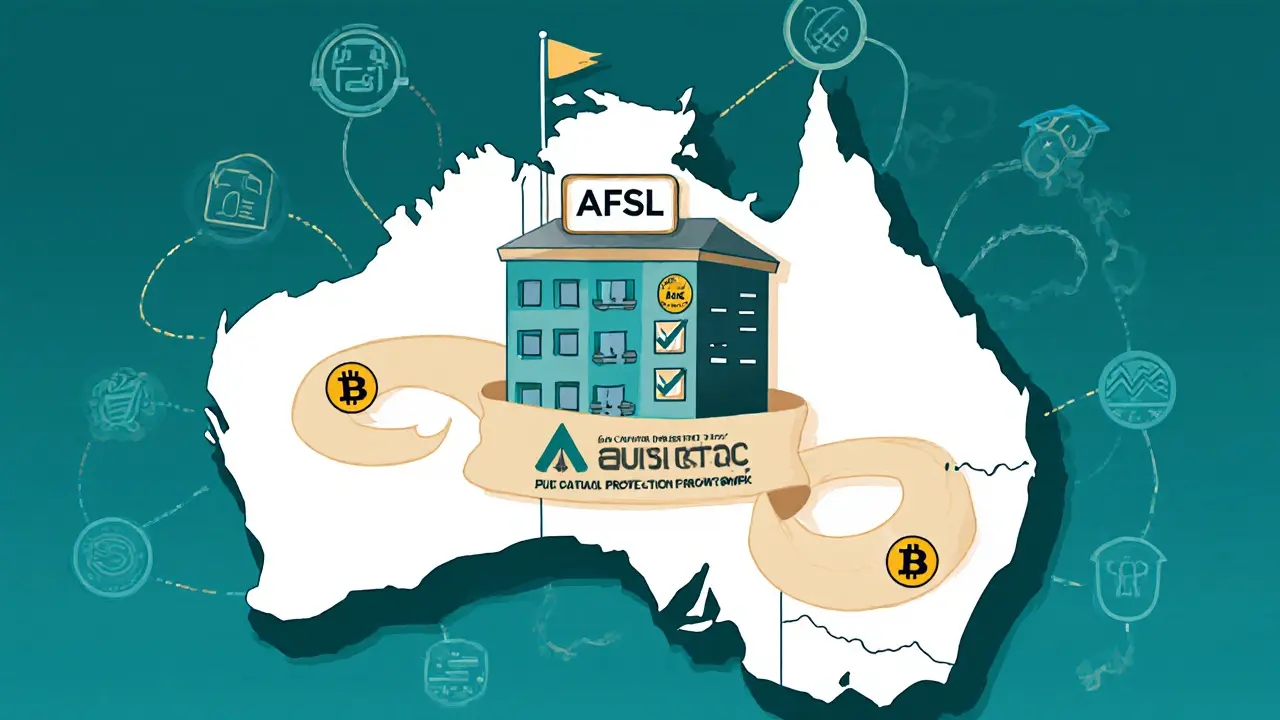
A clear guide to Australia's new 2025 crypto consumer protection rules, licensing requirements, exemptions, and practical steps for traders.
Read More