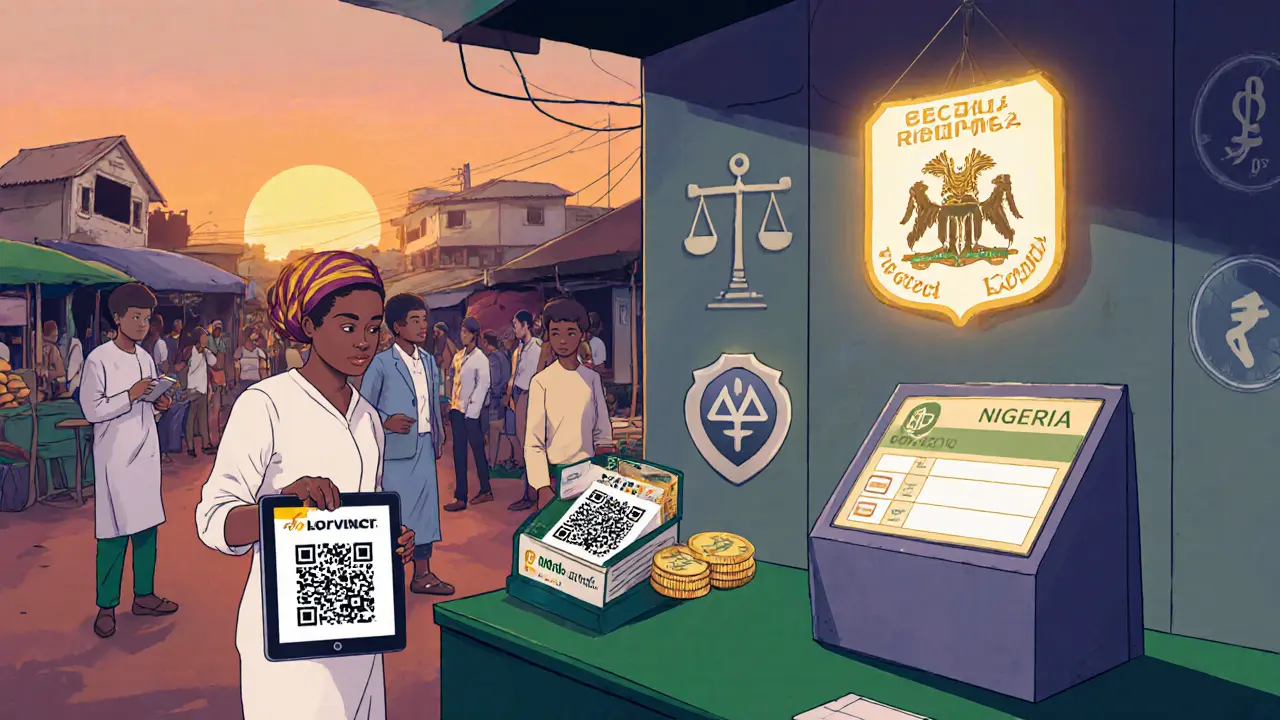
Cryptocurrency Legality in Nigeria: What You Need to Know in 2025
When it comes to cryptocurrency legality in Nigeria, the legal status of digital currencies like Bitcoin and USDT under Nigerian law. Also known as crypto regulation in Nigeria, it's a messy mix of official bans, unofficial acceptance, and millions of people trading anyway. The Central Bank of Nigeria (CBN) banned banks from handling crypto transactions back in 2021. But that didn’t stop Nigerians—it just pushed trading underground, into P2P apps and decentralized platforms.
Here’s the truth: Nigeria’s crypto market, the largest and most active in Africa, driven by inflation, currency devaluation, and a young, tech-savvy population. Also known as Nigerian crypto adoption, it’s not just a trend—it’s a survival tool for millions who can’t access traditional banking or whose savings are being eaten by naira depreciation. You won’t find a single Nigerian bank openly supporting crypto, but you’ll find hundreds of thousands using Binance P2P, YellowCard, and Paxful to buy Bitcoin with Naira in minutes. These platforms don’t rely on banks—they use mobile money, bank transfers between individuals, and cash deposits. It’s peer-to-peer trading at scale, and it works because the system it’s replacing is broken.
Binance P2P, the dominant platform for crypto trading in Nigeria, offering direct peer-to-peer trades with Naira. Also known as Naira-to-crypto trading, it’s the lifeline for Nigerians who need to protect their income from inflation or send money abroad without high fees. The government has tried to shut it down—arresting traders, pressuring payment processors, and threatening fines—but the demand won’t die. Why? Because when your salary loses 30% of its value in a month, crypto isn’t a gamble—it’s a necessity.
So is crypto legal in Nigeria? Officially, no. Practically? Yes, and growing. The CBN’s ban only applies to financial institutions, not individuals. That loophole is why trading thrives. You won’t get arrested for buying Bitcoin on Binance P2P—but you might if you’re running a crypto exchange without a license. The line is blurry, but millions walk it every day.
What you’ll find below are real stories and practical guides on how Nigerians are trading crypto in 2025, the platforms they trust, the risks they face, and how to stay safe when the rules keep changing. This isn’t theory—it’s what’s happening on the ground, right now.
As of 2025, crypto payments are legal in Nigeria under strict SEC regulations. While not legal tender, crypto is recognized as a security, taxed on profits, and supported by licensed exchanges and banks.
Read More