
MorCrypto Crypto Exchange Review: Fees, Security, and How It Stacks Up
A detailed review of MorCrypto crypto exchange covering fees, security, supported assets, user experience, and how it compares to leading platforms.
Read MoreWhen you work with cryptocurrency exchange, a platform that lets you buy, sell, or trade digital assets. Also known as crypto exchange, it serves as the gateway for anyone wanting to move money in the crypto space.
One of the first things to consider is exchange fees, the costs you pay for each trade, withdrawal, or deposit. Fees can vary dramatically from a flat rate to a percentage that changes with volume, so understanding them helps you keep more of your profit. Next up is exchange security, the measures an exchange uses to protect user funds, such as cold storage, 2FA, and insurance. A platform with weak security can lead to hacks that wipe out your balance, making security a non‑negotiable factor. Finally, exchange regulation, the legal framework governing how exchanges operate in different jurisdictions impacts everything from KYC requirements to the ability to withdraw large sums. Together these three pillars shape the overall reliability of any exchange you choose.
Why does this matter now? 2025 has seen a surge in new platforms, each promising ultra‑low fees or exotic token listings. At the same time, high‑profile scams like the AOFEX collapse remind us that not every promise is trustworthy. By parsing fee structures, checking security audits, and verifying regulatory status, you can filter out the noise and focus on exchanges that actually deliver value. For instance, a review of Coinmetro highlighted its licensing in Estonia and multi‑layer security, while the Dsdaq analysis pointed out higher fees but unique collateral‑trading options. Such side‑by‑side comparisons let you match an exchange’s strengths to your trading style—whether you’re a margin‑trading veteran or a casual investor.
Start with your trading goals. If you plan to do high‑frequency swaps, look for platforms with sub‑cent per‑trade fees and fast settlement. If you’re more interested in holding NFTs or tokenized stocks, ensure the exchange lists those assets and offers a user‑friendly wallet interface. Security checks should include reading third‑party audit reports and confirming that the exchange stores the majority of assets offline. Regulatory compliance isn’t just a legal checkbox; it often dictates whether you can use fiat deposits, what verification documents you’ll need, and how quickly you can move money out of the platform. By aligning these factors with your personal risk tolerance, you build a solid foundation for any crypto journey.
In the collection below you’ll find deep‑dive reviews of the most talked‑about platforms, side‑by‑side fee tables, security evaluations, and real‑world case studies of exchange failures. Whether you’re hunting for the cheapest trades, the safest vault, or a regulated hub for fiat on‑ramps, the articles ahead break down the data you need to decide.
cryptocurrency exchange insights don’t stop at theory—our guides give you actionable steps to vet, compare, and start trading with confidence. Dive in and see which platform matches your needs.

A detailed review of MorCrypto crypto exchange covering fees, security, supported assets, user experience, and how it compares to leading platforms.
Read More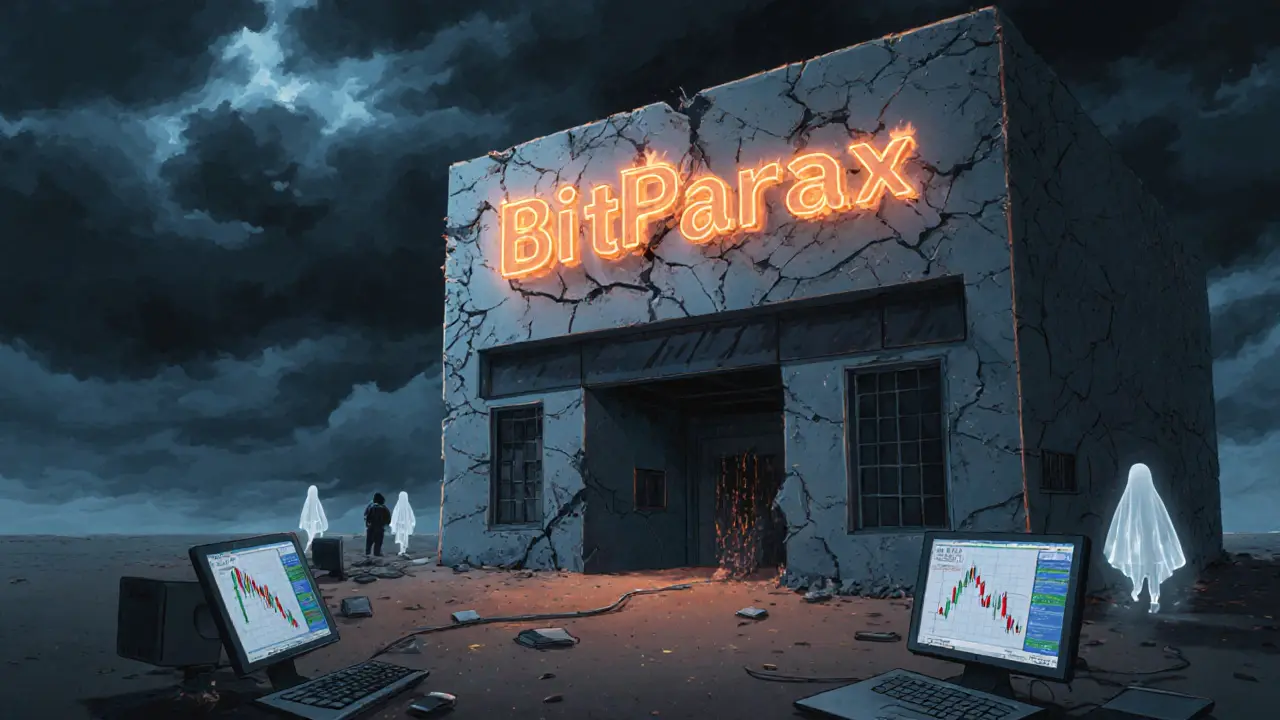
A detailed review of BitParax Exchange, its shutdown, risks of unregulated crypto platforms, and how to choose a safe exchange.
Read More
A comprehensive review of Hologo crypto exchange covering security, fees, supported assets, user experience, and regulatory standing for traders in 2025.
Read More