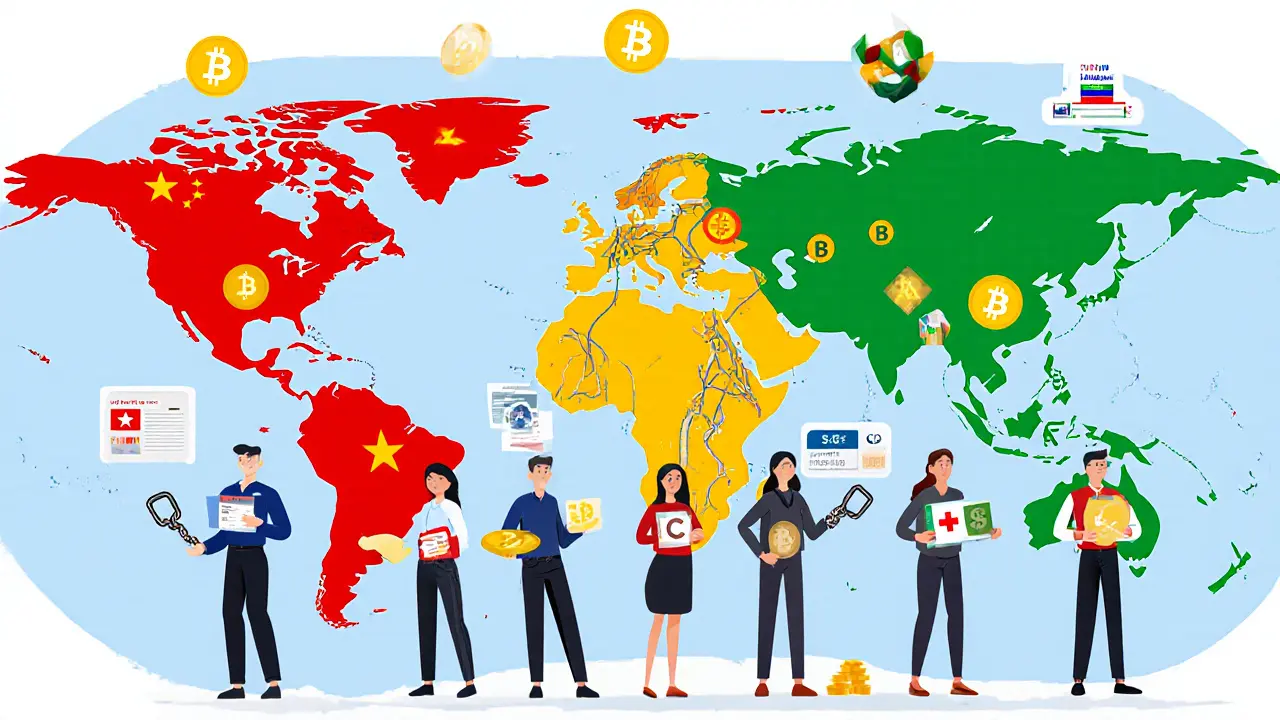
Crypto Regulations: Global Rules Shaping the Crypto Landscape
Crypto Regulations shape the way digital assets operate worldwide. When working with Crypto Regulations, the body of laws, guidelines, and policies that govern creation, trading, and use of cryptocurrencies. Also known as cryptocurrency regulation, it determines who can offer services, what taxes apply, and how investors stay protected. One of the first pillars is Exchange Licensing, mandatory permits and compliance checks that crypto platforms must obtain to operate legally, which directly influences market access and trust.
Another core pillar is Mining Legislation, rules that define where, how, and under what conditions crypto mining can take place. Countries like Russia have recently legalized mining to generate state revenue, while Kosovo imposed a ban to protect its fragile power grid. These laws intersect with AML Rules, anti‑money‑laundering standards that require reporting, identity verification, and transaction monitoring. The triple "Crypto Regulations require AML compliance, while mining legislation determines the sources of hash power" illustrates how the three elements form an enforcement loop.
Geographic Restrictions and Decentralized Platforms
Geographic Restrictions, limits imposed by regulators that block users from certain countries from accessing crypto services are becoming standard after high‑profile cases like dYdX denying access to regions despite its decentralized label. This shows the semantic link: "Crypto Regulations impose geographic restrictions, which in turn shape decentralized exchange availability." Even platforms claiming full decentralization must navigate local compliance, or risk being black‑listed, a reality echoed across many exchange reviews on our site.
Regulatory approaches differ sharply across regions. China’s underground trading scene, with its $86 B volume, illustrates how strict bans push activity into peer‑to‑peer networks, raising legal and financial risk. Meanwhile, the European Union pushes a unified framework that standardizes AML and consumer protection, making cross‑border trading smoother. Russia’s mining law, Kosovo’s ban, and the United States’ focus on securities classification create a patchwork where every jurisdiction adds a new rule to the global puzzle.
For traders, this patchwork means staying vigilant about which exchanges meet licensing standards, which mining operations comply with local energy policies, and how geographic blocks affect account creation. Our detailed exchange reviews—covering platforms like MorCrypto, Coinmetro, and BitParax—highlight licensing status, fee structures, and security measures, helping you match a service to the regulatory climate you face.
Beyond compliance, regulations also drive innovation. Nations that grant clear mining licenses attract hardware investment, while regions with transparent AML guidelines see more institutional participation. The interaction between Crypto Regulations, licensing, and market incentives creates a feedback loop: better rules invite capital, which pressures regulators to refine their policies.
Looking ahead, the industry can expect tighter reporting standards, more cross‑border cooperation, and possibly a global baseline for exchange licensing. Keeping an eye on emerging bills—especially those targeting stablecoins and DeFi protocols—will help you anticipate shifts before they hit your portfolio.
Below you’ll find a curated collection of articles that unpack these themes in depth: from country‑specific bans and licensing reviews to mining law analyses and how geographic restrictions affect decentralized platforms. Dive in to see practical guidance, real‑world examples, and actionable steps you can take right now.
Crypto laws vary wildly by country in 2025. From 30% taxes in India to outright bans in China, knowing your jurisdiction’s rules isn't optional-it's essential to avoid fines, seizures, or criminal charges.
Read More
Explore how the 2025 OFAC sanctions relief reshapes cryptocurrency access for Syrian users, covering new licenses, compliance challenges, mining equipment export, and future regulatory outlook.
Read More