
Understanding the Kimchi Premium and Its Role in the Korean Crypto Market
Explore why cryptocurrencies trade at higher prices in South Korea, how the Kimchi premium is calculated, and what it means for traders and regulators in 2025.
Read MoreWhen navigating crypto regulation, the collection of laws, rules, and policies that govern digital assets worldwide. Also called crypto law, it decides how exchanges can operate, what sanctions apply, and how exchange compliance, the process exchanges follow to meet legal standards is enforced. Sanctions, government measures that restrict financial activities with certain countries or entities shape which markets stay open, while decentralized finance, financial services built on blockchain without traditional intermediaries constantly push regulators to adapt. In short, crypto regulation encompasses exchange compliance, sanctions, and DeFi challenges, creating a moving target for investors and platforms alike.
First, exchange compliance, requirements like KYC, AML, and licensing that crypto platforms must meet is the most visible part of the rules. Platforms such as MorCrypto, Coinmetro, or BitParax illustrate how fees, security, and licensing intertwine with compliance checks. When an exchange fails to satisfy these standards, regulators can issue fines or force shutdowns, as seen with the BitParax and AOFEX cases. Second, sanctions, targeted restrictions that affect crypto flows to and from specific nations create geographic barriers. The OFAC relief for Syrian users, the Chinese underground market, and Russia’s mining law all demonstrate how sanctions flip the rules on their head, forcing traders to find work‑arounds or face legal risk. Third, decentralized finance, protocols that operate without a central authority tests the limits of traditional regulation. dYdX’s country blocks, despite its “decentralized” label, show that even code‑only platforms must respect legal jurisdictions. Finally, geographic restrictions, the practice of limiting service access based on a user’s location arises directly from the interplay of sanctions and compliance, shaping which markets can legally trade crypto assets.
All these pieces create a web where crypto regulation influences exchange compliance, sanctions drive geographic restrictions, and decentralized finance challenges the status quo. Below you’ll find deep dives into exchange reviews, country‑specific bans, sanction‑related updates, and how newcomers can stay on the right side of the law. Whether you’re comparing platforms, tracking the latest sanction changes, or figuring out how DeFi projects fit into the regulatory puzzle, the articles ahead give you actionable insight and context to make smarter decisions.
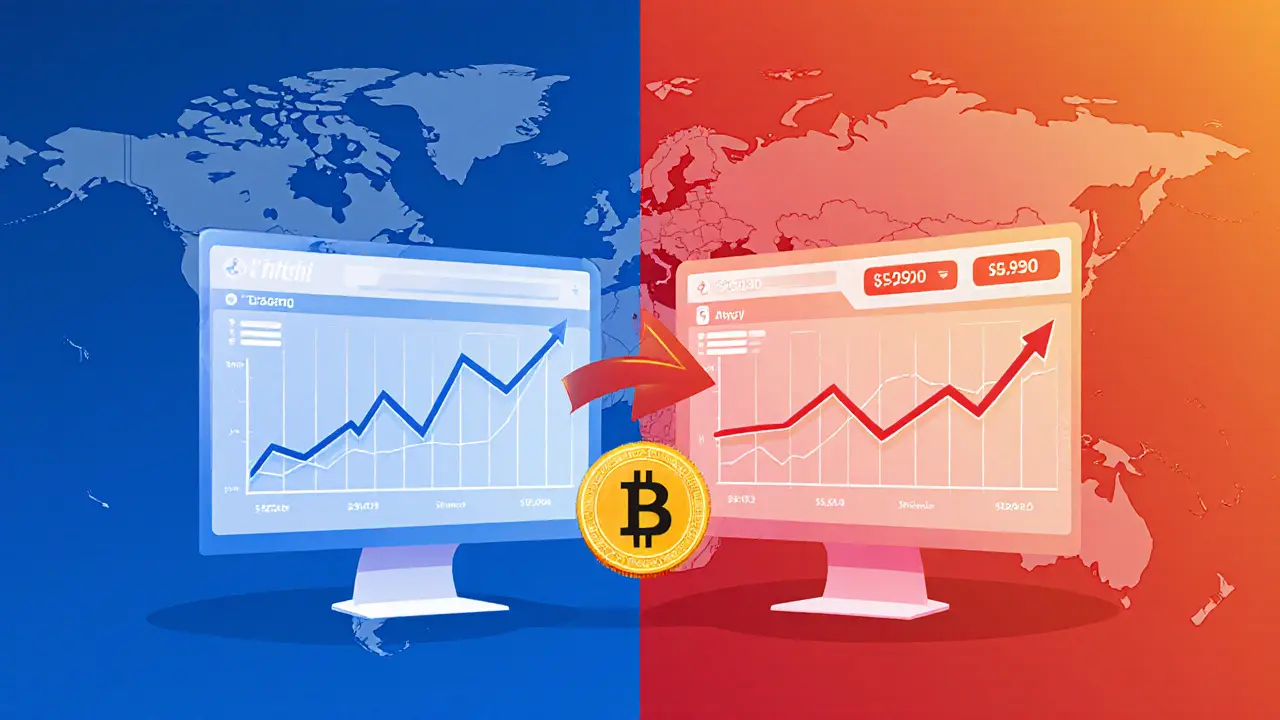
Explore why cryptocurrencies trade at higher prices in South Korea, how the Kimchi premium is calculated, and what it means for traders and regulators in 2025.
Read More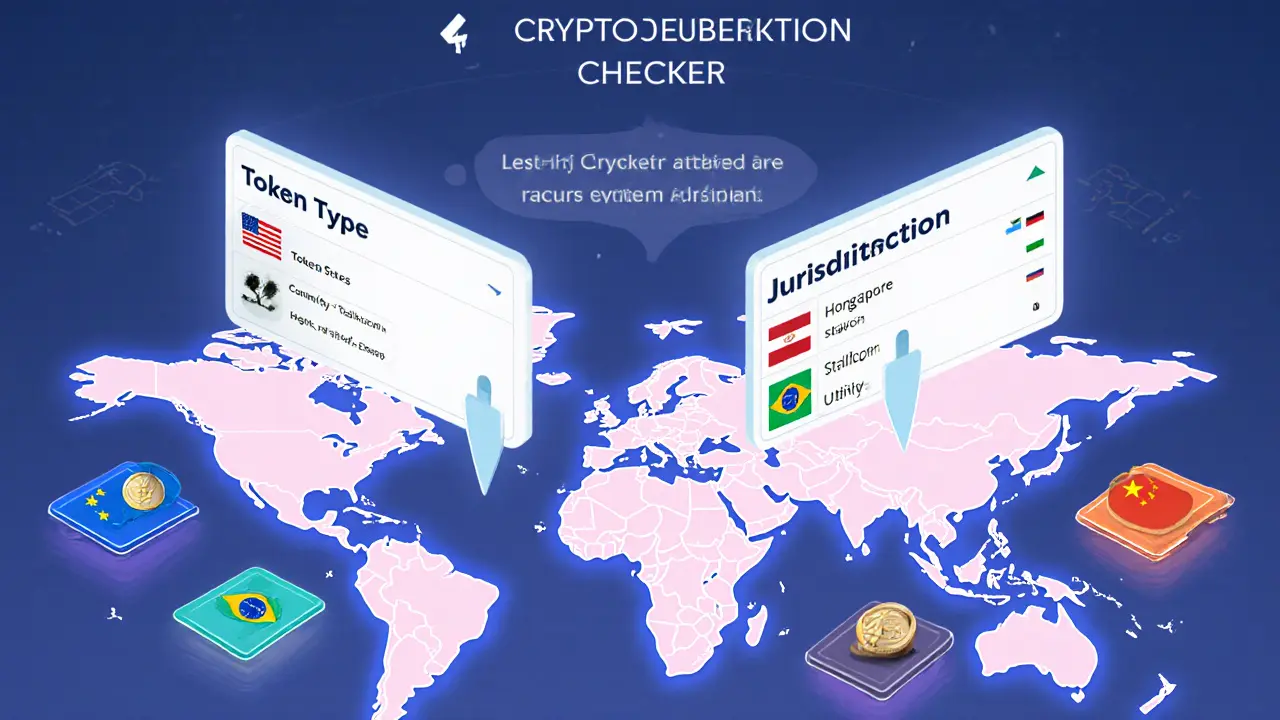
A 2025 guide covering the latest international securities laws for cryptocurrency, including U.S. federal rules, Asian licensing, EU MiCAR, and practical compliance steps.
Read More
Explore how global bodies, the UK‑US partnership, and the EU's MiCA framework are shaping crypto regulation, tackling cross‑border challenges, and setting the stage for future coordination.
Read More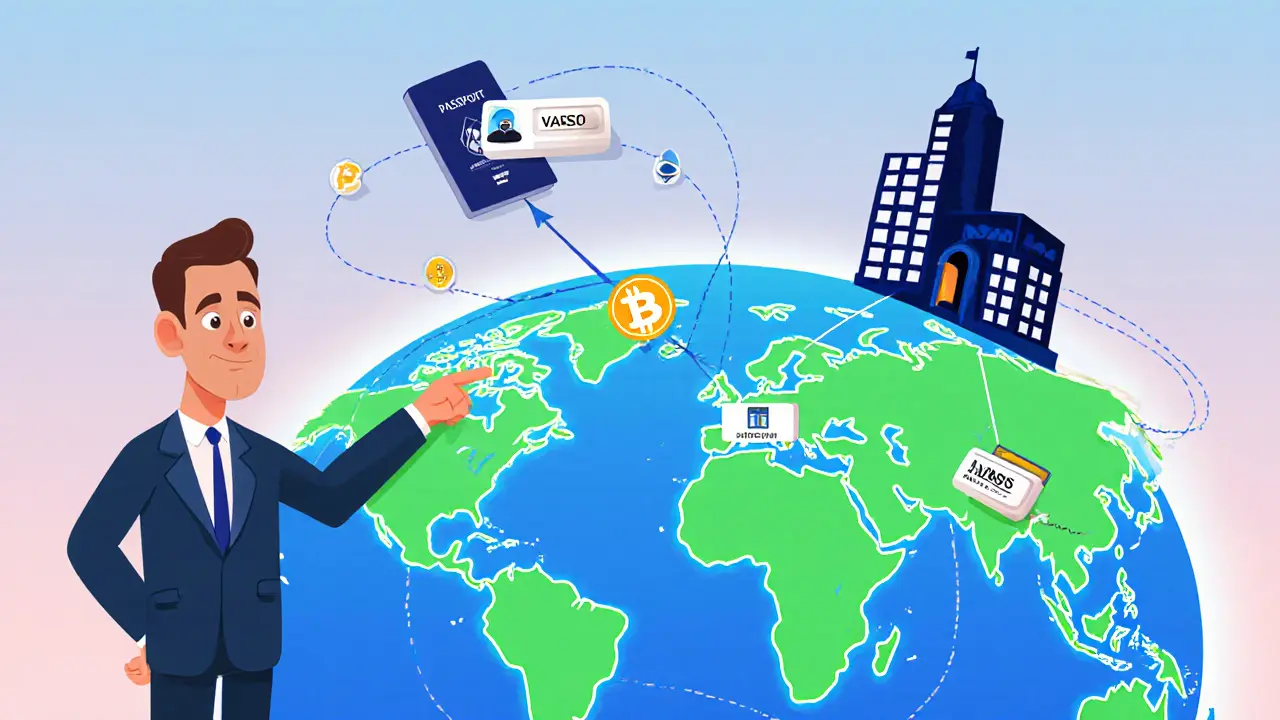
Learn what the Travel Rule is, who must follow it, data requirements, global implementation, and how crypto businesses can stay compliant in 2025.
Read More