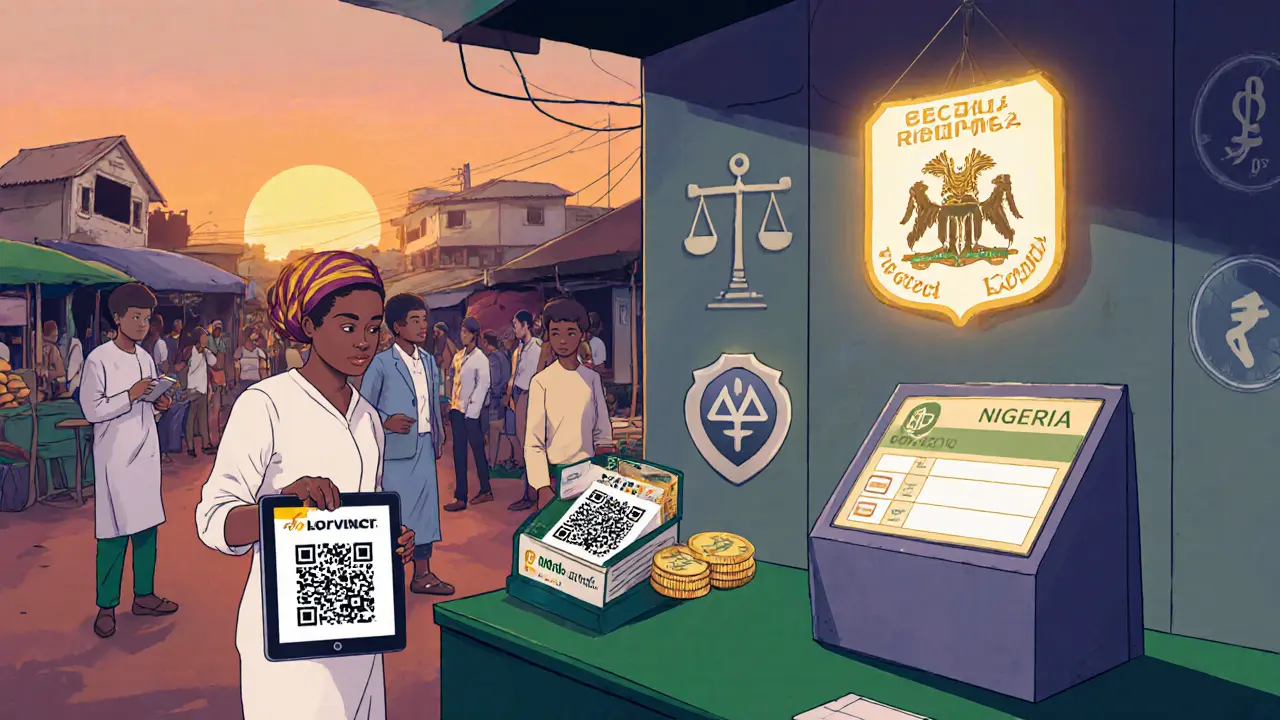
Crypto Payments Nigeria: How Nigerians Use Bitcoin and Stablecoins to Buy, Sell, and Survive
When crypto payments Nigeria, the use of digital currencies like Bitcoin and USDT to exchange goods and services without traditional banks. Also known as peer-to-peer crypto trading, it's how millions of Nigerians now pay for food, rent, and school fees — even when banks block transfers or freeze accounts. This isn’t theory. It’s daily life. In 2025, over 30% of Nigerian adults use crypto for everyday transactions, not just speculation. Why? Because inflation hit 30%, banks stopped allowing dollar withdrawals, and the naira lost half its value in two years. People didn’t wait for permission. They turned to crypto.
At the heart of this shift is P2P crypto Nigeria, a system where buyers and sellers trade directly using apps like Binance, Bybit, and YellowCard, matching Naira with Bitcoin or USDT in real time. No middlemen. No delays. Just a phone, an internet connection, and trust in the person on the other side. Sellers post ads saying, "I’ll give you 1 BTC for 7.5 million Naira." Buyers pay via bank transfer, mobile money, or even cash deposit. The platform holds the crypto until payment is confirmed. It’s simple, fast, and works even when the banking system doesn’t.
USDT, or Tether, is the real hero here. Unlike volatile Bitcoin, USDT stays pegged to the U.S. dollar. That means a Nigerian farmer can sell his yams for 50 USDT, know exactly what that’s worth, and use it to buy fertilizer from a supplier in Lagos — all without touching a bank. Binance P2P, the most used platform for crypto payments in Nigeria, offering direct Naira-to-crypto trades with millions of active users. It’s not perfect — scams exist, and some traders get burned — but it’s the best tool millions have.
And it’s not just for the poor. Small businesses, freelancers, and even government workers use it. A software developer in Abuja gets paid in USDT from a client in the U.S., converts it to Naira on Binance P2P, and pays his rent. A vendor in Port Harcourt buys stock from a wholesaler who only accepts crypto. This is the new economy — built on trust, mobile phones, and blockchain.
Regulators hate it. The Central Bank of Nigeria banned banks from processing crypto transactions in 2021. But that didn’t stop it. It just pushed it underground — and made it stronger. People found workarounds: using third-party payment processors, trading through friends, or using crypto ATMs. The government can block banks, but it can’t block the internet.
What you’ll find below are real stories, real platforms, and real risks. You’ll learn which apps Nigerians actually use, how to avoid fake traders, why some exchanges shut down overnight, and how to spot a scam that looks like a lifeline. This isn’t about getting rich. It’s about staying fed, paying bills, and keeping your family afloat when the system fails you. The future of money in Nigeria isn’t coming. It’s already here — and it’s running on crypto payments Nigeria.
As of 2025, crypto payments are legal in Nigeria under strict SEC regulations. While not legal tender, crypto is recognized as a security, taxed on profits, and supported by licensed exchanges and banks.
Read More