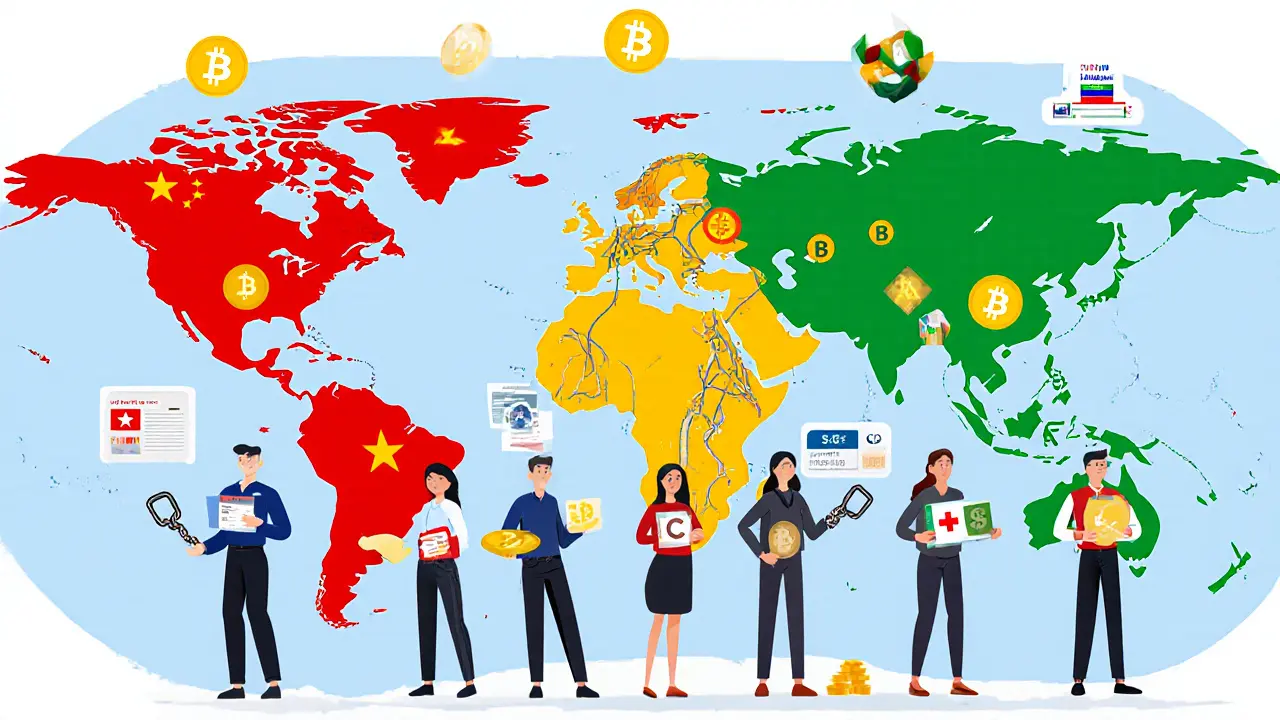
Crypto Laws: What You Need to Know About Global Regulations and Risks
When you trade crypto laws, the legal rules that govern how cryptocurrencies can be bought, sold, taxed, or seized by governments. Also known as cryptocurrency regulation, these rules decide whether you can use an exchange, hold a stablecoin, or even mine Bitcoin in your country. There’s no global rulebook—what’s legal in Australia is banned in Nepal, and what’s allowed in Cyprus comes with heavy reporting duties. If you’re trading crypto, you’re not just watching price charts—you’re navigating a patchwork of laws that can freeze your assets, shut down your exchange, or land you in court.
These crypto laws aren’t just about taxes. They’re tied to AML crypto rules, anti-money laundering systems that force exchanges to verify your identity and track every transaction. In places like Australia, platforms must get licensed by ASIC or risk being shut down. In Nepal, the government can legally take your crypto under the Muluki Criminal Code without warning. Even decentralized platforms like dYdX block users based on location—not because they want to, but because they have to. If you’re using a crypto exchange, you’re already under the microscope. The same rules that keep banks honest now apply to your wallet.
And it’s not just about trading. crypto asset forfeiture, when governments seize your crypto for breaking laws, often without a conviction is real. In China, underground trading happens at massive scale, but if you get caught, your coins vanish. In Syria, OFAC sanctions relief opened a narrow door—but compliance is still a minefield. Even meme coins like Paco (PACO) can draw attention if they’re used for money laundering. These aren’t edge cases—they’re daily realities for millions. Whether you’re holding XAGX, trading on Upbit Indonesia, or joining a B2M airdrop, your actions fall under someone’s regulatory radar.
What you’ll find below isn’t just a list of articles. It’s a map of where crypto laws are tightening, where they’re falling apart, and how real people are getting caught in the middle. From JPEX scandals to Cyprus banking limits, from Nepal’s asset seizures to Australia’s new consumer protections—you’ll see how these rules shape your wallet, your choices, and your risks. No theory. No fluff. Just what’s happening, where, and what you need to do next.
Crypto laws vary wildly by country in 2025. From 30% taxes in India to outright bans in China, knowing your jurisdiction’s rules isn't optional-it's essential to avoid fines, seizures, or criminal charges.
Read More