
Crypto Asset Forfeiture in Nepal: Laws, Penalties & Enforcement
A clear guide on Nepal's crypto asset forfeiture rules, covering legal basis, seizure steps, penalties and practical advice for anyone facing crypto charges.
Read MoreWhen dealing with crypto asset forfeiture Nepal, the legal process by which Nepali authorities seize digital tokens or wallets that violate law. Also known as cryptocurrency seizure, it sits at the crossroads of finance, criminal law and emerging tech. Understanding this concept helps you avoid costly mistakes and see why the government cares about every Bitcoin or alt‑coin that passes its borders.
One major player behind the scenes is cryptocurrency regulation Nepal, the set of rules that define how digital assets can be traded, held and reported in the country. These rules create the legal framework that makes forfeiture possible. For example, the Nepalese Securities Board has recently demanded KYC data from every exchange, meaning the state can trace who owns which address. When a user ignores those requirements, the enforcement arm can step in and freeze the assets.
Another crucial element is money laundering compliance, the set of AML procedures that businesses must follow to detect and report suspicious crypto activity. In practice, this means exchanges must file suspicious transaction reports, and banks need to flag crypto‑linked transfers. If a transaction is flagged, authorities may launch an investigation that ends in a court order to confiscate the involved wallets. This link between AML and forfeiture is why many crypto firms stress robust compliance programs.
International pressure adds another layer. international sanctions, restrictions imposed by bodies like OFAC that prohibit dealing with certain countries, entities or individuals, often spill over into Nepal’s domestic policy. When the U.S. tightens sanctions on a crypto‑friendly jurisdiction, Nepali banks and exchanges may be forced to block related addresses to avoid secondary penalties. That ripple effect can trigger a local forfeiture if a Nepali user is found moving sanctioned tokens.
In short, crypto asset forfeiture Nepal isn’t an isolated police action; it’s the outcome of three interconnected forces: clear national regulation, strict AML enforcement, and the pull of global sanction regimes. Each of these forces shapes how a seizure is initiated, approved and executed. If you’re a trader, investor or developer, knowing the chain of cause‑and‑effect lets you spot red flags early and keep your holdings safe.
What does this mean for everyday crypto users? First, always keep your KYC information up to date on every platform you use. Second, monitor the news for any changes in Nepal’s crypto laws—new licensing requirements or reporting thresholds can turn a routine trade into a legal headache. Finally, be aware of the assets you hold; tokens tied to sanctioned parties can be frozen without warning, even if you never directly dealt with the sanctioned entity.
The post collection below dives deeper into each of these areas. You’ll find guides on Nepal’s latest crypto regulations, step‑by‑step AML checklists, analyses of how sanctions affect local exchanges, and real‑world case studies of asset forfeiture incidents. Whether you’re looking for practical compliance tips or a big‑picture view of the legal landscape, the articles ahead will give you the tools to navigate Nepal’s evolving crypto environment.
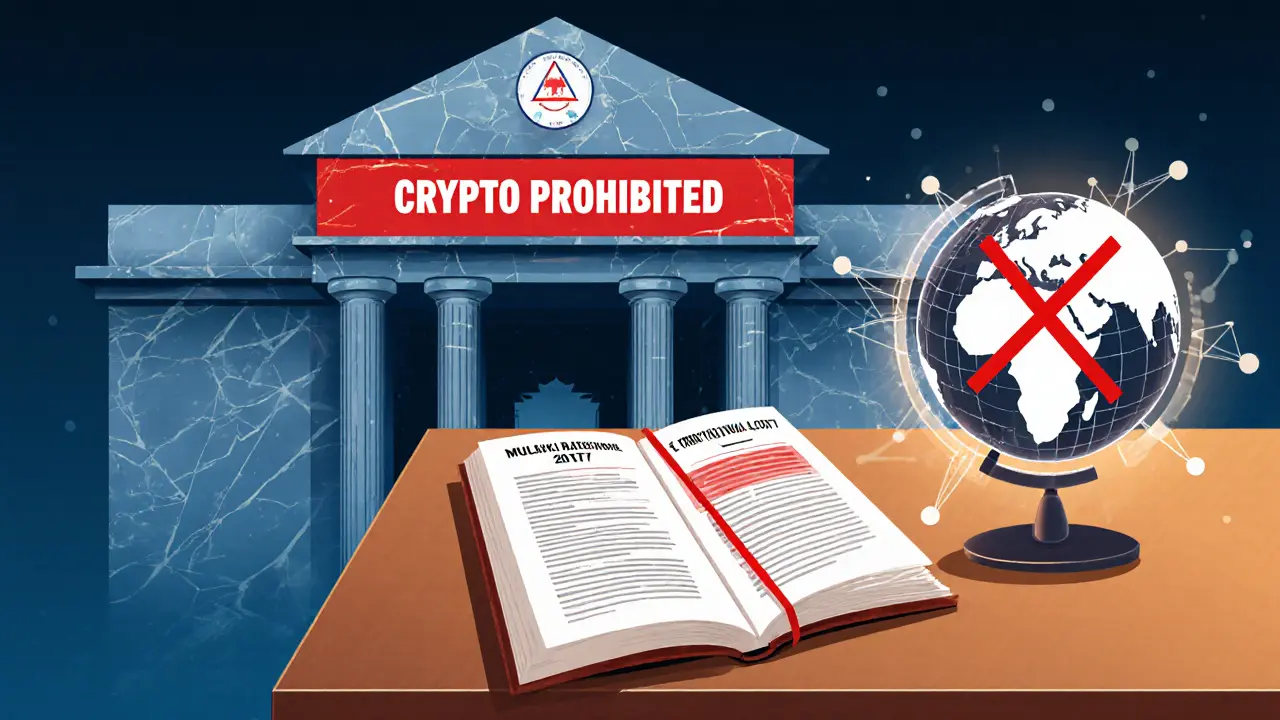
A clear guide on Nepal's crypto asset forfeiture rules, covering legal basis, seizure steps, penalties and practical advice for anyone facing crypto charges.
Read More