Blockchain Verification: How It Works and Why It Matters for Crypto Safety
When you send Bitcoin or trade an altcoin, blockchain verification, the process that confirms transactions on a decentralized ledger without a central authority. Also known as transaction validation, it’s what keeps crypto networks honest. Without it, anyone could double-spend coins, fake balances, or run fake exchanges. Every time a transaction gets added to the chain, multiple nodes check it against the rules—no bank, no CEO, no secret backdoor. That’s the whole point.
But not all platforms do it right. Some crypto exchanges, like Bitcoin.me, a known scam site with no security or oversight, pretend to verify trades while quietly stealing funds. Others, like 99Ex, a platform with zero public presence or audits, don’t even try. Real blockchain verification means transparency, public ledgers, and independent checks. If a site won’t let you see its transaction history or refuses third-party audits, it’s not using blockchain verification—it’s using blockchain as a buzzword.
Regulation plays a big role too. Platforms like Kyrrex, a crypto exchange registered with FinCEN and compliant with MiCA, tie verification to legal standards. They track user locations, restrict banned jurisdictions, and report suspicious activity. That’s not just good business—it’s how blockchain verification evolves beyond tech into real-world trust. Meanwhile, places like Nepal and China ban crypto outright, making verification irrelevant because the system itself is blocked. Your jurisdiction matters. If you’re in the UAE or Cyprus, you’re dealing with clear rules that force exchanges to verify properly. Elsewhere? You’re on your own.
And here’s the catch: verification doesn’t just protect your money—it protects you from fake airdrops. The IMM airdrop, a widely shared scam claiming free tokens, never existed. Scammers use fake verification screens to trick you into signing malicious wallets. Real airdrops, like the ASK airdrop by Permission.io, tie rewards to verified actions—like browsing with a browser extension—not just clicking a link. If it asks for your private key, it’s not verification—it’s theft.
Hybrid blockchains, like the ones used by enterprises, mix private verification with public transparency. They’re faster, cheaper, and still secure because only authorized nodes can validate internal data, while public ledgers keep the whole system accountable. That’s why companies are adopting them—because pure public chains are too slow, and pure private ones are just databases with a blockchain label.
What you’ll find below are real stories of platforms that got verification right, those that faked it, and the scams that prey on people who don’t know the difference. No fluff. No hype. Just what actually happens when blockchain verification works—or fails.
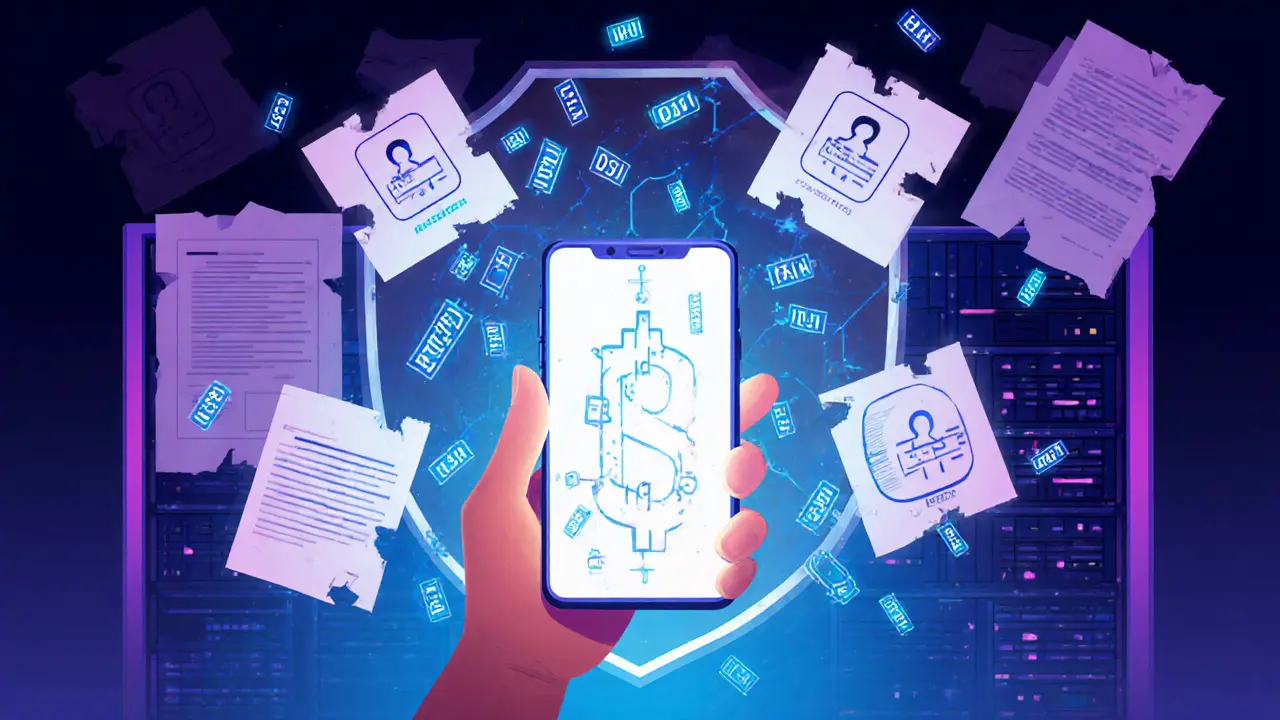
Blockchain-based identity verification lets you control your personal data with cryptographic keys instead of relying on centralized databases. Faster, safer, and private - it’s already used by banks, hospitals, and governments.
Read More