Blockchain Property: Understanding the Core Features
When talking about blockchain property, the set of technical and economic traits that make a blockchain network function, such as decentralization, immutability, transparency and security, you’re really looking at the DNA of any digital ledger. Also known as blockchain attributes, these properties decide how trust is built without a central authority and why the tech can power everything from money to contracts.
Why These Traits Matter for Everyday Crypto Tools
One of the biggest crypto exchange, a platform that lets users trade digital assets using blockchain‑based settlement is its reliance on decentralization – a core blockchain property. Without distributed nodes, an exchange could be taken down by a single point of failure. The immutability of transaction logs also means users can prove trades happened exactly as recorded, which cuts down disputes and fraud. In practice, the exchange’s security model requires that the underlying ledger uphold these properties, otherwise the whole service collapses.
Another pillar is tokenomics, the economic design of a cryptocurrency, covering supply, distribution, incentives and value capture mechanisms. Tokenomics is a direct expression of blockchain property because the supply rules are enforced by immutable smart contracts, and the transparency of the ledger lets anyone audit the money flow. When tokenomics aligns with the network’s security and decentralization, you see healthier price stability and community trust – a clear cause‑effect relationship that investors watch closely.
Then there’s the airdrop, a distribution event where a blockchain project gives free tokens to eligible wallets. Airdrops lean on the transparency and traceability of the blockchain to verify eligibility without manual paperwork. The immutability of records ensures that once a wallet is marked as eligible, that status can’t be altered retroactively. That’s why many projects use airdrops to bootstrap community growth while keeping the process auditable.
Regulatory scrutiny ties back to these same properties. Regulation, government rules that define how blockchain activities must comply with legal standards often focuses on how well a blockchain can enforce KYC/AML, prevent illicit transfers, and protect user data. Because a blockchain’s transparency can expose transaction patterns, regulators see it as both a risk and a tool for compliance. At the same time, decentralization can make enforcement harder, prompting a push for hybrid solutions that blend public ledgers with private oversight.
All these pieces—decentralization, immutability, tokenomics, airdrops and regulation—interlock to form a complete picture of what blockchain property really means in practice. Below you’ll find a curated set of articles that dig deeper into each angle, from exchange reviews and token analyses to the latest airdrop alerts and legal updates. Whether you’re new to the space or looking to sharpen your strategy, this collection gives you the practical insights you need to navigate the fast‑moving world of blockchain.
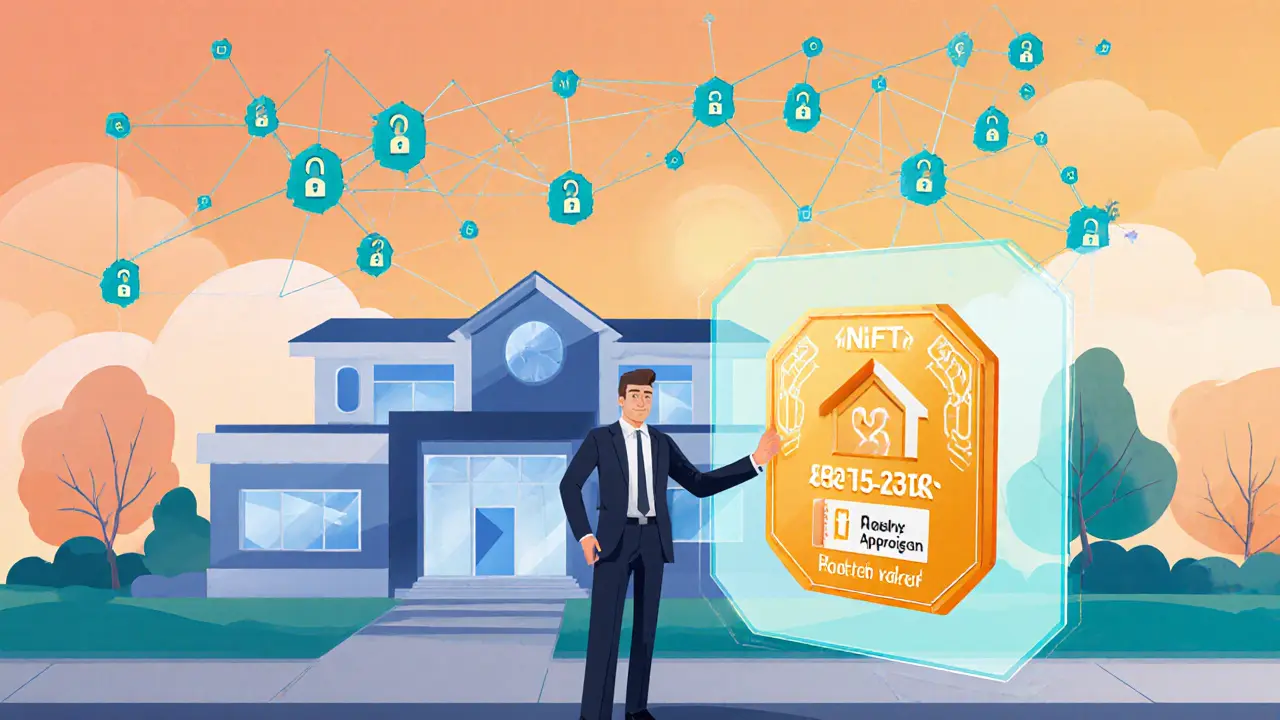
Learn how NFTs turn real estate into digital tokens, enabling fractional ownership, instant transfers, and new investment opportunities while navigating regulatory and technical challenges.
Read More