Bitcoin Venezuela: How Crypto Is Changing Life in a Crisis Economy
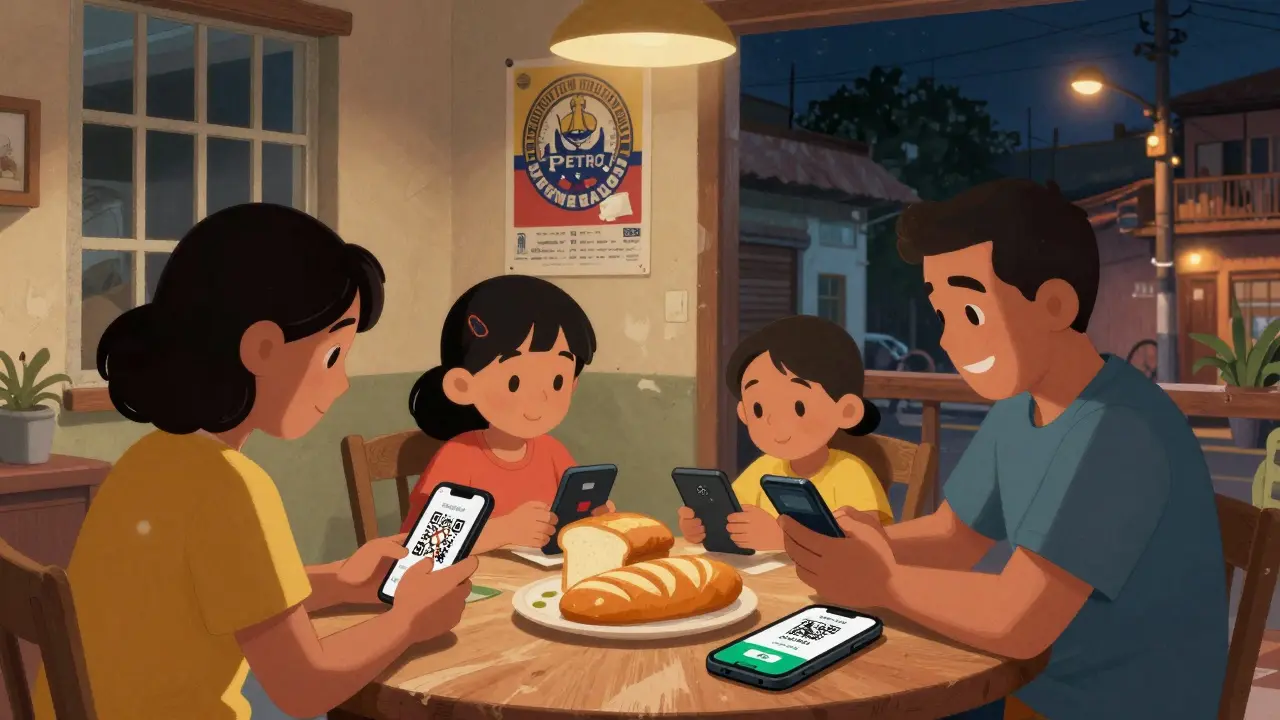
When the Venezuelan bolívar lost 99% of its value over a decade, people didn’t wait for banks or governments to fix it—they turned to Bitcoin, a decentralized digital currency that operates without central banks or national control. Also known as digital gold, it became the only reliable store of value for millions. In a country where salaries evaporate before payday and supermarkets run out of basic goods, Bitcoin isn’t an investment—it’s a survival tool.
That shift didn’t happen overnight. It started with P2P crypto trading, a system where people trade directly with each other using local currency, bypassing traditional financial gatekeepers. Also known as peer-to-peer crypto, this method lets Venezuelans buy Bitcoin using Naira-like local payments through apps like Binance, YellowCard, and LocalBitcoins. No bank account? No problem. Just a phone and a WhatsApp group. This isn’t theory—it’s daily reality for over 2 million Venezuelans who now use crypto to pay for food, medicine, and rent. Behind the scenes, these trades rely on software wallets, apps like MetaMask and Trust Wallet that store crypto keys on smartphones. Also known as hot wallets, they’re fast and easy—but risky if you don’t know how to secure them. Many Venezuelans have lost funds to phishing scams, but others learned fast: backup your seed phrase, never share your PIN, and avoid sketchy websites like Bitcoin.me or 99Ex, which are known scams.
It’s not just about buying Bitcoin. People use it to send money across borders, buy goods from international sellers, and even get paid in crypto for remote work. Some small businesses now list prices in Bitcoin, not bolívares. Local exchanges like BitBegin and Kyrrex, though limited, offer ways to convert crypto back to cash without waiting weeks for bank approvals. Meanwhile, regulators in other countries—like Nigeria and the UAE—are watching closely, seeing how crypto is filling gaps left by failed systems. The lesson? When trust in institutions collapses, people turn to technology that doesn’t need permission to work.
What you’ll find below are real stories and hard facts about how Bitcoin and crypto tools are being used—not as speculative assets, but as essential infrastructure in Venezuela. From P2P platforms that keep families fed to exchanges that vanished overnight, these posts show what works, what doesn’t, and how ordinary people are rewriting the rules of money.
Amid hyperinflation and banking collapse, Venezuelans turned to Bitcoin and USDT to survive. Over 4 million now use crypto for daily purchases, remittances, and savings-bypassing a broken financial system.
Read More