
Silver Token (XAGX) Explained: The Silver‑Backed Crypto Stablecoin
Silver Token (XAGX) is a silver‑backed stablecoin on Avalanche. Learn how it works, market data, buying options, risks, and future outlook in this concise guide.
Read MoreWhen working with Avalanche C-Chain, the high‑throughput smart‑contract platform of the Avalanche ecosystem. Also known as C‑Chain, it processes Ethereum‑compatible transactions at near‑instant finality.
The Avalanche network, a trio of interoperable blockchains (X‑Chain, P‑Chain, and C‑Chain) Avalanche powers the C‑Chain and supplies the native AVAX token, used for gas fees, staking, and governance. Smart contracts on the C‑Chain require AVAX to pay transaction costs and secure the network, which means developers can tap into fast finality and low fees while staying compatible with existing Ethereum tools. This setup enables DeFi projects, NFT marketplaces, and gaming apps to launch quickly, and it supports cross‑chain bridges that move assets between the C‑Chain, other Avalanche subnets, and external blockchains.
DeFi on Avalanche leverages the C‑Chain, offering lenders, borrowers, and liquidity providers near‑instant settlement. This speed reduces slippage compared to slower chains, making arbitrage and high‑frequency strategies more viable. Meanwhile, the bridge ecosystem connects to Ethereum, Solana, and Binance Smart Chain, allowing users to move tokens without buying new assets. For anyone watching the crypto market, understanding how the C‑Chain interacts with these layers helps you spot where liquidity might flow next and which projects could gain traction.
Below you’ll find a curated mix of articles that dive deeper into the C‑Chain’s mechanics, showcase top DeFi protocols, compare exchange options, and explain upcoming airdrops that run on Avalanche. Whether you’re a developer looking to deploy a contract, a trader hunting the next yield opportunity, or just curious about how Avalanche fits into the broader crypto landscape, the posts here give you practical insights and actionable tips.
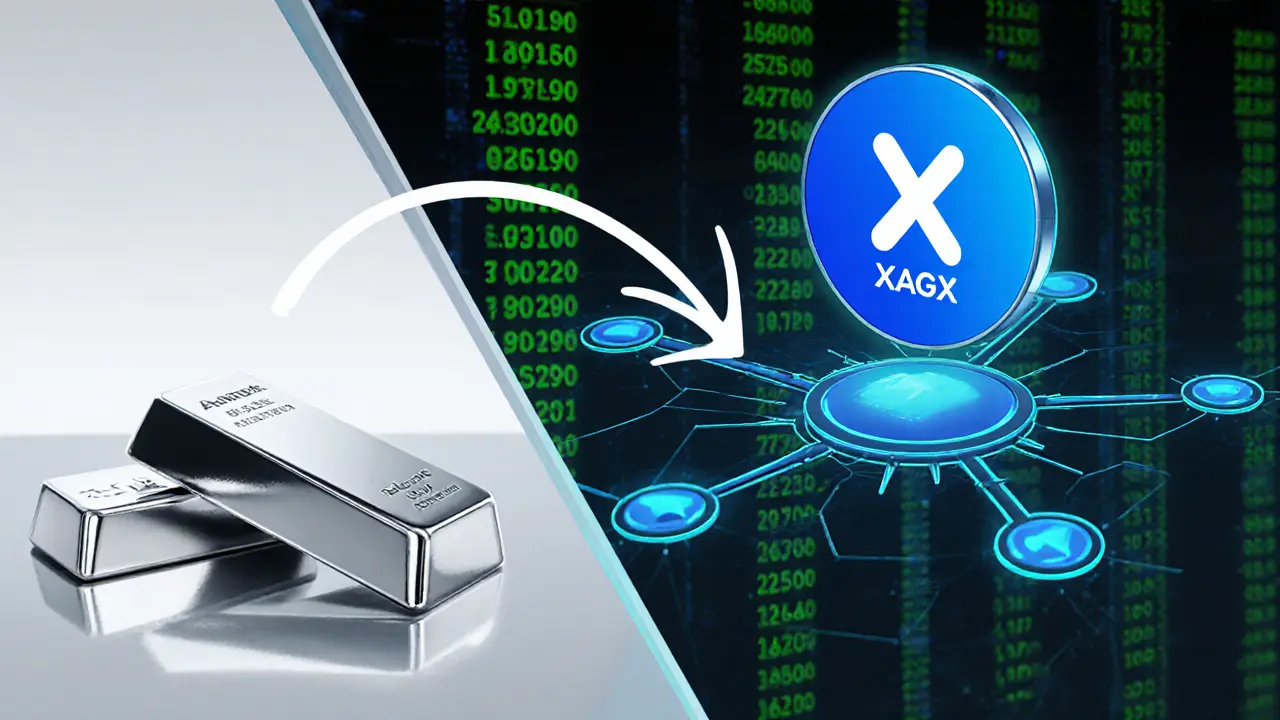
Silver Token (XAGX) is a silver‑backed stablecoin on Avalanche. Learn how it works, market data, buying options, risks, and future outlook in this concise guide.
Read More