
Crypto Consumer Protection in Australia: What the New Regulations Mean for You
A clear guide to Australia's new crypto consumer protection rules, covering licensing, asset scope, compliance duties, and what investors should watch for.
Read MoreWhen working with Australian crypto regulation, the framework of rules that govern cryptocurrency activities in Australia, covering licensing, anti‑money‑laundering (AML) obligations and consumer safeguards. Also known as Aus crypto rules, it shapes how exchanges, token issuers and traders operate down under. Australian crypto regulation encompasses licensing requirements, AML monitoring, and consumer protection measures, forming a three‑pronged safety net for the market.
The first entity you’ll meet is ASIC, the Australian Securities and Investments Commission, which issues crypto licences and enforces market integrity. ASIC’s licensing regime defines who can run a digital asset exchange, what capital they must hold, and how they disclose risks to users. Next up is AUSTRAC, Australia’s anti‑money‑laundering and counter‑terrorism financing agency that monitors suspicious transactions and ensures compliance with AML/CTF rules. AUSTRAC requires all crypto service providers to register, implement Know‑Your‑Customer checks and report large movements. Finally, the crypto consumer protection rules, the 2025 set of safeguards introduced by ASIC to improve transparency and dispute resolution for retail investors demand clear fee structures, segregation of client funds and a formal complaints process. These entities interact tightly: ASIC grants licences, AUSTRAC audits AML practices, and the consumer protection rules close the loop by protecting end‑users.
What does this mean for you? If you’re an exchange operator, you’ll need an ASIC licence, a AUSTRAC registration and a compliance program that meets the new consumer protection standards. Traders should check that their platform displays the licence number, follows AML checks and offers a transparent fee schedule. Investors can look for the “ASIC‑regulated” badge as a quick trust signal. Across the board, the rules push the market toward higher security, better disclosure and reduced fraud risk. Below you’ll find detailed guides, reviews and step‑by‑step breakdowns that dive into each piece of the puzzle – from licensing nuances to practical AML checklists and the latest consumer protection updates.
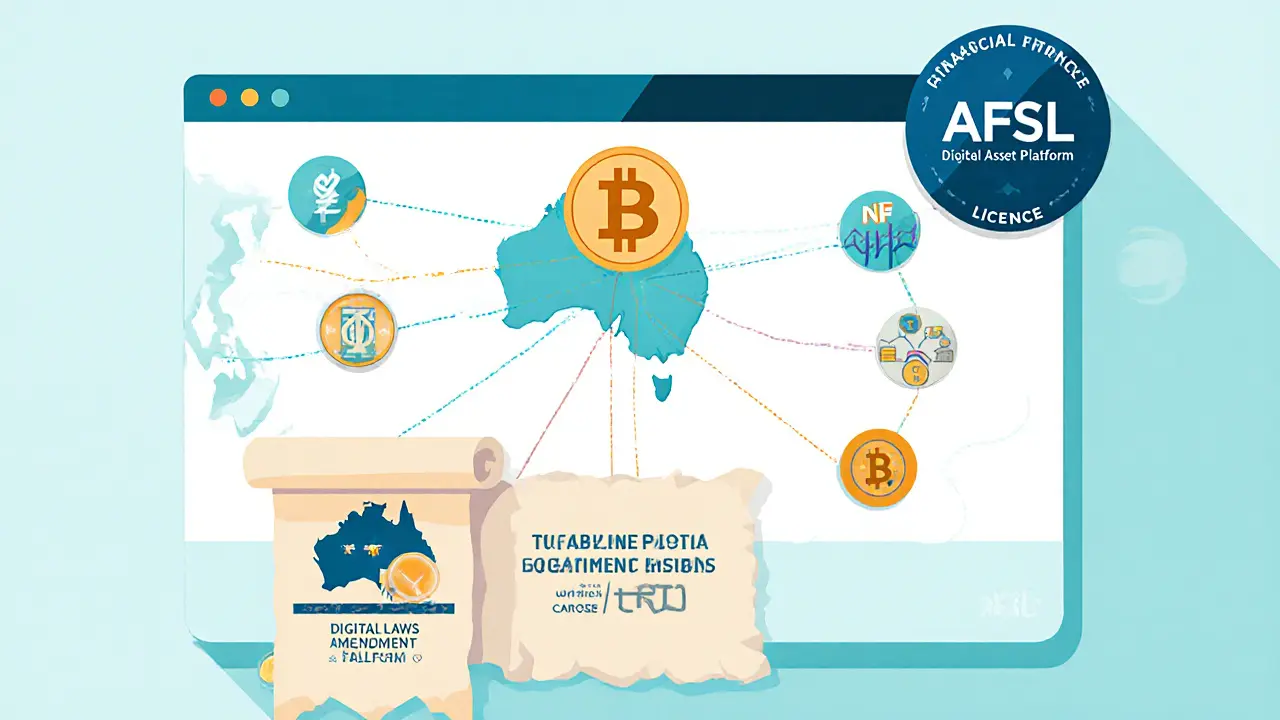
A clear guide to Australia's new crypto consumer protection rules, covering licensing, asset scope, compliance duties, and what investors should watch for.
Read More