
Crypto Consumer Protection in Australia: What the New Regulations Mean for You
A clear guide to Australia's new crypto consumer protection rules, covering licensing, asset scope, compliance duties, and what investors should watch for.
Read MoreWhen dealing with ASIC crypto enforcement, the set of rules and actions the Australian Securities and Investments Commission uses to monitor and regulate digital assets. Also known as ASIC crypto regulation, it shapes how traders, exchanges, and token issuers operate in Australia. Crypto licensing (AFSL), a mandatory authorization for firms that provide financial services involving crypto is a core pillar, while AUSTRAC AML obligations, anti‑money‑laundering and counter‑terrorism financing rules supply the compliance backdrop. The consumer protection framework, rules that safeguard retail investors from unfair practices rounds out the enforcement ecosystem. Together these layers dictate what a crypto business must file, how it must report, and the penalties for breach.
ASIC crypto enforcement encompasses crypto licensing, meaning any platform that offers token trading, custody, or advisory services must hold an AFSL or face fines. In practice, the regulator reviews the firm’s risk management policies, disclosure documents, and fee structures before granting approval. AUSTRAC AML obligations influence the same licensing process; firms have to register with AUSTRAC, run transaction monitoring, and submit suspicious activity reports. Failure to meet AML standards often triggers ASIC’s enforcement powers, leading to enforceable undertakings or civil penalties. Consumer protection requirements drive licensing standards by demanding clear, plain‑language contracts, limits on leverage, and mechanisms for dispute resolution. Recent enforcement actions have targeted unregistered exchanges that promised high yields without proper disclosure, showing how the three pillars work together to protect the market.
For traders, the practical takeaway is simple: verify that a platform lists its AFSL number, check its AUSTRAC registration status, and read the consumer‑protection disclosures. When those boxes are ticked, the risk of sudden shutdowns or hidden fees drops dramatically. If you’re launching a new crypto project, budgeting for compliance work early saves headaches later—ASIC expects documented KYC procedures, regular audits, and a clear governance model before it signs off on a licence.
Below you’ll find a curated selection of articles that break down these topics further. From deep‑dives into Australia’s 2025 consumer‑protection rules to real‑world reviews of exchanges that have faced ASIC scrutiny, the collection gives you actionable insights you can use right now. Whether you’re a trader, a founder, or just curious about how ASIC crypto enforcement shapes the Australian crypto landscape, the posts ahead will arm you with the facts you need to move forward confidently.
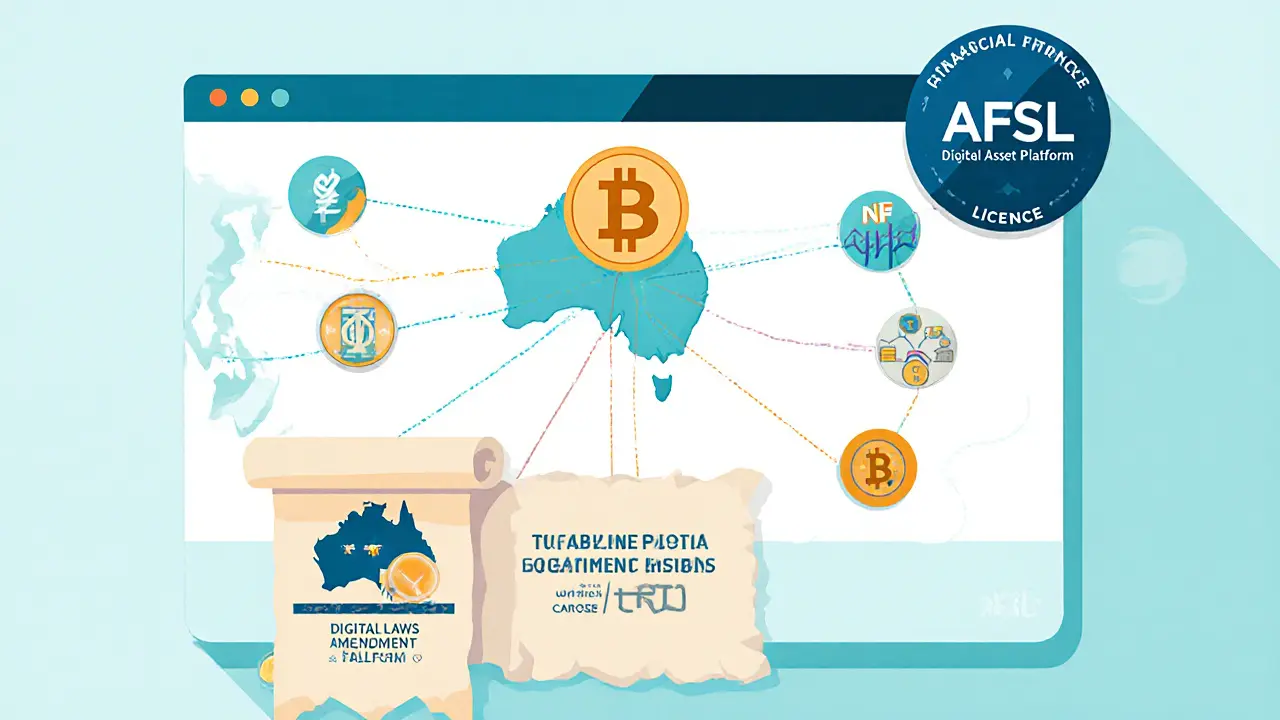
A clear guide to Australia's new crypto consumer protection rules, covering licensing, asset scope, compliance duties, and what investors should watch for.
Read More