
Crypto Asset Forfeiture in Nepal: Laws, Penalties & Enforcement
A clear guide on Nepal's crypto asset forfeiture rules, covering legal basis, seizure steps, penalties and practical advice for anyone facing crypto charges.
Read MoreWhen dealing with anti‑money laundering law, the set of rules that require financial services to detect, prevent, and report illicit financial activity. Also known as AML law, it forms the backbone of global efforts to curb fraud, terrorism financing, and money laundering in both traditional and digital markets. In practice, every crypto exchange, wallet provider, and DeFi protocol must embed these rules into their smart contracts, onboarding flows, and transaction monitoring systems. Ignoring AML law isn’t just a regulatory risk; it can freeze assets, attract hefty fines, or even shut down an entire platform. That’s why understanding how AML law intertwines with other compliance concepts is essential for anyone who trades, invests, or builds on blockchain.
The first pillar is AML compliance, a systematic approach that includes risk assessments, transaction screening, and reporting suspicious activity to authorities. This pillar drives the second pillar: KYC (Know Your Customer), the process of verifying the identity of users before granting access to financial services. Together they create a safety net that lets regulators track the flow of funds across borders. A third pillar comes from OFAC sanctions, U.S. Treasury measures that block individuals and entities from accessing the U.S. financial system. When a crypto platform flags an address on the OFAC list, it must freeze the related assets to stay compliant. Finally, broader crypto regulations, the collection of national and regional rules governing digital assets, exchanges, and service providers. These regulations embed AML law into licensing requirements, reporting standards, and audit obligations. The relationship is clear: anti‑money laundering law requires AML compliance; AML compliance is enabled by KYC; OFAC sanctions shape how AML compliance is applied; and crypto regulations provide the legal framework that ties everything together.
Across the globe, authorities are tightening the net. Cyprus, for example, rolled out crypto banking rules in 2025 that embed AML checks directly into bank‑exchange partnerships. Australia introduced a new consumer‑protection regime that couples licensing with strict AML reporting duties. China’s underground crypto scene still operates, but the government’s crackdown on illicit transfers forces traders to adopt sophisticated AML‑evading techniques—an approach that quickly turns into a legal nightmare. Russia’s recent mining law tries to legitimize crypto production while still demanding AML reporting, and the recent OFAC sanctions relief for Syrian users shows how geopolitical shifts can redefine AML boundaries. All these stories illustrate the same point: anti‑money laundering law isn’t a static checklist; it evolves with each jurisdiction’s policy moves, technological advances, and enforcement actions.
Below you’ll find a curated collection of articles that break down these developments point by point. From Cyprus’ banking restrictions to Australia’s consumer‑protection rules, from the impact of OFAC sanctions on Syrian miners to the hidden risks of underground trading in China, each piece gives you concrete steps, real‑world examples, and actionable insights. Dive in to see how the law shapes your crypto strategy, what compliance tools you need, and how to stay ahead of regulators while protecting your assets.
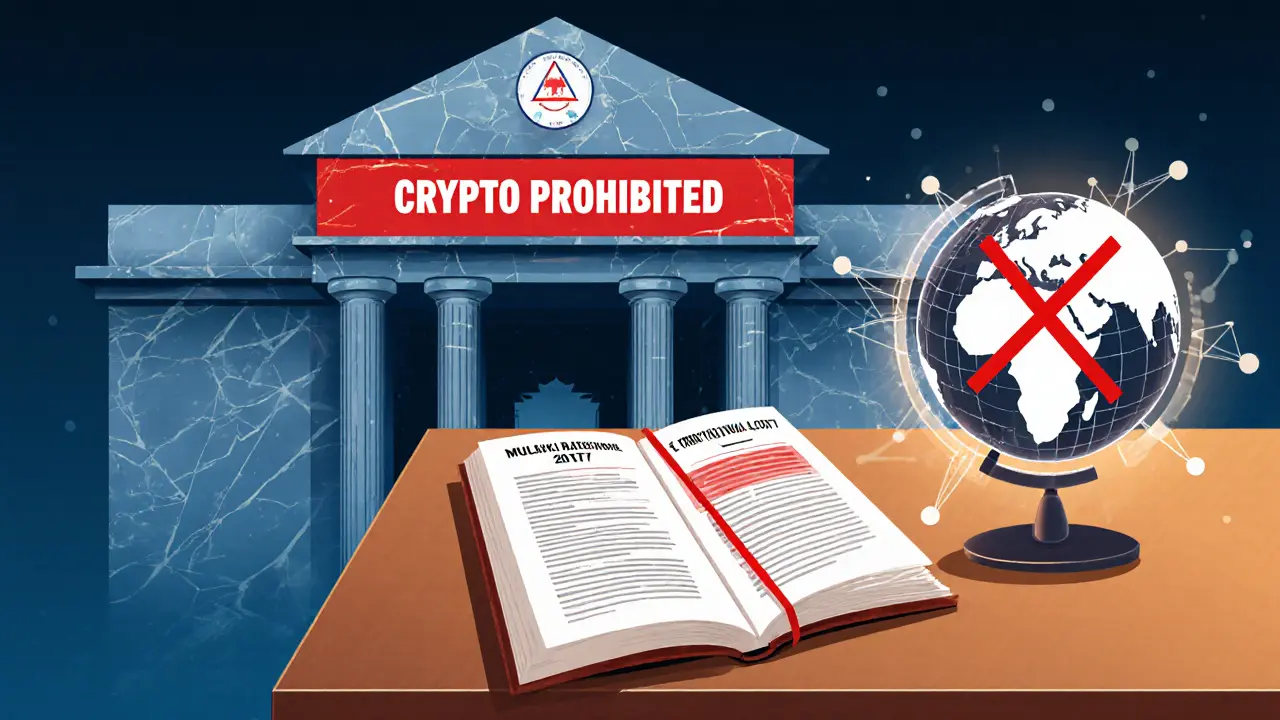
A clear guide on Nepal's crypto asset forfeiture rules, covering legal basis, seizure steps, penalties and practical advice for anyone facing crypto charges.
Read More