
Security Token Offerings (STOs) Guide: How They Work in 2026
Remember the chaos of 2018? That was when the Initial Coin Offering (ICO) bubble burst, wiping out over $750 billion in market capitalization. Investors were left holding bags of worthless utility tokens, and regulators scrambled to step in. Out of that mess came Security Token Offerings (STOs), a structured, legally compliant way for companies to raise funds using blockchain technology. Unlike the wild west of ICOs, STOs wrap real-world assets-like equity, debt, or real estate-into digital tokens that behave just like traditional stocks or bonds.
If you are looking at this space in 2026, you are seeing a matured ecosystem. It is no longer just about hype; it is about efficiency, transparency, and access. This guide breaks down exactly how STOs function, why they matter now, and what you need to know before jumping in. We will skip the fluff and get straight to the mechanics, the benefits, and the regulatory realities that define this sector today.
The Core Mechanics of an STO
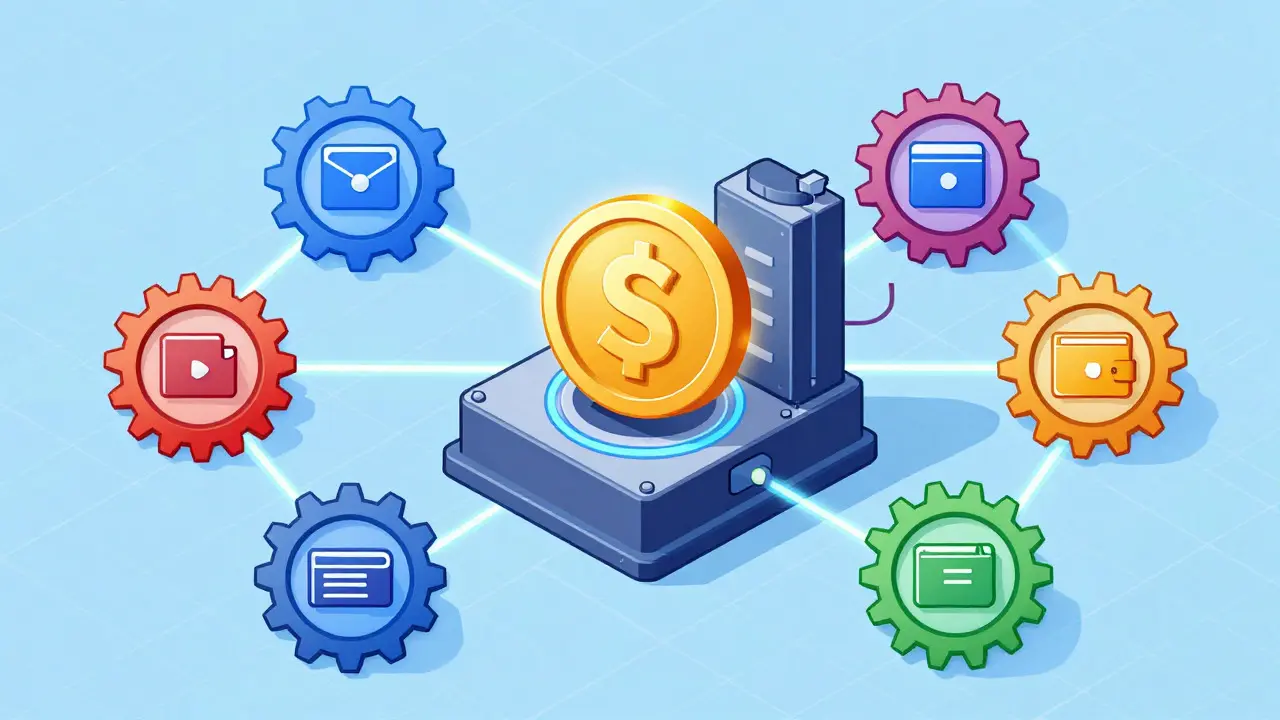
At its heart, an STO is a fundraising event where a company issues digital tokens representing ownership or economic rights in an asset. But how does the magic happen under the hood? It relies on seven specific building blocks working together seamlessly.
- The Underlying Asset: This is the physical or digital thing being sold. It could be a share of a startup, a slice of a commercial building in Sydney, or a bond from a corporate entity.
- Security Tokens: These are the digital receipts on the blockchain. They don't have value on their own; their value is derived from the asset they represent.
- Tokenization Platforms: The software infrastructure that converts the legal claim on the asset into a digital token. Think of these as the factories that mint the tokens.
- Smart Contracts: These are self-executing code on the blockchain. They automate everything from issuing tokens to distributing dividends. If a dividend is due, the smart contract sends it directly to your wallet without needing a bank intermediary.
- Regulated Marketplaces: You can't trade STOs on every random exchange. They require specialized platforms that ensure only eligible investors buy and sell, maintaining compliance.
- Blockchain Networks: The underlying ledger. In 2026, networks like Ethereum, Polygon, and Stellar are commonly used for their balance of security and low transaction costs.
- Digital Wallets: Tools like MetaMask or Coinbase Web3 Wallet allow investors to store, send, and receive these tokens securely.
This structure ensures that while the tech is decentralized, the process remains tightly controlled. The result is a system where ownership is immutable, traceable, and instantly verifiable.
Why STOs Beat Traditional Fundraising
You might ask, why not just do a standard IPO or use traditional crowdfunding? The answer lies in speed, cost, and accessibility. Traditional Initial Public Offerings (IPOs) can take months or even years to complete, involving massive legal fees and underwriter commissions. STOs cut through much of this red tape.
| Feature | Traditional IPO | ICO (Utility) | STO (Security) |
|---|---|---|---|
| Regulatory Status | Highly Regulated | Loosely Regulated/Unregulated | Highly Regulated |
| Time to Launch | 6-12+ Months | 4-8 Weeks | 3-6 Months |
| Investor Protection | Strong | Weak | Strong |
| Fractional Ownership | Limited | Common | Native Support |
| Liquidity | Post-IPO Only | Immediate but Volatile | On Regulated Exchanges |
One of the biggest wins for STOs is fractional ownership. Imagine wanting to invest in a luxury apartment complex worth $10 million. Traditionally, that is out of reach for most individuals. With an STO, that property can be split into 10,000 tokens, each worth $1,000. Now, anyone with $1,000 can own a piece of that real estate. This democratizes investment, allowing smaller players to access high-value assets that were previously reserved for institutions.
Navigating the Regulatory Landscape
This is the part that scares off many newcomers, but it is also the feature that makes STOs safe. Because security tokens are treated as financial instruments, they must comply with local securities laws. In the United States, the Securities and Exchange Commission (SEC) oversees these offerings. In Singapore, the Monetary Authority of Singapore (MAS) grants licenses to Recognized Market Operators (RMOs).
For issuers, this means working with legal experts who understand both blockchain tech and securities law. The process involves rigorous due diligence, asset valuation, and formal registration. For investors, it means peace of mind. If something goes wrong, there is a legal framework to hold the issuer accountable, unlike the often-lawless ICO era.
Key regulatory bodies to watch include:
- SEC (USA): Enforces federal securities laws, requiring registration or exemption for token sales.
- MAS (Singapore): Provides clear guidelines for digital asset exchanges and RMOs, making it a hub for Asian STO activity.
- ESMA (Europe): Works toward harmonizing rules across EU member states, facilitating cross-border trading.

Real-World Examples and Market Traction
STOs are not just theoretical concepts anymore. Several major players have already proven the model works. tZERO, a regulated trading platform, raised over $130 million via its own STO, showing institutional confidence in the format. INX made history by becoming the first SEC-registered security token IPO in the US, signaling that the regulator is open to well-structured projects.
In the venture capital space, SPiCE VC operates a tokenized fund that allows investors to pool money and invest in early-stage startups. This offers diversification that individual angel investors rarely achieve alone. Meanwhile, platforms like InvestaX in Singapore provide the marketplace infrastructure, ensuring that trades happen within a compliant environment.
The potential scale is staggering. Global real estate assets are valued at approximately $326.5 trillion, and total global market capitalization sits around $91 trillion. Even if only a tiny fraction of these assets gets tokenized, the addressable market for STOs is in the trillions. We are currently in the early innings of unlocking this value.
How to Get Started as an Investor
If you want to dip your toes into STOs, here is a practical roadmap. First, verify the issuer. Check if they have completed due diligence and have a reputable legal team behind them. Second, look at the marketplace. Ensure the platform where you are buying is regulated in your jurisdiction. Third, check the tokenomics. Understand how dividends are paid, how voting rights work, and what happens if the company liquidates.
Finally, set up the right wallet. While some platforms offer custodial solutions, having a non-custodial wallet like MetaMask gives you direct control over your assets. Just remember, losing your private key means losing your tokens, so back up your recovery phrase properly.
Challenges and Risks to Watch
No investment is risk-free, and STOs have their own unique pitfalls. Liquidity can be an issue. Since STOs trade on specialized exchanges rather than massive public ones, finding a buyer for your token might take longer than selling a Bitcoin. Additionally, regulatory fragmentation exists. A token that is legal in Singapore might face hurdles in another country, limiting your ability to resell globally.
There is also the technical risk. Smart contracts are powerful, but if there is a bug in the code, it could lead to lost funds or incorrect dividend distributions. Always choose issuers who have had their smart contracts audited by reputable third-party firms.
The Future of Tokenized Assets
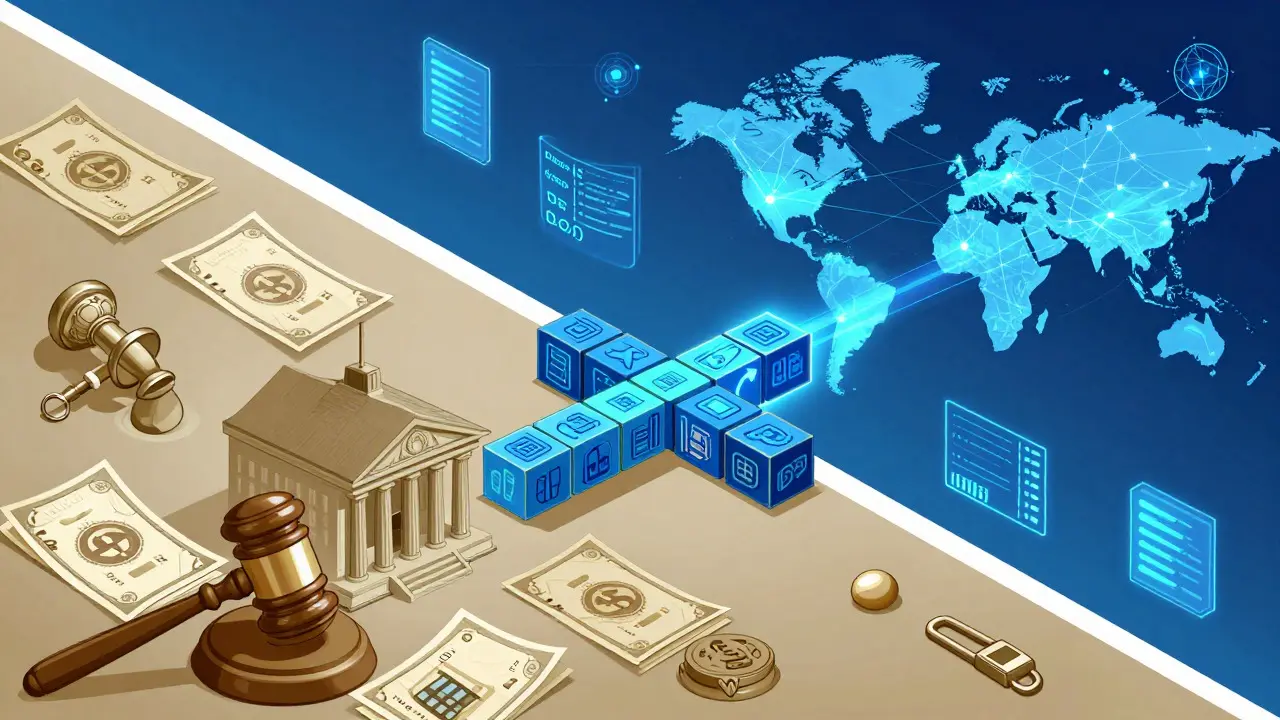
Looking ahead, the trend is clear: convergence. Traditional finance is embracing blockchain not because it is trendy, but because it is efficient. We are seeing more banks and asset managers launching their own tokenized products. Cross-border regulations are slowly aligning, which will make it easier for investors to move capital across borders without getting stuck in bureaucratic limbo.
As technology improves, we expect to see more complex assets tokenized, including intellectual property, carbon credits, and even art collections. The goal is simple: to make investing faster, cheaper, and more transparent for everyone. STOs are the bridge between the old world of paper certificates and the new world of digital ownership.
What is the main difference between an ICO and an STO?
An ICO typically sells utility tokens meant to be used within a specific platform, with little to no regulatory oversight. An STO sells security tokens that represent ownership or financial rights, subject to strict regulation by bodies like the SEC or MAS, providing investor protection similar to traditional stocks.
Are STOs suitable for beginners?
Yes, but with caution. STOs are generally safer than unregulated ICOs due to legal protections. However, beginners should start small, research the issuer thoroughly, and ensure they understand how to use a digital wallet before investing significant amounts.
Where can I trade Security Tokens?
You cannot trade STOs on general cryptocurrency exchanges like Binance or Coinbase's spot market. You need to use specialized regulated marketplaces such as tZERO, INX, or regional platforms like InvestaX in Singapore, which are licensed to handle security tokens.
How do dividends work in an STO?
Dividends are usually automated via smart contracts. When the issuer declares a payout, the smart contract automatically transfers the corresponding stablecoin or fiat currency equivalent to the wallets of all token holders, eliminating manual processing delays.
Is the STO market growing?
Yes. As regulatory clarity improves and institutional adoption increases, the STO market is expanding. Major asset classes like real estate and venture capital are increasingly being tokenized, suggesting long-term growth potential.