
What is VNX British Pound (VGBP)? A Guide to Europe’s Regulated GBP Stablecoin
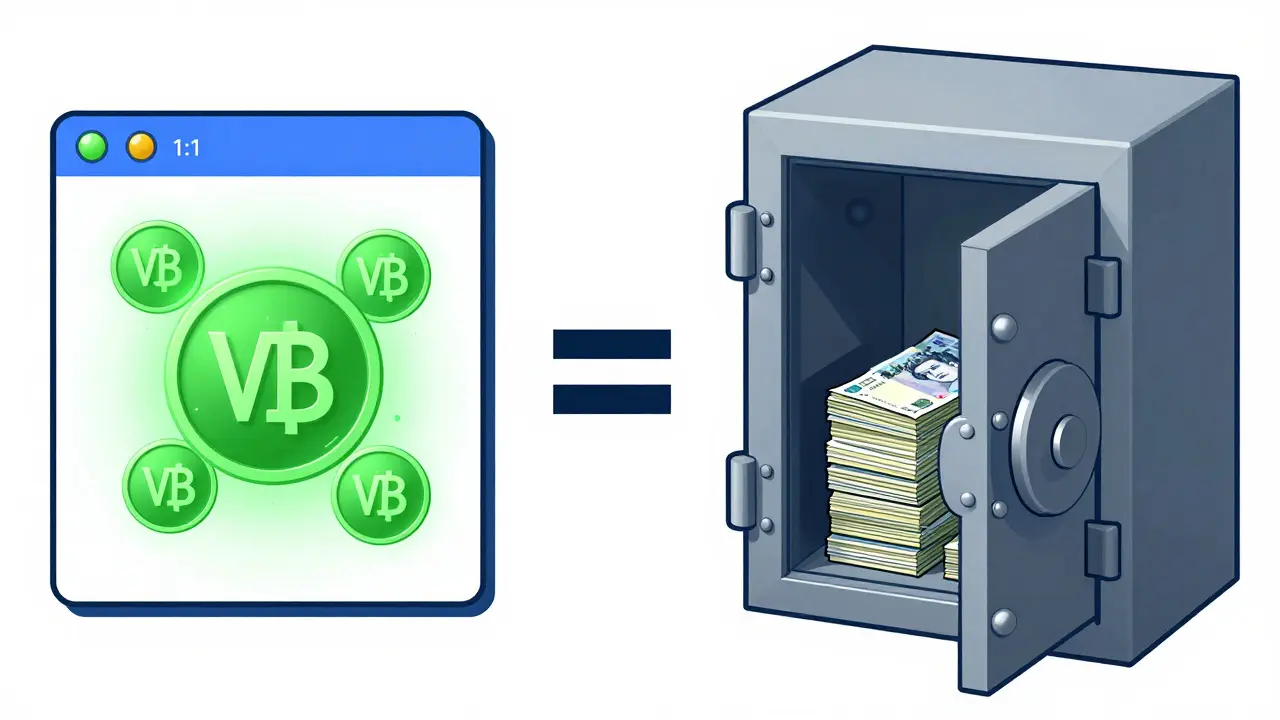
Have you ever tried to trade crypto in British pounds and found yourself stuck converting through dollars first? It adds friction, fees, and unnecessary volatility. That gap is exactly what VNX British Pound, known by its ticker VGBP, aims to fill. Launched in 2024, this isn't just another meme coin or speculative token. It is a fiat-referenced stablecoin designed to mirror the value of the British pound sterling on-chain, offering European users a regulated, bank-backed alternative for digital transactions.
If you are looking for a way to hold GBP exposure without leaving the blockchain ecosystem, understanding how VGBP works, who backs it, and where you can use it is crucial. Unlike many unregulated stablecoins that rely on opaque reserves, VGBP operates under strict European financial laws, making it a unique instrument in the crypto landscape.
How VGBP Works: The 1:1 Peg Mechanism
The core promise of any stablecoin is stability, and VGBP delivers this through a straightforward mechanism. Each VGBP token is backed 1:1 by actual British pounds held in reserve. This means if there are 100,000 VGBP tokens circulating in the market, the issuer holds exactly £100,000 in bank accounts to back them up.
This model eliminates the wild price swings typical of cryptocurrencies like Bitcoin or Ethereum. You buy VGBP expecting it to retain its value relative to the pound. The process works as follows:
- Minting: When an institution or user deposits GBP with the issuer, new VGBP tokens are created (minted) and sent to their wallet.
- Circulation: These tokens move freely across supported blockchains for trading, payments, or DeFi activities.
- Redemption: If you want your fiat back, you send VGBP to the issuer, who burns the tokens and releases the equivalent GBP from the reserve.
This elastic supply ensures the price stays anchored. If demand spikes, more tokens are minted against deposited funds. If people cash out, tokens are destroyed. There is no fixed maximum supply because the cap depends entirely on how much real money is deposited into the system.
Regulation and Trust: Why Jurisdiction Matters
In the world of crypto, trust is often built on code. For VGBP, trust is also built on law. One of the biggest differentiators for this token is its regulatory framework. Many stablecoins operate in gray areas, but VGBP is issued by a token generator licensed under the Liechtenstein Blockchain Act.
Liechtenstein has become a hub for blockchain innovation because its laws provide clear legal certainty for virtual assets. By operating under this act, VGBP is treated as a regulated financial instrument within the European Economic Area. This matters because it subjects the issuer to regular audits and compliance checks that unlicensed projects skip.
The governance structure is split between two key locations:
- Luxembourg: Home to the VNX platform, a fintech company specializing in the tokenization of real-world assets (RWA).
- Liechtenstein: Where the licensed token generator resides, ensuring legal compliance.
This dual-jurisdiction approach combines Luxembourg's strong financial infrastructure with Liechtenstein's progressive blockchain laws, creating a robust foundation for a compliant stablecoin.
Where Are the Reserves Held?
A stablecoin is only as good as the banks holding its backing. VGBP does not keep its reserves in risky offshore accounts or obscure jurisdictions. Instead, the GBP reserves are held in regulated banks located in Switzerland and Liechtenstein.
These countries are renowned for their banking stability and strict financial regulations. By parking the underlying funds here, VNX minimizes counterparty risk. Furthermore, transparency is a key feature. VNX publishes information about these reserves and independent audit results on a dedicated transparency page. This allows anyone to verify that the 1:1 backing claim holds true at any given time.
This level of disclosure sets VGBP apart from older stablecoin models that relied solely on periodic attestations rather than continuous, accessible proof of reserves.

Technical Architecture: Multichain Compatibility
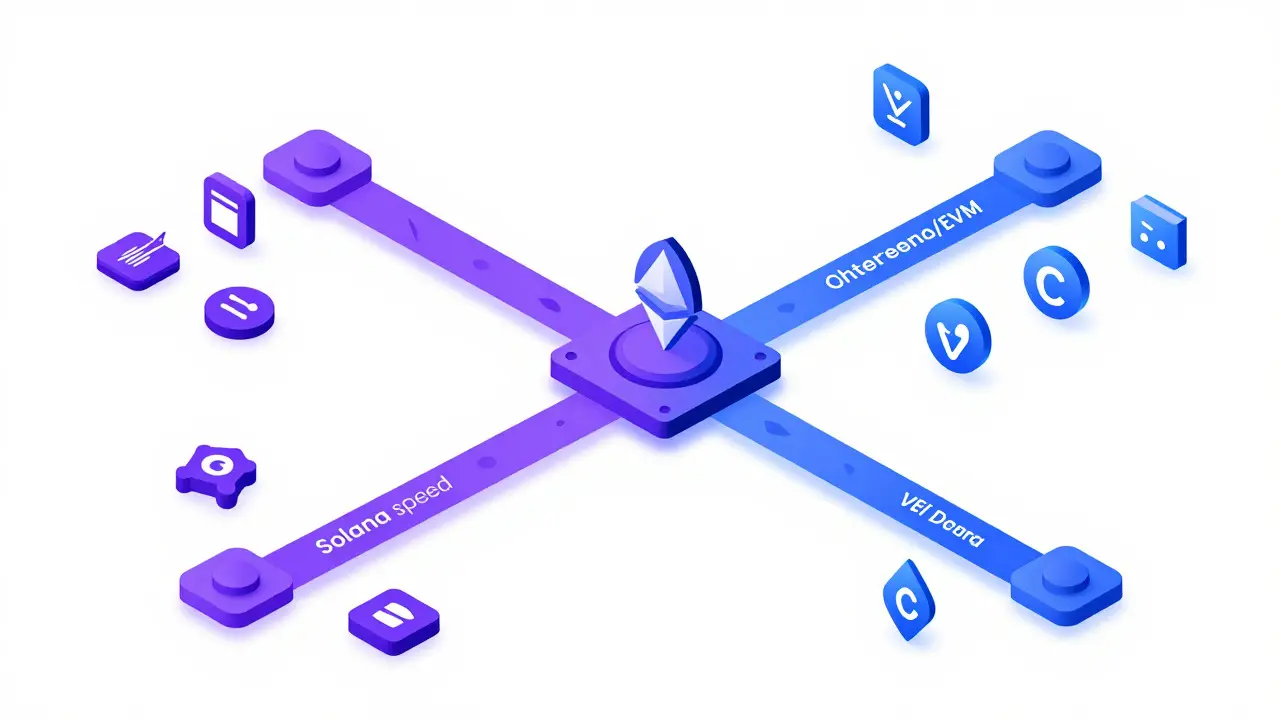
You might wonder which blockchain VGBP lives on. The answer is: several. VGBP is designed as a multichain token, meaning it exists on multiple networks simultaneously to maximize utility and reduce gas fees.
Initially launched on the Solana blockchain, VGBP benefits from Solana's high speed and low transaction costs. This makes it ideal for micro-transactions and fast trading. However, to reach a broader audience, VNX has also deployed the token on Ethereum-compatible chains (EVM networks).
| Network | Token Standard | Key Benefit | Use Case |
|---|---|---|---|
| Solana | SPL Token | High throughput, near-zero fees | Fast swaps, DeFi liquidity pools (e.g., Raydium) |
| Ethereum/EVM | ERC-20 / BEP-20 | Wide compatibility with wallets and dApps | Integration with major DeFi protocols and exchanges |
This multichain strategy ensures that whether you are using a Solana wallet like Phantom or an Ethereum wallet like MetaMask, you can likely interact with VGBP. However, always check the contract address for the specific network you are on to avoid sending funds to the wrong chain.
Market Performance and Liquidity
As of mid-2026, VGBP remains a niche asset. Its market capitalization typically hovers between $169,000 and $532,000, depending on the data source and recent minting activity. While this is tiny compared to giants like Tether (USDT) or USD Coin (USDC), it reflects its status as a specialized tool rather than a mass-market currency.
The price of VGBP tracks the GBP/USD exchange rate closely. In periods of normal market conditions, the price fluctuates minimally, often staying within a narrow band of $1.33 to $1.37 USD. Occasionally, thin liquidity can cause temporary deviations. For instance, during one observed period, VGBP spiked to $1.43 due to high trading volume ($509k in 24 hours) on a single venue. However, such events are rare, and the peg usually stabilizes quickly.
Liquidity is fragmented. Most trading happens on decentralized exchanges (DEXs) like Raydium on Solana or smaller centralized platforms. Daily volumes can vary wildly, from near zero to tens of thousands of dollars. If you plan to move large amounts of capital, be aware of potential slippage due to the relatively small pool sizes.
Who Should Use VGBP?
VGBP is not necessarily for everyone. If you need deep liquidity for massive institutional trades, established USD stablecoins might still be preferable. However, VGBP shines in specific scenarios:
- European Traders: Those who want to hedge against crypto volatility without converting back to fiat every time they pause trading.
- RWA Investors: Users participating in VNX’s broader ecosystem of tokenized real-world assets, such as precious metals or venture capital funds, may find VGBP a convenient medium of exchange.
- Compliance-Focused Entities: Businesses requiring a stablecoin that adheres to strict EU and EEA regulations for accounting and auditing purposes.
For the average retail user in the UK or Europe, VGBP offers a familiar anchor-their local currency-brought onto the blockchain with legal safeguards.
Risks to Consider
No financial instrument is risk-free. When considering VGBP, keep these factors in mind:
- Liquidity Risk: With a sub-$1 million market cap, selling large positions quickly could impact the price.
- Counterparty Risk: While reserves are in reputable banks, you still rely on the issuer (VNX) to manage those funds correctly.
- Regulatory Changes: As global stablecoin regulations evolve, requirements for issuers may change, potentially affecting operations.
- Smart Contract Risk: Though audited, any code on the blockchain carries a non-zero risk of bugs or exploits.
Always do your own research and never invest more than you can afford to lose, even in stable assets.
Conclusion
VNX British Pound (VGBP) represents a mature step forward for European crypto infrastructure. By combining the efficiency of blockchain with the security of traditional banking and the clarity of Liechtenstein law, it offers a viable option for GBP-based digital finance. Whether you are a trader seeking stability or a business exploring tokenized assets, VGBP provides a transparent, regulated bridge between the physical and digital worlds.
Is VGBP a safe stablecoin?
VGBP is considered safer than many unregulated stablecoins because it is fully backed 1:1 by GBP reserves held in Swiss and Liechtenstein banks. Additionally, it is issued under the strict Liechtenstein Blockchain Act, requiring regular audits and transparency. However, all crypto assets carry some level of risk, including smart contract vulnerabilities and liquidity issues.
Which blockchains support VGBP?
VGBP is a multichain token. It was initially launched on the Solana blockchain as an SPL token. It has also been deployed on Ethereum-compatible networks (EVM chains) to ensure wider accessibility across different wallets and decentralized applications.
How is the price of VGBP determined?
The price of VGBP is pegged 1:1 to the British Pound Sterling. This means its value in USD fluctuates based on the GBP/USD exchange rate. Currently, this translates to approximately $1.33-$1.37 USD per VGBP, depending on current forex markets.
Can I redeem VGBP for real British Pounds?
Yes. VNX states that users can buy and sell VGBP one-to-one with the British Pound. Institutional or KYC-verified clients can typically mint or redeem tokens at par value directly through the issuer or its partners, though specific minimums and processing times apply.
Who issues VNX British Pound?
VGBP is issued by VNX, a Luxembourg-based fintech platform focused on real-world asset tokenization. The actual token generation is handled by a licensed entity under the Liechtenstein Blockchain Act, ensuring regulatory compliance within the European Economic Area.