
What is MEAT Crypto? The Sausagers Token Explained (2026)
You’ve seen the ticker. You’ve seen the name. But what exactly is MEAT crypto? If you are looking for a revolutionary technology that changes how we eat or pay, you might be disappointed. MEAT is not a utility token with a complex ecosystem. It is a niche meme coin built on the Solana blockchain, deeply tied to a specific internet subculture known as the "Sausagers."
In the world of cryptocurrency, names like Bitcoin and Ethereum dominate headlines. Then there are thousands of micro-cap tokens that exist in the shadows, trading volumes measured in single digits. MEAT falls squarely into this latter category. Understanding it requires looking past the hype of generic crypto advice and examining the raw data: supply, liquidity, community, and risk.
The Origin Story: Carnivore Lifestyle and Sausagers
To understand MEAT, you have to understand its parent community. The token was developed by members of the Sausagers community, which describes itself as promoting a "carnivore lifestyle." This isn't just a marketing gimmick; it’s the core identity of the project. The token serves as a digital badge of membership for this group rather than a functional currency for buying goods or services.
Unlike projects backed by venture capital firms or established tech companies, MEAT is community-driven. There is no public whitepaper detailing a multi-year roadmap, nor are there named founders with verifiable track records in the industry. The official presence is limited to a website (meat.sausagers.xyz) and social media channels under the handle @sausagers_xyz. This lack of corporate structure is typical for meme coins but raises immediate red flags for traditional investors who look for accountability and governance.
| Attribute | Details |
|---|---|
| Blockchain | Solana |
| Max Supply | 100,000,000,000 (100 Billion) |
| Community | Sausagers / Carnivore Lifestyle |
| Utility | Community membership / Meme culture |
| Launch Context | Niche subculture token |
Technical Specifications and Market Data
When you dig into the numbers, the picture becomes clearer-and more concerning for potential buyers. The MEAT token operates on the Solana network, which is chosen for its speed and low transaction fees. This makes it easy to transfer small amounts without paying high gas costs, a common feature among meme coins.
The maximum supply is set at 100 billion tokens. In crypto terms, this is a massive number. For context, Bitcoin has a max supply of 21 million. A high supply usually means each individual token has a very low value unless the market cap explodes. Currently, MEAT trades at fractions of a cent. Reports from various tracking platforms show prices fluctuating between $0.0000007 and $0.06, depending on the exchange and liquidity pool. This volatility is extreme.
Here is where the data gets messy. Major aggregators like CoinGecko often list the market capitalization as "NaN" (Not a Number) or fail to display it entirely. Why? Because there is simply not enough reliable trading data. The 24-hour trading volume is often reported as less than $10. In some cases, it’s just $1.45. This indicates that very few people are actively buying or selling the token. Without volume, price charts can be misleading, showing spikes that represent only one or two transactions.
Liquidity and Trading Risks
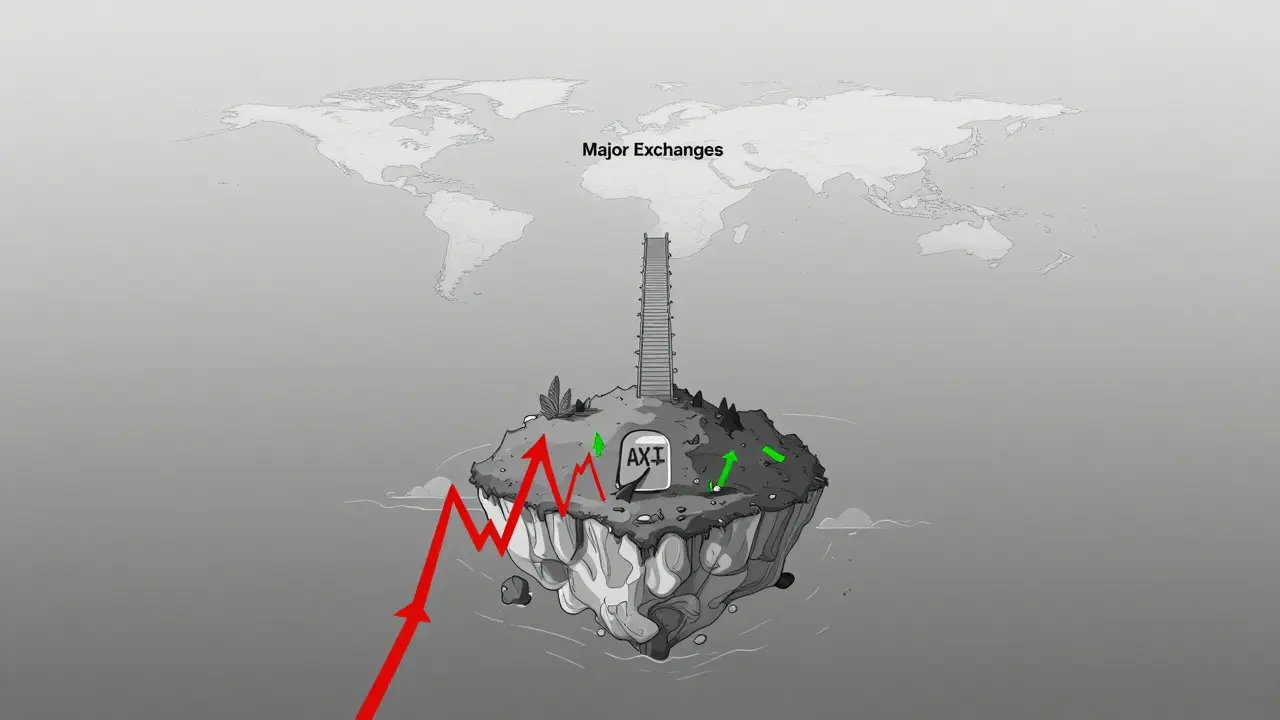
If you decide to buy MEAT, you won’t find it on major centralized exchanges like Coinbase or Binance. Instead, you’ll need to navigate decentralized exchanges (DEXs). Trader Joe is frequently mentioned as a platform where MEAT pairs with AVAX or WAVAX, though this cross-chain availability adds complexity. Most activity remains on Solana-based DEXs.
The biggest hurdle here is liquidity. Some sources indicate total liquidity pools as low as $876. Think about what that means. If you try to sell a significant amount of MEAT tokens, you could drain the entire pool, causing your sale price to crash instantly. This is known as slippage. For a retail investor, it means you might buy tokens easily but find yourself unable to sell them without losing most of their value.
- High Slippage: Large orders will drastically impact the price due to thin order books.
- Access Barriers: You need a compatible Solana wallet and knowledge of DeFi protocols.
- Data Inconsistency: Prices vary wildly across different trackers because there is no single authoritative market price.
Community Sentiment and Social Proof
Crypto markets run on attention. Tokens like Dogecoin or Shiba Inu exploded because they captured global cultural moments. MEAT, by contrast, targets a hyper-specific niche: the carnivore diet community. While this creates a loyal core group, it limits broader appeal. You won’t see memes about MEAT trending on mainstream Twitter or TikTok.
Social engagement metrics are minimal. The official channels have limited followers, and interactions are sparse. On forums like Reddit, discussions about MEAT are rare. When they do appear, they are often confused with other tokens using the same ticker symbol. There are multiple "MEAT" tokens on different blockchains, creating further confusion. Always verify the contract address before interacting with any asset.
Expert analysis is virtually non-existent. No major financial institutions or crypto research firms publish reports on MEAT. Platforms like CoinCodex may offer automated technical analysis, predicting short-term price drops based on algorithms, but these predictions carry little weight when the underlying asset has no fundamental use case or institutional backing.
Is MEAT a Good Investment?
Let’s be direct: MEAT is not an investment in the traditional sense. It is a speculative asset with extremely high risk. The probability of losing your entire principal is significant. Here is why:
- No Utility: The token does not provide access to a service, product, or governance rights that hold intrinsic value.
- Low Liquidity: You may not be able to exit your position when you want to.
- Niche Appeal: The target audience is too small to drive sustained growth compared to broader meme coins.
- Volatility: Price swings of over 500% in short periods are common, driven by tiny trade sizes.
However, if you are part of the Sausagers community and view the token as a way to support friends or participate in a shared joke, the financial risk matters less. You are paying for social capital, not financial return. Never spend money you cannot afford to lose on such assets.
How to Buy MEAT (If You Still Want To)
If you have accepted the risks and wish to proceed, here is the practical path. Remember, this involves using decentralized finance tools, which come with their own learning curve.
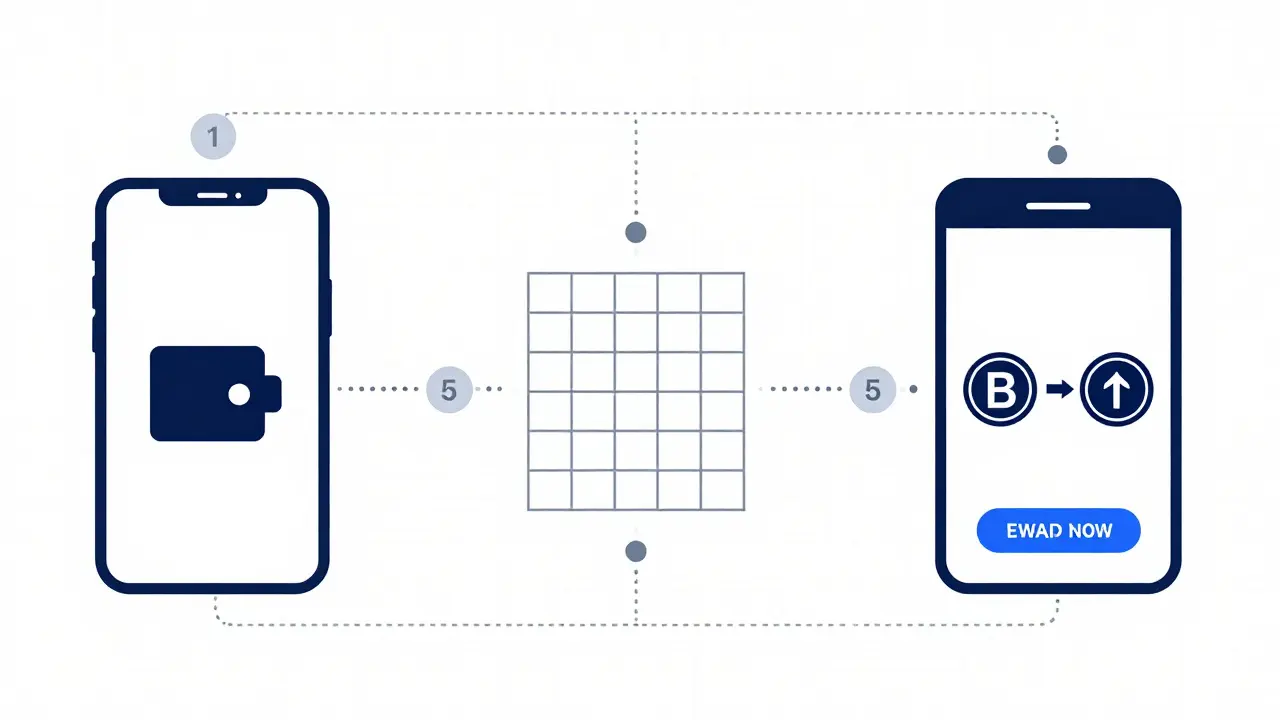
- Get a Solana Wallet: Download a reputable wallet like Phantom or Solflare. Secure your seed phrase offline. Never share it.
- Fund Your Wallet: Buy SOL (Solana) on a major exchange and transfer it to your wallet address.
- Find the Correct Contract: Go to a block explorer like Solscan. Verify the MEAT token contract address associated with the Sausagers project. Beware of scams with similar names.
- Use a DEX: Connect your wallet to a decentralized exchange like Raydium or Jupiter. Paste the MEAT contract address to swap your SOL for MEAT.
- Check Slippage: Set your slippage tolerance appropriately. Due to low liquidity, you may need to allow higher slippage (e.g., 5-10%) for the transaction to go through, but this means you get fewer tokens for your money.
Future Outlook and Viability
As of mid-2026, there are no signs of major development, partnerships, or exchange listings for MEAT. The project appears stagnant in terms of marketing and utility expansion. In the crypto lifecycle, many such tokens fade into obscurity once the initial novelty wears off. Without a catalyst-such as a viral moment, a celebrity endorsement, or a new utility feature-the token is likely to remain a micro-cap curiosity.
The broader trend in crypto favors tokens with clear use cases or massive communities. MEAT lacks both. Its future depends entirely on the continued enthusiasm of a small, insular group. For the average investor seeking growth or stability, MEAT offers neither. It is a reminder that in crypto, not every shiny new token is worth your time.
What is the current price of MEAT crypto?
The price of MEAT is highly volatile and difficult to pin down due to low liquidity. As of recent data, it trades in fractions of a cent, ranging from $0.0000007 to $0.06 depending on the platform. Always check real-time data on a reliable aggregator before trading.
Is MEAT coin a scam?
There is no evidence of a deliberate scam, but it carries high risk. It is a legitimate token on the Solana blockchain created by the Sausagers community. However, the lack of transparency, low liquidity, and absence of utility make it a dangerous speculation. Treat it as entertainment, not investment.
Where can I buy MEAT tokens?
MEAT is not available on major centralized exchanges like Coinbase or Binance. You must use a decentralized exchange (DEX) on the Solana network, such as Raydium or Jupiter. You will need a Solana-compatible wallet and SOL to perform the swap.
What is the total supply of MEAT?
The maximum supply of the MEAT token is 100,000,000,000 (100 billion) tokens. This large supply contributes to the low per-token price.
Why is MEAT called a carnivore lifestyle token?
The token was created by the Sausagers community, which promotes a carnivore diet lifestyle. The token serves as a symbol of membership and identity within this specific niche group, rather than having any connection to food production or nutrition technology.