
What is Lily's Coin (LILY)? Everything You Need to Know About This Memecoin
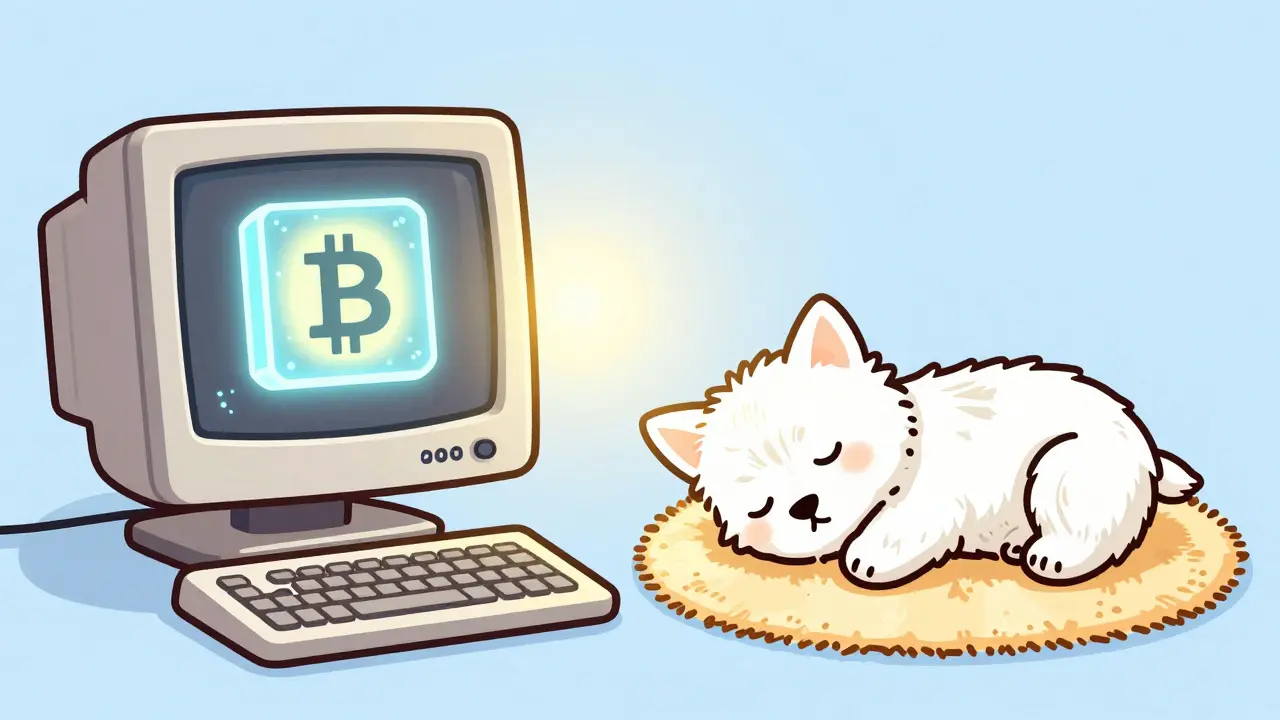
Imagine a dog born on the exact same day the world's first blockchain was ignited. On January 3, 2009, while Bitcoin is the decentralized digital currency that started the cryptocurrency revolution was mining its first block, a West Highland Terrier named Lily was born. This strange, charming coincidence is the entire foundation of Lily's Coin (LILY). It's not trying to solve a complex engineering problem or replace the global banking system; it's a tribute to a dog and a nod to crypto history.
The Story Behind the Token
Most tokens in the LILY crypto space are created by a developer with a random image and a hope for a quick pump. Lily's Coin is a bit different. It's a Memecoin, which is a type of cryptocurrency that derives its value primarily from community hype and internet culture rather than technical utility. However, LILY ties its identity to the "Genesis Block" of Bitcoin. By mirroring the birth date of the original cryptocurrency, it creates a nostalgic bridge for long-term holders who remember the early days of the 2009 mining era.
Technical Specs and Scarcity
While it's designed for fun, the creators didn't just make an infinite amount of coins. They decided to copy the most famous rule in crypto: the hard cap. Lily's Coin has a fixed maximum supply of exactly 21 million tokens. This is a direct mirror of Bitcoin's supply limit, intended to create artificial scarcity. If you're used to memecoins with trillions of tokens in circulation, LILY feels almost like a rare collectible in comparison.
Currently, about 16.8 to 17 million tokens are circulating, meaning roughly 80% of the total supply is already out in the wild. The token runs on Ethereum infrastructure, which allows it to be compatible with various digital wallets and decentralized exchanges.
| Attribute | Value / Detail |
|---|---|
| Max Supply | 21,000,000 LILY |
| Circulating Supply | ~16.8M - 17M LILY |
| Network | Ethereum |
| All-Time High | $1.39 (Nov 12, 2024) |
| Market Cap Category | Micro-cap |
Price Volatility and Market Reality
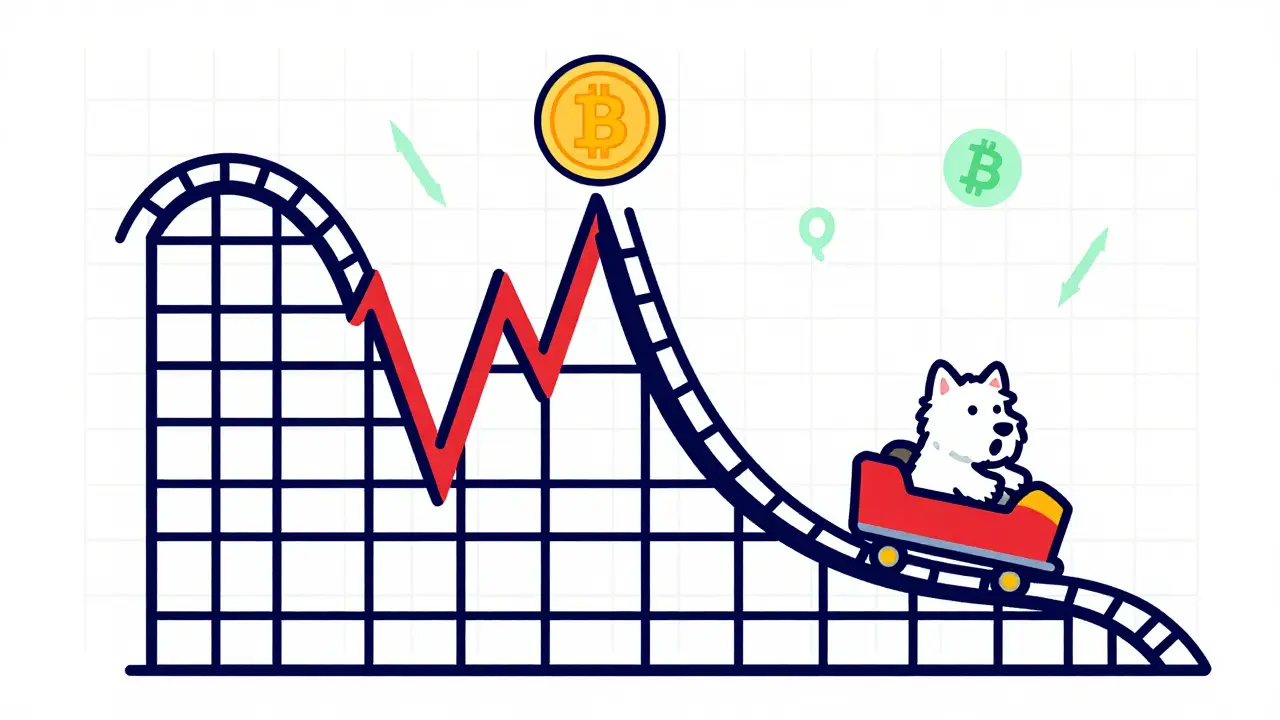
If you're looking at the charts for LILY, you'll see a rollercoaster. In November 2024, the coin hit a massive peak of $1.39. Since then, it has crashed nearly 99.9%, trading at fractions of a cent on platforms like CoinGecko and Bybit. This is a textbook example of a "pump and dump" cycle, where early hype drives the price to an unsustainable height before most investors exit.
One weird thing about LILY is the price discrepancy between exchanges. Because the liquidity is so thin (meaning there aren't many buyers and sellers), you might see one price on Binance and a completely different one on Coinbase. When a coin has a tiny market cap-ranging from $7,000 to $29,000-even a single person buying a few hundred dollars worth of tokens can swing the price by 10% or 20% in minutes.
Comparing LILY to the Memecoin Giants
How does this stack up against the big players? While LILY has a cool story and a strict supply cap, it lacks the massive "network effect" of the industry leaders. To understand where LILY sits, you have to look at the hierarchy of the memecoin world.
- The Titans: Dogecoin and Shiba Inu. These have billions in market cap and are recognized globally.
- The Cultural Hits: Tokens like Pepe, which rely on internet memes and viral trends.
- The Micro-caps: Tokens like Lily's Coin. These are high-risk, high-reward bets where the community is small and the volatility is extreme.
The Risks: Is This an Investment or a Gamble?
Let's be real: investing in a coin with a $10,000 market cap is more like playing a slot machine than building a retirement portfolio. Because LILY doesn't have a roadmap, a technical whitepaper, or a utility (it doesn't "do" anything other than exist as a token), its value is based entirely on whether other people want to buy it.
The biggest risk here is liquidity. If you hold a large amount of LILY and try to sell it all at once, you might find there aren't enough buyers to take your position without crashing the price further. This is why the 24-hour trading volumes are often tiny, sometimes only a few hundred dollars. If the community loses interest, the token can effectively drop to zero because there is no underlying business or technology supporting the price.
How to Trade and Store LILY
If you're still tempted to jump in for the novelty, you'll need a way to hold the tokens. Since it's an Ethereum-based token, you can use a Phantom wallet or any standard ERC-20 compatible wallet. Trading is available on a few platforms, but always check the volume before you buy. If a platform shows $0 in 24-hour volume, you're essentially buying a token you might not be able to sell back easily.
What is the purpose of Lily's Coin?
Lily's Coin is a community-driven memecoin designed for entertainment. Its primary purpose is to honor the coincidence of a dog named Lily being born on the same day Bitcoin's first block was mined (January 3, 2009). It does not provide a technical service or software utility.
Why does LILY have a 21 million token limit?
The 21 million limit is a direct tribute to Bitcoin's maximum supply. By capping the tokens, the creators aimed to combine the playful nature of a memecoin with the scarcity principles that make Bitcoin valuable.
Is Lily's Coin a safe investment?
No, it is considered a very high-risk speculative asset. With an extremely low market capitalization and a history of massive price drops (over 99% from its peak), there is a significant risk of losing your entire investment.
Where can I buy LILY tokens?
LILY is listed on various platforms including Binance, Coinbase, and Bybit, as well as tracking sites like CoinGecko. However, liquidity varies wildly between these exchanges.
Who is the team behind Lily's Coin?
There is no publicly documented development team or corporate leadership. Like many memecoins, it operates as a decentralized community project without a formal roadmap or CEO.
24 Comments
The comparison to Bitcoin's supply is just basic marketing. It does not actually create value to have 21 million tokens if the underlying demand is zero. This is a fundamental misunderstanding of scarcity in economics.
Just a heads up for anyone looking at this, check the liquidity pools on Uniswap before you dive in. If the slippage is too high, you're basically donating your money to the project.
Typical psyop to distract us from the real CBDC rollout. They use a dog to make us feel warm and fuzzy while the shadow banks manipulate the order blocks. It is all a front for the globalist agenda to track every single satoshi through the Ethereum layer 2s. Wake up people, the 21 million cap is a mirror trap to make you think you have control over your assets while the whales are just laundering dirty money through these micro-caps. The deep state loves these memecoins because it keeps the retail sheep gambling instead of fighting the system.
A dog born on the same day as Bitcoin is actually such a cute story! 🐶 Even if it's risky, it's nice to see some creativity in the crypto space. Stay safe everyone! ✨
OMG I CANT EVEN believe people are still buying this stuff after a 99% crash!!! Like actually what is wrong with you guys?? It is literally a scam and we are all just pretending its cute lol!
How quaint that some people actually find the 'birth date' connection meaningful. It is truly a fascinating study in human gullibility.
Too risky!!! Total gamble!!!
Think about the nature of value... it's all just a shared hallucination anyway. LILY is just a more honest version of the gamble than most 'utility' tokens that lie about their roadmap. I lapped some up just for the meme of it all, though i probabbly lost half already haha.
Just keep learning and be careful with your money!
If you're going to trade these, use a burn wallet. Seriously, don't keep your main funds in a wallet connected to a micro-cap contract you don't trust. It's a simple step that saves you from total drain if there's a hidden mint function in the code.
The liquidity is nonexistent. This is an irresponsible asset.
I wonder if the dev actually owned a dog or if this is just a fabrication... the lack of a whitepaper is a huge red flag!!!
Absolute rubbish. The lack of fundamental utility makes this nothing more than a digital casino for the intellectually bankrupt. We used to have standards for currency before these degenerate tokens took over.
ERC20 tokens with low float are basically just volatility machines. The arbitrage between exchanges is just a result of fragmented liquidity pools and lack of a centralized market maker.
Hey guys! Just imagine how funny it'll be when this hits $1 again and everyone who called it a scam is crying in their pillows! To the moon! 🚀
It is a tragedy that people mistake a gambling addiction for an investment strategy. This is not wealth creation; it is a descent into financial chaos.
it's okay to enjoy the ride as long as you dont spend money you need for rent
There is something so poetic about a dog and a blockchain sharing a birthday! It's like a little spark of destiny in a world of cold numbers!
Honestly, the people promoting this as an 'investment' are just evil. You can't call something with a 99% crash a safe bet, it's literally predatory to lure newbies into this!
i tried to find the contract adress but its so confusing on some of these sites... just be careful with the fake tokens that use the same name!
Slay! Who cares about the money when the vibes are this good! Just keep believing in the magic of the doggo!
the typical retail mindset is just to buy the dip without realizing there is no floor because there is no value floor to begin with just a void of liquidity where your money goes to die
LILY is just a joke but hey that's how the US market works, we just print money and buy dogs! I'm in for the ride regardless!
The sheer lack of institutional backing combined with the fragmented liquidity across non-tier-1 exchanges proves that this is nothing more than a speculative bubble driven by algorithmic noise and retail FOMO which is typical for these low-cap assets that have no sovereign backing or real-world application in a patriotic economy.