
What is GoPlus Security (GPS)? A Complete Guide to the Token and Tech
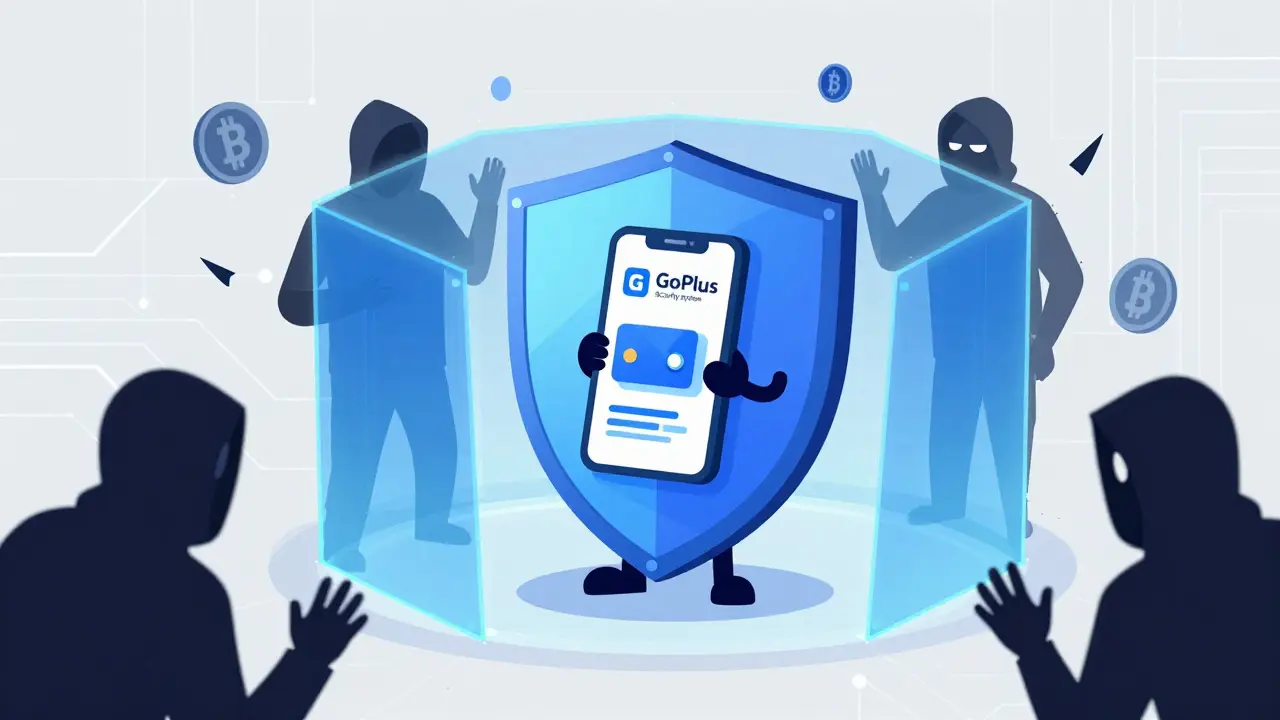
Imagine sending money to a friend, only to realize the wallet address you copied was actually a hacker’s trap. In the world of Web3 is the decentralized internet built on blockchain technology, this isn’t just a hypothetical nightmare-it happens every day. Scams, phishing sites, and malicious smart contracts drain billions from users who don’t know better. That’s where GoPlus Security comes in.
GoPlus Security acts as a digital bodyguard for your crypto transactions. It doesn’t just audit code once; it watches every transaction in real-time, flagging risks before you even click "confirm." But what exactly is the GPS token is the native cryptocurrency used for governance, staking, and paying for security services within the GoPlus ecosystem? And why should you care if it’s safe or not?
This guide breaks down how GoPlus works, what the GPS coin does, and whether it’s worth your attention in the current market.
How GoPlus Security Actually Works
Most people think blockchain security means hiring an auditor to check code before launch. While that helps, it doesn’t stop hackers who exploit live systems or trick users into signing bad deals. GoPlus takes a different approach: it builds a continuous, automated shield around user interactions.
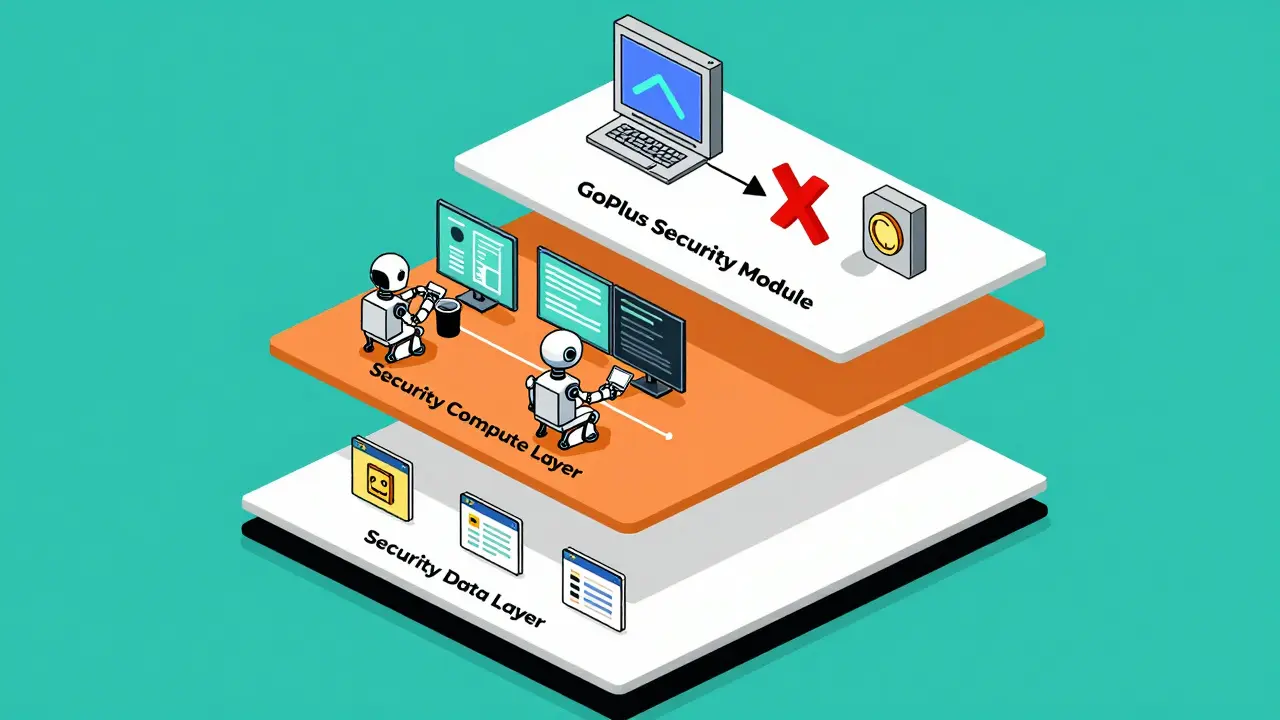
The system runs on three main layers:
- Security Data Layer: This part collects threat intelligence. It scans tokens, websites, and addresses to spot red flags-like a token that lets the owner mint unlimited supply or a website mimicking a popular exchange.
- Security Compute Layer: Here, AVS operators are decentralized nodes that stake capital to run security checks and validate transaction safety do the heavy lifting. They analyze transaction data in real-time using rules and AI models to detect phishing, rug pulls, or suspicious approvals.
- GoPlus Security Module (GSM): Think of this as an on-chain firewall. When you try to send funds, GSM checks the transaction against its database. If it looks dangerous, it blocks or warns you before the deal goes through.
Unlike traditional audits that give you a static report, GoPlus provides dynamic protection. It’s like having antivirus software that updates itself instantly based on new threats.
What Is the GPS Token Used For?
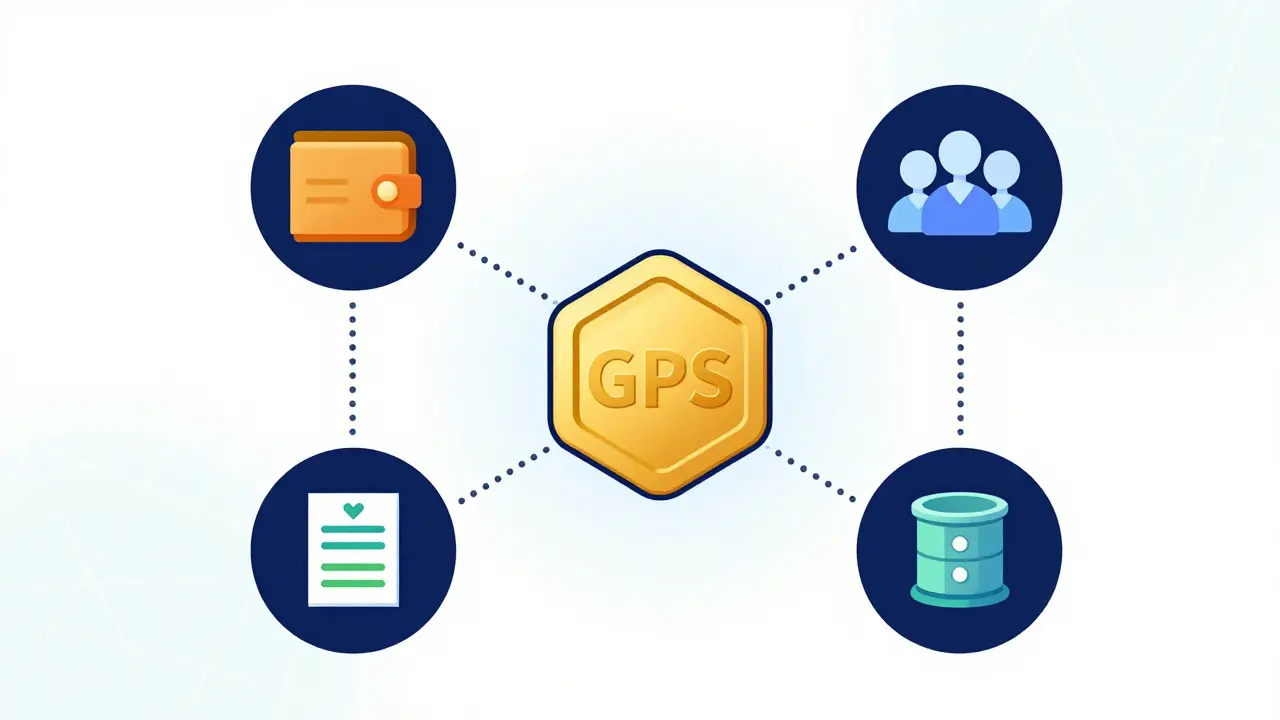
You can’t talk about GoPlus without mentioning its native coin, GPS. The token isn’t just for speculation; it powers the entire network. Here’s how:
- Paying for Services: Wallets, dApps, and protocols use GPS to pay for security checks. This keeps the service sustainable without relying solely on ads or subscriptions.
- Rewarding Contributors: People who help identify scams, label malicious addresses, or run AVS nodes earn GPS rewards. This incentivizes the community to keep the network safe.
- Governance: Holders vote on key decisions, such as which chains to support, fee structures, and protocol upgrades. It’s a democratic way to shape the project’s future.
- Staking: Users lock up their GPS to secure the network. Operators must stake significant amounts to prevent cheating-if they act maliciously, they lose their stake.
In short, GPS aligns everyone’s interests. The more secure the network becomes, the more valuable the token tends to be.
Tokenomics and Supply Details
Understanding the supply mechanics helps gauge potential inflation or scarcity. GoPlus has a maximum total supply of 10 billion GPS tokens. However, not all of these are circulating right now.
Data varies slightly across exchanges due to different counting methods, but here’s a general snapshot:
| Metric | Value |
|---|---|
| Total Supply | 10,000,000,000 GPS |
| Circulating Supply (Est.) | ~4.4 Billion GPS |
| All-Time High Price | $0.2201 (Jan 31, 2025) |
| All-Time Low Price | $0.0044 (Dec 18, 2025) |
| Launch Date | January 16, 2025 |
Note that circulating supply figures differ between platforms like Kraken (~4.4B) and Coinbase (~1.8B). This usually stems from how each platform treats locked or vested tokens. Always check multiple sources before making investment decisions.
Market Performance and Volatility
Crypto markets are wild, and GPS is no exception. After launching in January 2025, the token surged quickly, hitting an all-time high of $0.22 shortly after. But then came the crash. By April 2025, prices had dropped nearly 90%, settling around $0.015.
Since then, it has seen periods of stabilization followed by further declines, reaching lows below $0.005 in late 2025. As of mid-2026, the price hovers in the low cents range, with market caps fluctuating between $30M and $60M depending on the exchange.
This volatility reflects broader trends in altcoins. Early hype drives prices up, but long-term value depends on actual usage. If more wallets integrate GoPlus’s API and users rely on its protections, demand for GPS could stabilize and grow. Until then, expect swings.
Who Uses GoPlus Security?
GoPlus isn’t just for individual traders. Its tools serve various players in the crypto space:
- Wallet Providers: Apps like Trust Wallet or MetaMask can embed GoPlus APIs to warn users when they interact with risky contracts.
- DeFi Protocols: Lending platforms or DEXs use it to screen borrowers or liquidity providers for fraud history.
- AI Agents: With the rise of autonomous bots trading on-chain, GoPlus offers specialized security checks to ensure these agents don’t get scammed or make harmful moves.
The more integrations happen, the stronger the network effect becomes. Each new partner adds data points, improving accuracy for everyone else.
Pros and Cons of Investing in GPS
Before buying any crypto, weigh the benefits against the risks. Here’s a balanced look at GoPlus Security:
Advantages:
- Real Utility: Unlike meme coins, GPS solves a critical problem-user safety in Web3.
- Decentralized Model: Community-driven validation reduces reliance on single companies.
- AI Integration: Machine learning enhances detection capabilities beyond simple rule-based filters.
- Early Mover Status: One of the first projects focused specifically on decentralized transaction firewalls.
Risks:
- High Volatility: Past crashes show sharp drawdowns are possible.
- Regulatory Uncertainty: Tokens used for governance and fees face scrutiny worldwide.
- Competition: Other firms like Forta or CertiK offer similar services, though often centralized.
- Adoption Hurdles: Success depends on widespread integration by major wallets and apps.
Is GoPlus Security Legit?
Yes, GoPlus Security is a legitimate project backed by experienced founders and reputable investors. Founded in 2020 by Yufeng Xu and based in Singapore, the team has spent years building security infrastructure before launching the GPS token. Partnerships with top-tier VCs like Binance Labs add credibility.
However, legitimacy doesn’t guarantee profit. Many solid projects fail due to poor execution or market conditions. Do your own research (DYOR) and never invest more than you can afford to lose.
Final Thoughts
GoPlus Security represents a shift toward proactive, embedded safety in blockchain ecosystems. Instead of reacting to hacks after they happen, it aims to prevent them upfront. The GPS token fuels this vision by rewarding contributors and enabling governance.
If you believe Web3 will grow massively, security solutions like GoPlus become essential. But remember, tech promises don’t always translate to immediate financial gains. Watch adoption metrics closely. Are more wallets using their API? Is the number of flagged threats increasing? These signs matter more than short-term price spikes.
Where can I buy GoPlus Security (GPS) tokens?
You can trade GPS on major exchanges like Binance and Kraken. Note that Coinbase tracks the price but does not currently allow direct trading. Always verify listings on official exchange websites to avoid fake tokens.
Is GoPlus Security free to use?
For end-users interacting through integrated wallets, basic security warnings are typically free. Developers and protocols calling the API directly may need to pay fees using GPS tokens or other supported currencies, depending on usage volume.
How does GoPlus compare to Forta?
Both provide decentralized security monitoring. Forta focuses heavily on anomaly detection via bots, while GoPlus emphasizes an on-chain firewall (GSM) and direct wallet integration for user-level protection. GoPlus also leans more into AI agent security recently.
What causes the difference in circulating supply numbers?
Exchanges calculate circulating supply differently. Some include all minted tokens, while others exclude those locked in vesting schedules or team allocations. Check the project’s official tokenomics document for the most accurate breakdown.
Can I stake GPS to earn rewards?
Yes, staking allows you to contribute to network security and potentially earn rewards. Specific APY rates and lock-up periods vary over time, so check the latest details on the official GoPlus staking portal or partnered platforms.
25 Comments
Oh my gosh, this is absolutely terrifying and yet so necessary! I actually lost half my portfolio last year because I clicked a link that looked exactly like the real exchange. It was a nightmare. 😱 Seeing something like GoPlus that acts as a real-time shield gives me so much hope for the future of crypto safety. We really need these kinds of tools to be standard everywhere, not just an option. The idea of an on-chain firewall is brilliant!
i mean its nice but do we trust another centralized entity to watch our txs? feels like giving ur keys to someone else lol
The philosophical implication here is profound: can security ever be truly decentralized if it relies on validators who are incentivized by tokens? Or does the tokenization itself create a new form of centralization through economic pressure? 🤔
good point caitlin but the avS model tries to solve that by having many nodes check things. still risky though i guess
You are all missing the forest for the trees. The utility is irrelevant if the tokenomics are designed to dilute early holders. Look at the circulating supply discrepancy between Kraken and Coinbase. That is a red flag waving in your face.
I think we should focus on the positive aspects here. The fact that they are integrating with major wallets like Trust Wallet is a huge step forward for user education. Everyone deserves to feel safe when transacting.
i dont know about all this tech stuff but i hate getting scammed. if this app stops me from sending money to hackers then im down. hope it works tho :)
you guys are so naive thinking a firewall will save you from yourself. most losses come from users signing malicious approvals willingly because they cant read code. go plus is just selling snake oil to the uninformed masses who think they need protection instead of just learning how blockchain works
Actually, the AVS architecture is pretty solid if you look at the underlying mechanics. It’s not just a black box; it’s a distributed validation network. Plus, the AI integration for detecting rug pulls is genuinely impressive compared to static audits. 🚀🛡️
Let’s break this down logically. The primary value proposition is risk mitigation. If the cost of using GPS is lower than the potential loss from a scam, the utility is proven. However, the volatility mentioned in the article suggests that market sentiment hasn’t caught up with the fundamental utility yet.
American innovation at its finest, or so they claim. But let’s be real, this is just another way for foreign entities to siphon data from US citizens under the guise of 'security'. We don’t need Singaporean firewalls watching our transactions.
Sure, keep telling yourself that while your wallet gets drained by a phishing site. Maybe try using the tool instead of complaining about where it’s based? 🙄
This project is fundamentally flawed. The tokenomics are a disaster waiting to happen. The team holds too much power, and the staking rewards are likely unsustainable. I would advise anyone with actual capital to stay far away from this garbage. 📉
You elitists always hate on anything that doesn't fit your narrow definition of 'decentralization'. Real people need protection. You’re just mad because you got rugged and now you blame the tool instead of your own incompetence.
oh please. the whole concept of 'security' in crypto is a joke. nothing is safe. your keys are never yours if some server says its ok. this is just surveillance capitalism repackaged as web3 goodness. typical american blind faith in tech solutions to human problems.
While skepticism is healthy, dismissing the entire utility of automated threat detection is counterproductive. The integration with DeFi protocols allows for screening borrowers, which reduces systemic risk. This is a net positive for the ecosystem’s maturity.
The distinction between Forta and GoPlus is often misunderstood. Forta is primarily for anomaly detection via bots, whereas GoPlus focuses on the user-level transaction firewall. Both have their place, but GoPlus seems more accessible to the average retail user.
So basically, you pay GPS tokens to let them decide if your transaction is safe? That sounds like a honeypot for insider trading. Who audits the auditors? And why is the price dropping so hard if it's so good?
It is important to consider that adoption takes time. The initial hype cycle has passed, and now we are in the build phase. The partnerships with Binance Labs provide a layer of credibility that many other projects lack.
I literally just got flagged by a similar service yesterday and it turned out to be a false positive. Now I’m stuck waiting for support to release my funds. Is GoPlus any different or is it just another gatekeeper causing headaches?
Deep state surveillance wrapped in blockchain jargon. They want to track every cent you move. Once they have the data, they can freeze assets whenever they want. Do not fall for this trap.
lol u guys are so dumb. the ai is just basic pattern matching. easy to bypass. buy high sell low thats the only strategy that works here 📉💀
The technical architecture is rudimentary at best. Anyone with basic reverse engineering skills can spoof the API responses. This is not security, it is theater for the masses.
Everyone here is acting like this is the holy grail. It’s just another token trying to ride the security narrative wave. The price action tells the real story, and it’s ugly.
Despite the noise and the cynicism, there is genuine potential here for creating a safer internet. We are moving towards a world where digital interactions are seamless, and security must be invisible and automatic. GoPlus is attempting to solve a massive pain point, and even if the execution has hiccups, the direction is correct. Let’s give it a chance to mature rather than tearing it down before it starts.