
BitParax Exchange Review: Risks of an Unreachable Crypto Platform
A detailed review of BitParax Exchange, its shutdown, risks of unregulated crypto platforms, and how to choose a safe exchange.
Read MoreWhen talking about unregulated exchange, a trading platform that operates without official licensing or oversight from financial authorities. Also known as unlicensed crypto platform, it often markets itself as a crypto exchange, promising low fees or exotic token listings. The reality is that without a regulator’s stamp, there’s no clear accountability, which makes decentralized exchange concepts blur with outright rogue sites. This lack of licensing creates a direct link between the unregulated exchange and heightened fraud risk, because there’s no legal recourse if the platform vanishes or manipulates prices. In other words, the central topic unregulated exchange encompasses market opacity, and it requires users to rely on personal research rather than protective frameworks.
Regulation acts as a safety net for traders. When a platform is subject to exchange regulation, it must meet capital, AML, and security standards, reducing the chance of a sudden shutdown. Unregulated exchanges skip these checks, which often leads to exchange scams such as exit fraud, wash trading, or hidden fees. The relationship here is clear: the absence of regulation increases the likelihood of scams, and scammers exploit the same loopholes that let unlicensed platforms list any token without scrutiny. Recent examples from our own coverage—like the collapse of AOFEX or the JPEX scandal—show how quickly a seemingly legit service can turn into a loss generator when oversight is missing. Users need to ask themselves: does the platform provide clear KYC, proof of reserves, and a transparent fee structure? If the answer is no, the risk profile spikes dramatically.
So, how do you protect yourself? Start with the basics: verify the exchange’s jurisdiction, check for a license number, and search for independent security audits. Compare the platform’s features against known regulated peers—look at fee schedules, withdrawal limits, and customer support responsiveness. Tools like blockchain explorers can confirm whether the exchange’s wallets hold the advertised liquidity, while community forums often flag suspicious behavior early. Our collection below dives deep into specific cases, from Upbit Indonesia’s compliance steps to the warning signs of the hidden Chinese underground market. By understanding the ecosystem of unregulated exchanges, you’ll be better equipped to spot red flags, avoid costly mistakes, and choose platforms that actually protect your assets.
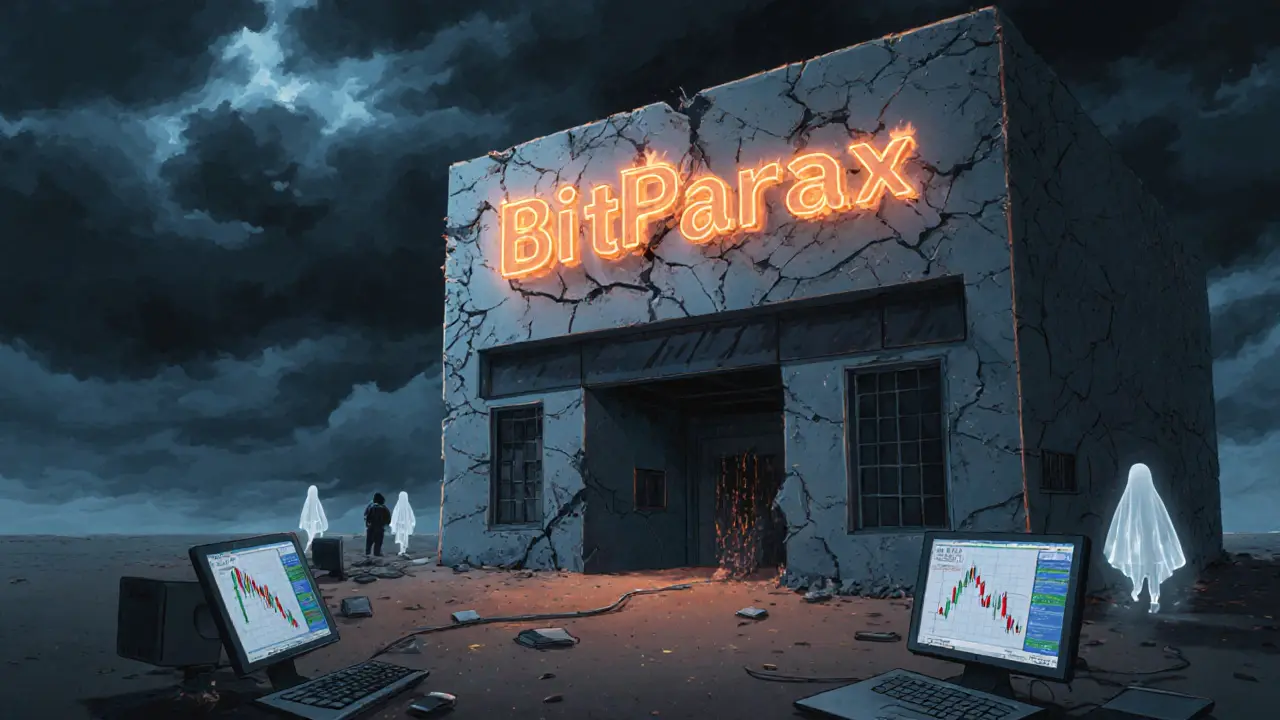
A detailed review of BitParax Exchange, its shutdown, risks of unregulated crypto platforms, and how to choose a safe exchange.
Read More