
2FA for Cryptocurrency Accounts: What It Is and How to Secure Your Crypto
Learn what 2FA for cryptocurrency accounts is, how it works, setup steps, best methods, backup strategies, and essential security tips to keep your crypto safe.
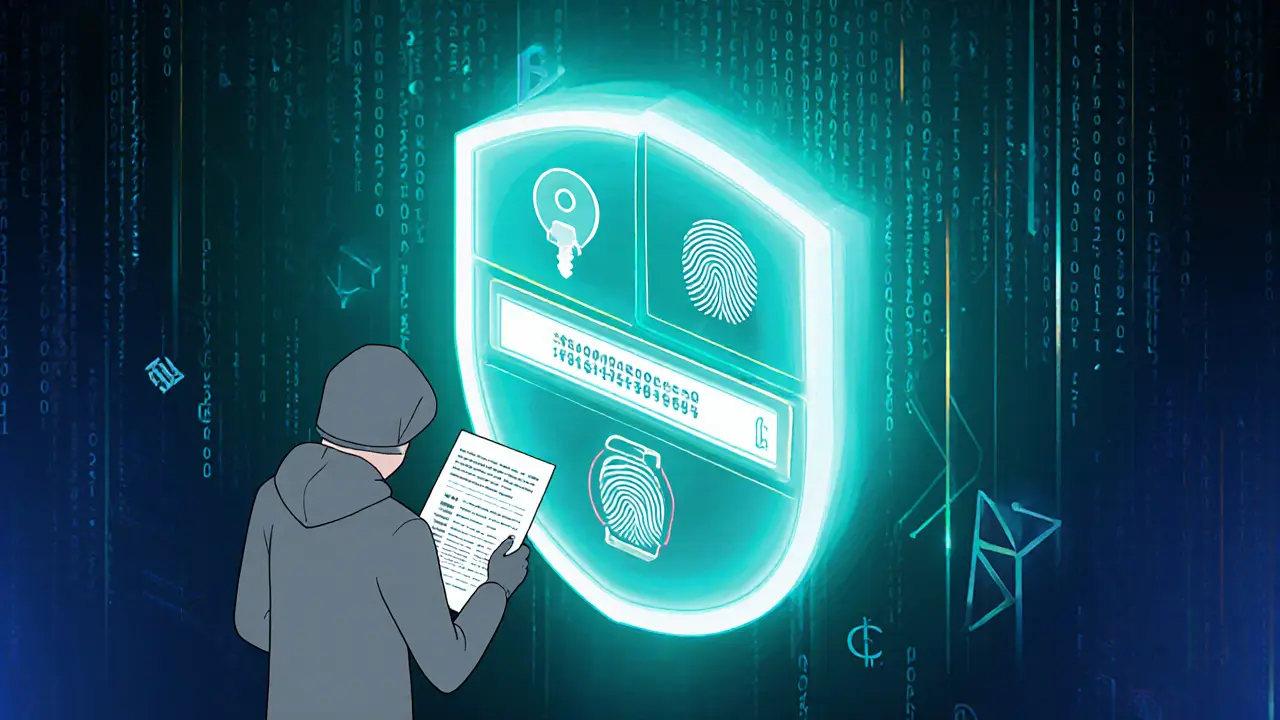
Read MoreWhen working with Two‑factor authentication crypto, a security process that asks for two independent proofs before granting access to a crypto account. Also known as 2FA, it helps keep your funds safe from unauthorized logins. This extra step isn’t a luxury; it’s become the baseline for anyone serious about protecting crypto holdings.
Most users start by enabling two-factor authentication crypto on their favorite crypto exchange, online platforms where you trade, deposit, and withdraw digital currencies. Once the exchange locks down your sign‑in, a second factor—often a code from an authenticator app, a mobile tool that generates time‑based one‑time passwords (TOTPs)—adds a layer that thieves can’t easily replicate. Pairing the exchange with a hardware wallet, a physical device that stores private keys offline creates a powerful shield: the wallet protects the keys, while 2FA protects the login.
Not all second factors are equal. An authenticator app like Google Authenticator or Authy produces a fresh code every 30 seconds, which satisfies the semantic triple: "Two‑factor authentication crypto requires an authenticator app." By contrast, SMS verification relies on carrier networks and is vulnerable to SIM‑swap attacks. Email codes add a similar weak link because email accounts are often the first target for phishing. For maximum security, choose a dedicated app or a hardware token such as YubiKey; both satisfy the triple: "Hardware wallets complement two‑factor authentication crypto."
Why does this matter? Phishing scammers trick users into revealing their passwords, but without the second factor they hit a dead end. SIM‑swap fraudsters hijack phone numbers to intercept SMS codes, so relying on text messages weakens the protection. When you combine a strong password, a TOTP generator, and a hardware wallet, you create a chain where each link must be broken simultaneously—an effort that deters most attackers. This relationship follows the triple: "Two‑factor authentication crypto mitigates phishing risks."
Here are the best‑practice steps you’ll want to follow: (1) enable 2FA on every exchange, wallet, and DeFi platform you use; (2) prefer authenticator apps or hardware tokens over SMS; (3) write down backup codes and store them in a fire‑proof safe; (4) keep the hardware token firmware updated; and (5) regularly review active sessions to spot any unauthorized access. Treat each step as a separate defense line, because the more layers you add, the harder it becomes for a hacker to succeed.
Regulators worldwide are beginning to require strong customer authentication for crypto services, which means 2FA isn’t just a personal choice—it’s becoming a compliance standard. Platforms that ignore these rules risk fines or forced shutdowns, and users on those platforms lose the safety net that 2FA provides. By adopting robust two‑factor methods now, you stay ahead of both security threats and emerging legal expectations.
Future developments point toward password‑less logins that combine biometrics, device attestation, and decentralized identity solutions. While these ideas are promising, they still rely on the core principle that at least two independent proofs are needed before granting access. Until those standards mature, the combination of authenticator apps, hardware wallets, and vigilant backup practices remains the most reliable way to safeguard your crypto portfolio. Below you’ll find a curated list of articles that dive deeper into each tool, compare exchange security features, and show you how to set up strong 2FA across dozens of platforms.
Learn what 2FA for cryptocurrency accounts is, how it works, setup steps, best methods, backup strategies, and essential security tips to keep your crypto safe.
Read More