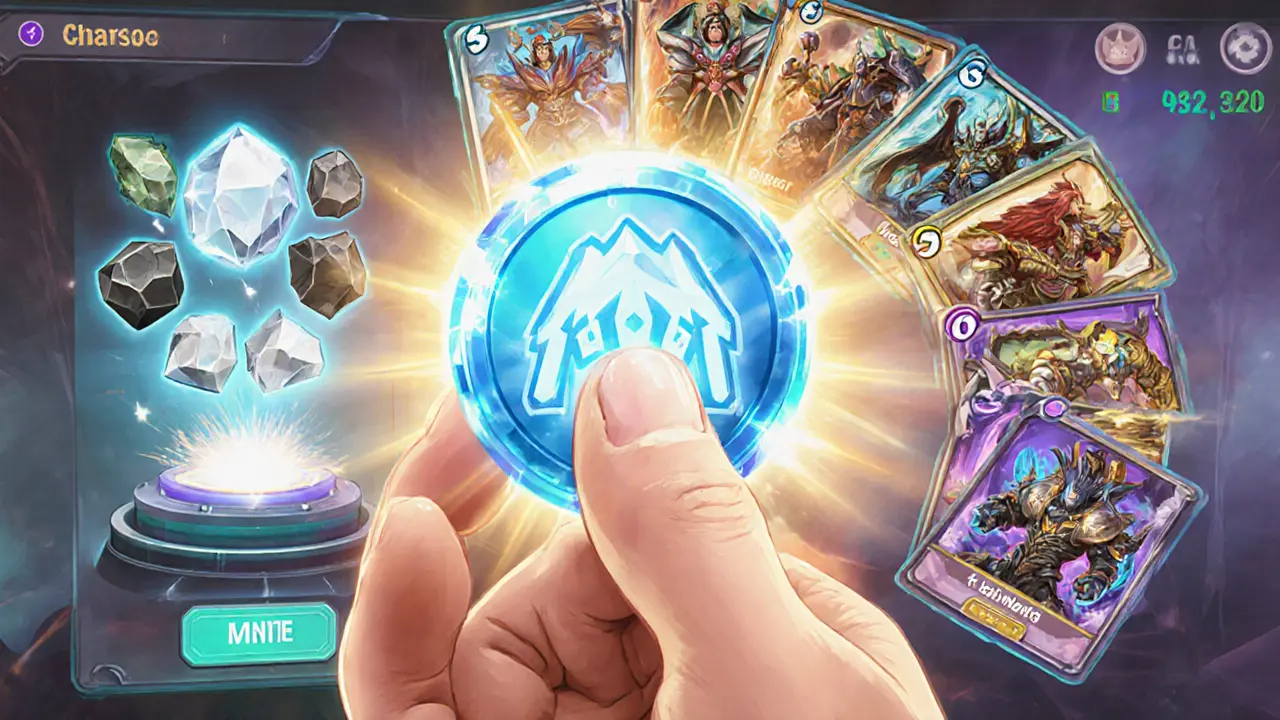
GameFi: The Fusion of Gaming and Finance
When diving into GameFi, the blend of gaming and decentralized finance that lets players earn crypto rewards while they play. Also known as Gaming Finance, it merges the excitement of video games with the profitability of crypto markets.
At its core, play-to-earn, a model where gamers receive tokenized rewards for in‑game actions drives the economy of GameFi. Those tokens are usually minted as NFTs, unique digital assets that represent items, characters or land in a virtual world. Because each NFT has a provable scarcity, players can buy, sell or trade them on a crypto exchange, a platform that matches buyers and sellers of crypto assets and often supports NFT listings. The flow is simple: you earn tokens, lock them into NFTs, then move them through an exchange to cash out or reinvest.
Why Airdrops Matter in GameFi
Many GameFi projects kick off with a crypto airdrop, a free distribution of tokens to early users or community members. Airdrops create instant liquidity, spark community buzz, and lower the barrier for newcomers who might be hesitant to spend their own money on a brand‑new game token. When an airdrop lands in a gamer’s wallet, it often fuels the first round of in‑game purchases, boosting the game’s internal economy and attracting more players.
GameFi also leans heavily on blockchain technology for transparency. The decentralised ledger records every token mint, NFT trade, and airdrop claim, making it easy to verify ownership and prevent fraud. This trust factor is why traditional gamers are increasingly comfortable swapping real money for in‑game crypto assets. As a result, the line between “playing for fun” and “investing for profit” keeps blurring.
From a developer’s perspective, building a GameFi title means juggling three main pillars: game design, tokenomics, and regulatory compliance. Tokenomics defines how many tokens are minted, how rewards are distributed, and what utility each token holds. Good tokenomics prevent hyper‑inflation—something many early GameFi projects struggled with. Meanwhile, regulators keep a close eye on token sales and airdrops, especially when they resemble securities. Understanding the legal landscape helps projects stay alive and keeps players’ assets safe.
For players, the practical workflow looks like this: sign up on a supported platform, link a crypto wallet, start earning tokens through gameplay, watch those tokens turn into NFTs, then head to a crypto exchange to trade or cash out. Each step involves a different skill set—gaming intuition, basic DeFi knowledge, and a bit of market awareness. That’s why many GameFi guides focus on teaching newcomers how to set up wallets, read tokenomics charts, and spot reputable exchanges.
In the collection below you’ll find deep dives on exchange reviews, airdrop mechanics, token case studies, and risk assessments—all curated for anyone who wants to get serious about GameFi. Whether you’re hunting for the next play‑to‑earn hit or trying to protect your NFT portfolio, these articles give you the tools you need to move from casual gamer to informed crypto‑savvy participant.
Discover what Legend of Arcadia's ARCA token is, how its GameFi economy works, current price, market outlook, and steps to start earning in this comprehensive guide.
Read More