
BitParax Exchange Review: Risks of an Unreachable Crypto Platform
A detailed review of BitParax Exchange, its shutdown, risks of unregulated crypto platforms, and how to choose a safe exchange.
Read MoreWhen dealing with exchange risk, the chance of losing money because of problems on a crypto exchange. Also known as platform risk, it shows up as security breaches, hidden fees, or outright scams. Understanding this risk starts with knowing the crypto exchange, the online venue where you trade digital assets. A secure exchange reduces the odds of theft, while a poorly regulated one can expose you to big losses.
First, exchange security, the set of technical and procedural safeguards protecting user funds is the biggest factor. If the platform stores private keys in hot wallets or skips multi‑factor authentication, hackers have a clear entry point. Second, exchange fees, the charges applied to deposits, withdrawals and trades can hide costly surprises. A low‑margin trader might think a fee is negligible, but over thousands of trades it can eat up profits. Third, the prevalence of exchange scams—like the AOFEX collapse or JPEX fraud—shows how quickly a seemingly trustworthy platform can turn into a loss‑making trap.
Why does regulatory compliance matter? When a jurisdiction forces an exchange to verify users, enforce AML rules and keep transparent records, the platform is less likely to disappear overnight. The dYdX example illustrates that even a “decentralized” exchange may block users from certain regions to stay within legal boundaries. This compliance layer directly reduces exchange risk by limiting illicit activity and providing recourse if things go wrong.
Another hidden driver is liquidity. Low‑volume exchanges can experience slippage, meaning you might get a worse price than expected. Slippage is a form of operational risk that compounds fee risk and can turn a small trade into a disproportionate loss. Look at the MorCrypto review: its fee structure is competitive, but limited liquidity makes large orders risky.
Due diligence is the practical antidote to all these risk sources. Start by checking the exchange’s licensing status, read independent security audits, and compare fee tables side by side. Ask yourself: Does the platform offer cold‑storage for the majority of assets? Does it have insurance or a clear compensation policy? These questions map directly to the three risk pillars—security, fees, and regulatory standing.
Finally, risk management isn’t a one‑time checklist; it’s an ongoing habit. Set alerts for sudden fee changes, monitor news for signs of insolvency, and keep a portion of your holdings in a personal wallet you control. By diversifying across multiple reputable exchanges, you spread the risk and avoid putting all eggs in one basket.
Below you’ll find a curated list of articles that dive deeper into each of these points—from detailed exchange reviews to real‑world scam case studies. Use them to sharpen your risk radar and make smarter, safer trading decisions.
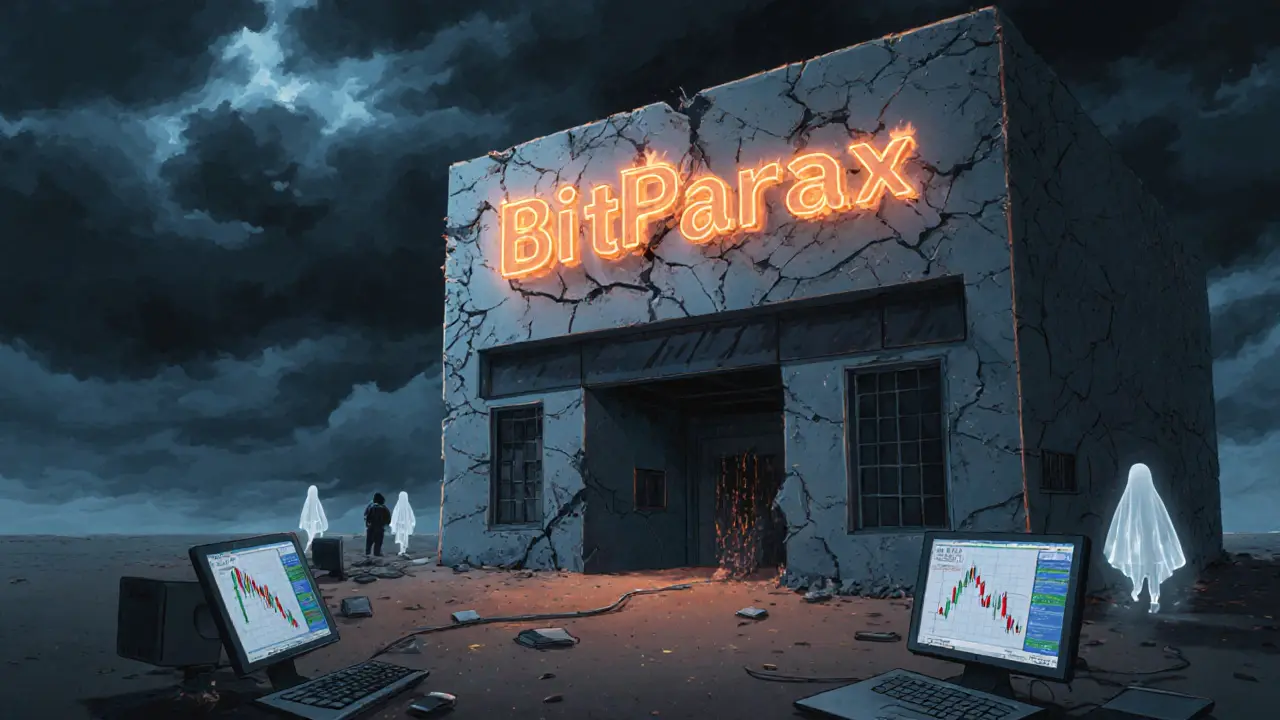
A detailed review of BitParax Exchange, its shutdown, risks of unregulated crypto platforms, and how to choose a safe exchange.
Read More