ERC-20 Token Standard Overview
When working with ERC-20, a standardized token protocol on the Ethereum blockchain. Also known as ERC20, it defines how tokens are created, transferred, and read by other applications. This framework lets developers build interoperable assets without reinventing the wheel. Ethereum, the open‑source blockchain that hosts ERC-20 contracts provides the shared ledger, while smart contracts, self‑executing code that enforces token rules enforce the ERC‑20 logic automatically. Together they enable anyone to launch a token in minutes, fueling everything from utility coins to stablecoins.
Why ERC-20 matters for DeFi and Airdrops
DeFi platforms rely on ERC‑20 tokens to represent assets, issue liquidity shares, or manage governance. For example, a decentralized exchange can list dozens of tokens because each follows the same interface – a classic case of the “one standard, many uses” principle. This uniformity also simplifies ERC-20 airdrop campaigns: project teams can snapshot wallets, verify balances, and distribute new tokens without writing custom code for each holder. Recent airdrops highlighted on Trading Living often target ERC-20 holders because the token list is easy to verify through blockchain explorers, reducing fraud and ensuring fair distribution.
Beyond finance, ERC‑20 tokens serve as building blocks for NFTs, gaming assets, and even voting mechanisms. When a game token adopts the ERC‑20 standard, it can be traded on major exchanges, staking platforms, or used as collateral in lending protocols. This cross‑compatibility expands a token’s utility beyond its original ecosystem, driving network effects that boost liquidity and user adoption. Likewise, tokenomics designs—like fixed supply, burn rates, or reflection fees—are implemented inside the smart contract, giving creators full control over economic incentives while staying compliant with the ERC‑20 ruleset.
Security is another cornerstone. Because ERC‑20 contracts are public, they undergo community audits and automated analysis tools. Vulnerabilities discovered in one token often lead to patches that benefit the whole ecosystem, creating a shared security model. Moreover, major exchanges and wallet providers have built native support for ERC‑20, meaning users can store, swap, and manage tokens with familiar interfaces. This reduces friction for newcomers and ensures that the token can reach a broader audience quickly.
In the coming months, expect more innovations that extend ERC‑20’s reach—layer‑2 scaling solutions, cross‑chain bridges, and advanced governance frameworks are already in testing. As the standard evolves, it continues to underpin the rapid growth of crypto markets, making it essential knowledge for traders, developers, and anyone interested in the future of digital assets. Below you’ll find a curated list of articles that dive deeper into ERC‑20 token reviews, airdrop guides, exchange analyses, and real‑world use cases, giving you actionable insights to navigate this dynamic space.
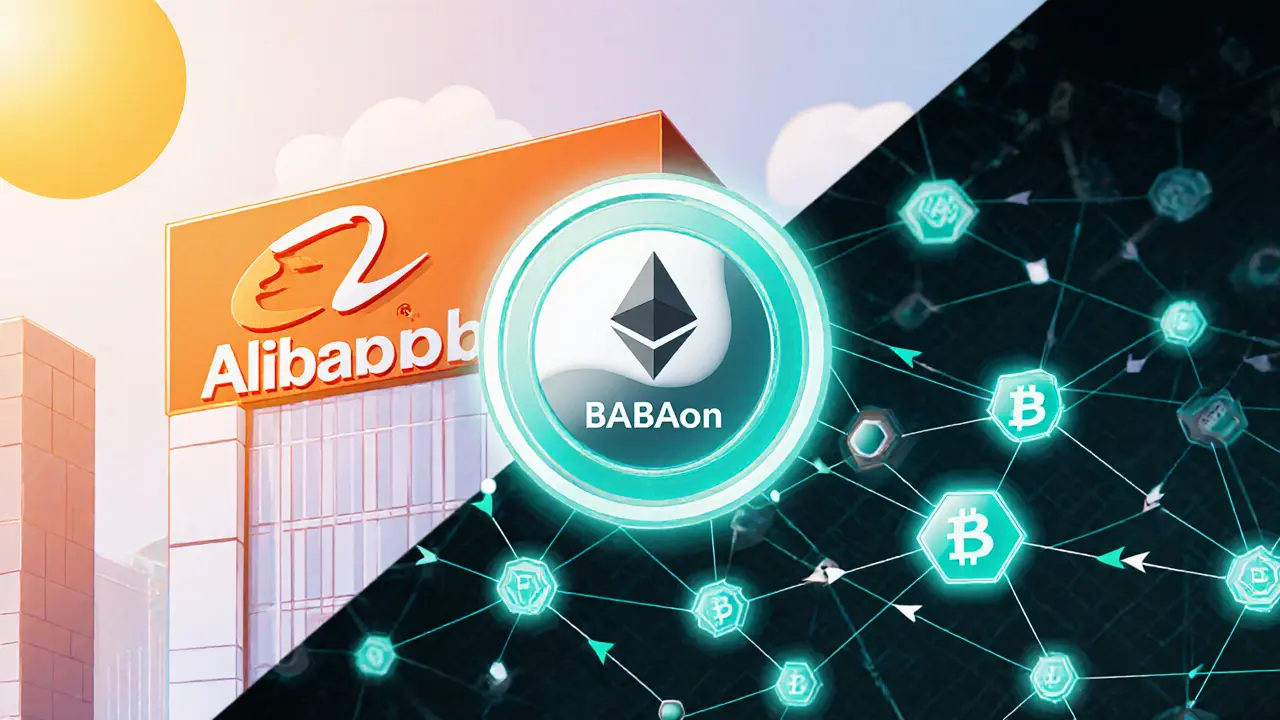
Learn what Alibaba Tokenized Stock (BABAon) is, how it works on Ethereum, how to buy and trade it, and the risks and regulatory backdrop behind this crypto‑backed Alibaba share.
Read More