
Dego Finance (DEGO) Explained: How the Crypto Coin Works
Discover what Dego Finance (DEGO) is, its tokenomics, core modules, market data, and how to use the crypto coin in DeFi and NFT applications.
Read MoreWhen working with DEGO token, a DeFi utility token built on Ethereum that powers the Dego ecosystem. Also known as DEGO, it enables staking, governance, and access to blockchain gaming assets. DeFi, decentralized finance that lets users earn yield without traditional banks provides the framework for DEGO’s staking rewards, while cryptocurrency exchange, platforms where users can buy, sell, and trade digital assets gives the token its market liquidity. Occasionally, the community receives a airdrop, a free distribution of tokens to eligible wallets that boosts participation and spreads awareness. Together, these pieces form a simple but powerful ecosystem.
The core of DEGO’s value lies in its tokenomics. The supply is capped at 1 billion tokens, with a portion allocated to liquidity pools, a treasury for development, and a rewards pool that fuels staking yields. Stakers lock DEGO in smart contracts and earn additional tokens, a process that directly ties token demand to network activity. This staking‑required model DEGO token uses to incentivize long‑term holding, reducing short‑term volatility often seen in speculative assets. Governance rights also let holders vote on roadmap decisions, meaning the community shapes future upgrades, new gaming partnerships, and cross‑chain expansions.
Beyond finance, DEGO serves as the currency for several blockchain games and NFT platforms. Developers embed DEGO in in‑game economies, allowing players to purchase skins, items, or unlock special quests. This gaming tie‑in creates a real‑world utility loop: active gamers acquire DEGO, stake it for rewards, and may sell excess tokens on an exchange. When a new game launches, the project often runs an airdrop to early supporters, distributing a modest amount of DEGO to seed the ecosystem and attract liquidity.
From a trader’s perspective, DEGO’s presence on major exchanges means price discovery follows classic market dynamics. Futures markets, margin trading tools, and arbitrage opportunities all influence spot prices, as seen in many of our other articles. Understanding how these mechanisms interact with a utility token like DEGO helps investors spot entry points and manage risk. For example, a surge in a gaming partnership can trigger higher trading volume on exchanges, while a poorly received airdrop may cause short‑term sell pressure.
In short, DEGO token sits at the intersection of DeFi finance, gaming utility, and exchange liquidity. It requires staking to unlock rewards, relies on community governance for direction, and often expands its reach through targeted airdrops. Below you’ll find a curated set of articles that break down futures market impact, exchange reviews, airdrop strategies, and more—all with DEGO’s ecosystem in mind. Dive in to see how each piece fits into the bigger picture.
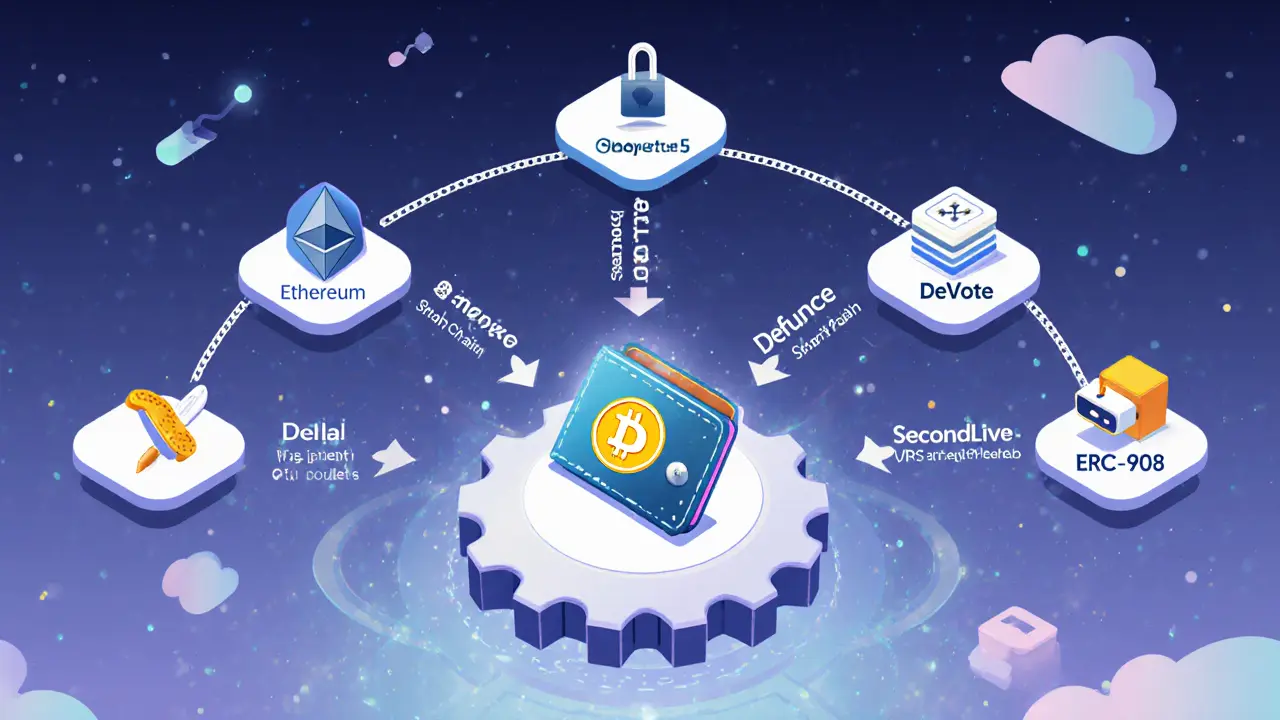
Discover what Dego Finance (DEGO) is, its tokenomics, core modules, market data, and how to use the crypto coin in DeFi and NFT applications.
Read More