
NAVI Protocol (NAVX) Explained: How the Sui‑Based DeFi Coin Works
Learn what NAVI Protocol (NAVX) is, how its DeFi lending and liquid staking work on Sui, tokenomics, backing investors, and how to safely acquire and use the coin.
Read MoreDeFi lending brings borrowing and earning to anyone with crypto. When working with DeFi lending, a protocol that lets users lend and borrow assets directly on-chain. Also known as decentralized lending, it relies on liquidity pools, a collection of deposited assets that lenders supply to earn interest, and requires collateral tokens, the crypto you lock up to secure a loan. The returns you see often come from yield farming, a strategy that moves capital across pools for higher rates, all orchestrated by smart contracts, self‑executing code that enforces loan terms without human intervention. In simple terms, DeFi lending encompasses liquidity pools, requires collateral tokens, and uses smart contracts to automate the process.
Liquidity pools act like communal vaults. Lenders deposit stablecoins or popular tokens, and borrowers draw from the pool by posting over‑collateralized assets. The pool’s size determines how much capital is available and directly influences the interest rate – bigger pools usually mean lower rates because supply outstrips demand. Platforms such as Aave and Compound publish real‑time pool metrics, letting users see depth, utilization, and APY at a glance.
Collateral tokens are the safety net. Most protocols demand a collateral‑to‑debt ratio of 150% or higher, meaning you must lock up $1.50 worth of crypto for every $1 you borrow. This over‑collateralization protects lenders from sudden price drops. Some systems accept multiple token types, from Bitcoin‑wrapped assets to NFT‑backed stakes, expanding access while adding layers of risk assessment.
Yield farming is the engine that pushes rates up. By moving deposits between pools with the best returns, users can compound interest far beyond the base lending rate. Yield farmers often earn additional platform tokens as incentives, turning a simple loan into a multi‑reward strategy. However, chasing higher yields can expose you to impermanent loss and smart‑contract bugs, so understanding the underlying economics is crucial.
Smart contracts are the glue that binds everything. Once a borrower initiates a loan, the contract locks the collateral, calculates interest, and sets repayment terms. If the collateral value falls below a safety threshold, the contract automatically liquidates the position to protect lenders. Audits by firms like OpenZeppelin and ConsenSys provide some confidence, but no code is truly risk‑free. Integrating price oracles helps contracts stay updated on market movements, yet oracle manipulation remains a known attack vector.
Putting it all together, a typical DeFi lending journey looks like this: you supply assets to a liquidity pool, earn baseline interest, and optionally farm higher yields by shifting capital. When you need a loan, you lock collateral tokens, receive a stablecoin, and the smart contract handles repayments and possible liquidation. This cycle repeats across dozens of platforms, each tweaking parameters to attract lenders or borrowers.
Below you’ll find a curated set of articles that dive deeper into the tools, platforms, and real‑world examples shaping DeFi lending today. From exchange reviews that affect how you move assets into and out of lending protocols, to airdrop alerts that can boost your returns, the collection gives you actionable insight to navigate the decentralized credit market with confidence.
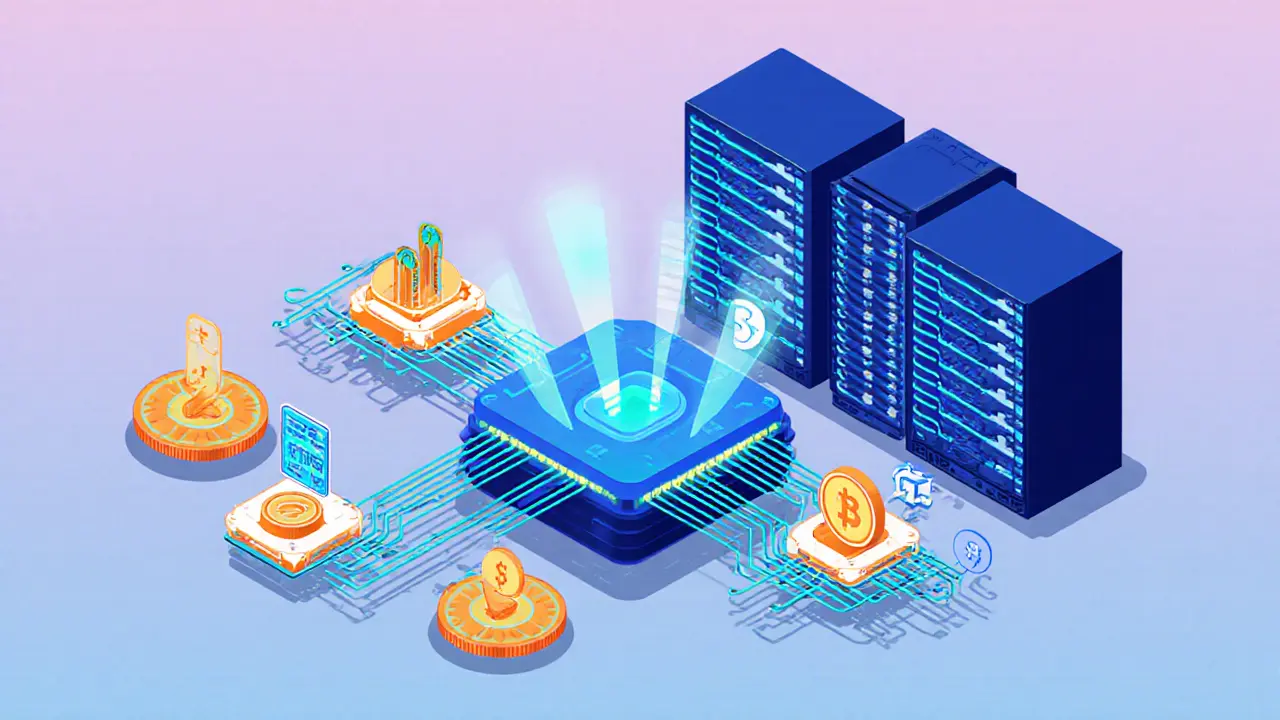
Learn what NAVI Protocol (NAVX) is, how its DeFi lending and liquid staking work on Sui, tokenomics, backing investors, and how to safely acquire and use the coin.
Read More