
Cyprus Crypto Banking Rules 2025: What You Need to Know
Explore Cyprus' crypto banking restrictions: key regulations, compliance steps, and future outlook for banks and crypto firms in 2025.
Read MoreWhen navigating Cyprus crypto banking, the practice of offering banking services for digital currencies within Cyprus' legal framework. Also known as Cyprus digital asset banking, it bridges traditional finance and blockchain.
Crypto banking is a broader concept that covers any bank‑provided services for cryptocurrencies – from custodial wallets to fiat‑to‑crypto payment rails. In Cyprus, this concept is shaped by local law, EU directives, and the island’s reputation as a financial hub. The result is a niche where banks can offer crypto‑friendly accounts while staying within compliance limits.
One of the biggest anchors for Cyprus crypto banking is the country's financial services sector. The sector includes licensed banks, payment institutions, and fintech firms that have been granted permission to handle digital assets. These entities often need to prove solid capital buffers, robust risk‑management frameworks, and transparent governance before they can open crypto‑related product lines.
Compliance isn’t optional – it’s the engine that keeps the system running. The anti‑money laundering (AML) framework in Cyprus aligns with EU’s Fifth Anti‑Money Laundering Directive. That means any crypto‑banking service must run customer‑due‑diligence checks, monitor transactions for suspicious patterns, and report anything unusual to the EFSA. In practice, this AML requirement pushes banks to adopt blockchain analytics tools and real‑time monitoring solutions.
Because of these rules, crypto exchanges looking to partner with Cyprus banks must meet strict licensing standards. A compliant exchange can benefit from faster fiat settlement, lower fees, and a reputable banking relationship. Conversely, banks that ignore AML duties risk hefty fines or revocation of their license, which would cripple the nascent crypto‑banking scene.
The interaction between regulation and innovation creates a feedback loop: tighter AML standards encourage better technology, and improved tech makes compliance easier. That loop is why you’ll see a growing number of Cyprus‑based banks offering sandbox environments for crypto startups to test their products under regulator supervision.
Looking at the bigger picture, Cyprus crypto banking influences the European crypto ecosystem. By providing a tested model for banking‑crypto integration, the island helps shape EU‑wide discussions on stablecoin regulation, central bank digital currencies, and cross‑border crypto payments. In short, what happens in Cyprus often ripples across the continent.
For traders and investors, this environment translates into practical benefits: access to bank‑grade custody, smoother fiat on‑ramps, and clearer tax reporting pathways. It also means you need to stay aware of each bank’s compliance stance, as that determines which services are available and how quickly you can move funds.
Below you’ll find a curated collection of articles that break down the legal details, compare crypto‑friendly banks, explain how AML tools work, and show real‑world use cases. Whether you’re a seasoned crypto professional or just curious about how banks are embracing digital assets in Cyprus, the posts ahead will give you actionable insights and a solid grounding in this fast‑evolving space.
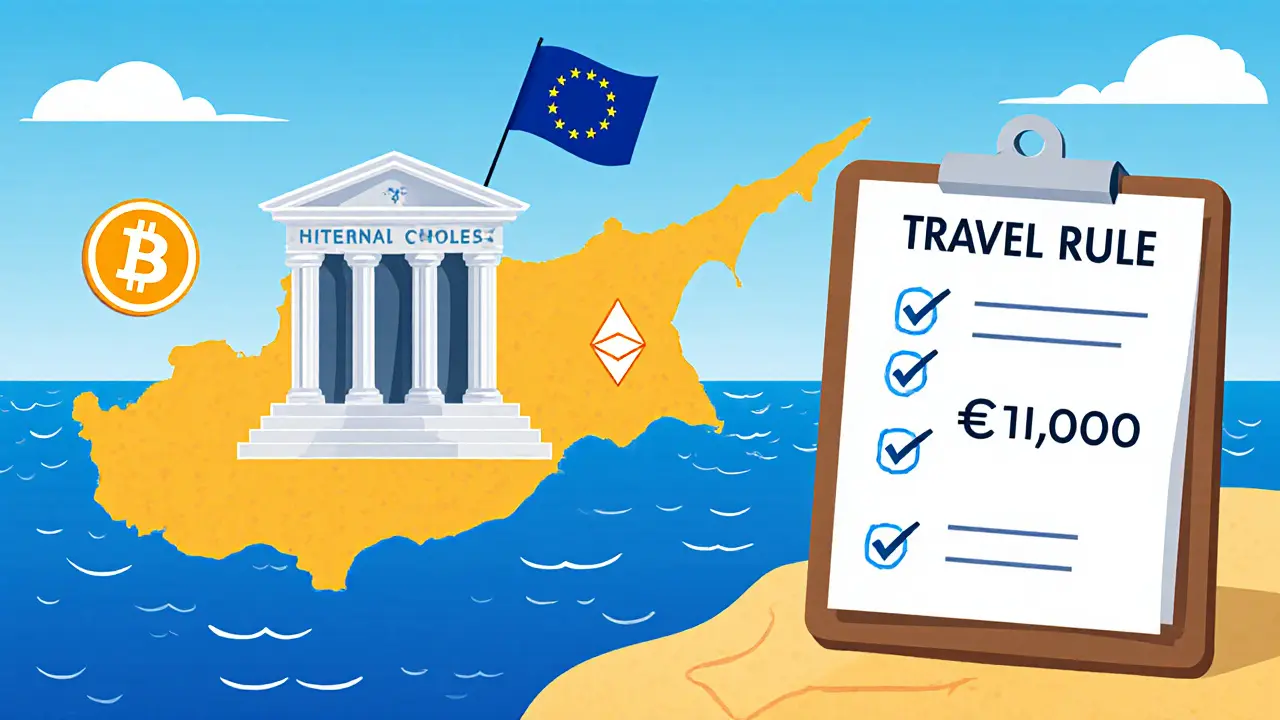
Explore Cyprus' crypto banking restrictions: key regulations, compliance steps, and future outlook for banks and crypto firms in 2025.
Read More