
Cyprus Crypto Banking Rules 2025: What You Need to Know
Explore Cyprus' crypto banking restrictions: key regulations, compliance steps, and future outlook for banks and crypto firms in 2025.
Read MoreWhen dealing with Cyprus banking regulations, the set of rules that govern how banks operate, what services they can offer, and how they must handle customers’ money in Cyprus. Also known as Cyprus banking law, it shapes everything from loan approvals to crypto‑related transactions.
These rules intersect with crypto exchange licensing, the process by which a digital‑asset platform obtains a bank‑level licence to operate in Cyprus, and with AML compliance, mandatory procedures to prevent money‑laundering and terrorist financing. The broader framework is guided by EU banking directives, EU‑wide standards that Cyprus must adopt, such as PSD2 and the Fifth Anti‑Money‑Laundering Directive. Finally, financial services tax, the tax treatment of banking fees and crypto‑related earnings determines the bottom‑line for traders.
Entity: Cyprus banking regulations.
Attributes: governing authority (Central Bank of Cyprus), jurisdiction (Cyprus and EU), scope (traditional banking, crypto‑related services).
Values: enforced by the Cyprus Securities and Exchange Commission, aligns with EU Directives, requires reporting of suspicious transactions. This Entity‑Attribute‑Value trio shows why a solid grasp of the regulations is a prerequisite for any crypto business.
Entity: crypto exchange licensing.
Attributes: license type (Exchange Licence), required capital (€100,000 minimum), oversight body (Central Bank of Cyprus).
Values: yearly audits, AML officer appointment, real‑time transaction monitoring. The licensing process requires AML compliance, illustrating the semantic triple: "Crypto exchange licensing requires AML compliance."
Entity: AML compliance.
Attributes: customer‑due‑diligence (CDD), enhanced‑due‑diligence (EDD), reporting obligations.
Values: KYC verification, transaction threshold alerts, filing of Suspicious Activity Reports (SARs). This entity directly influences both banking regulations and exchange licensing, creating the triple: "AML compliance influences Cyprus banking regulations."
Understanding these connections helps you avoid costly missteps. For instance, a crypto platform that skips the AML officer role may face fines from the Central Bank and could lose its licence under the Fifth AML Directive. Similarly, ignoring EU banking directives can lead to cross‑border restrictions, limiting access to European customers.
Recent updates in 2024 introduced tighter reporting thresholds and a new digital‑asset tax code that treats crypto‑derived income as ordinary income for individuals. Traders should therefore keep records of every transaction, adjust their tax filings, and review their exchange’s licence status quarterly. Staying ahead of these changes not only protects you from penalties but also builds credibility with banks that are increasingly cautious about crypto exposure.
Now that you see how Cyprus banking regulations intertwine with licensing, AML rules, EU directives, and tax, the articles below will dive deeper into each area. You’ll find detailed guides on compliance steps, real‑world case studies, and actionable tips to keep your crypto activities smooth and lawful in Cyprus.
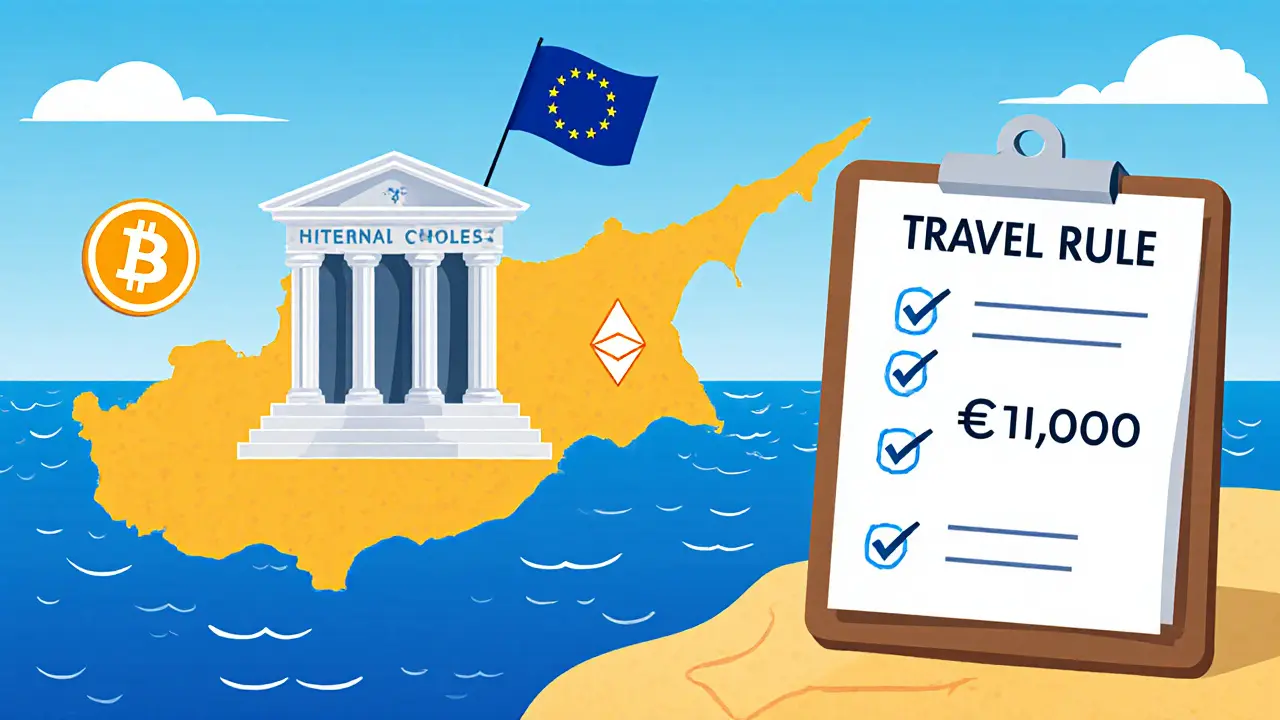
Explore Cyprus' crypto banking restrictions: key regulations, compliance steps, and future outlook for banks and crypto firms in 2025.
Read More